If you've ever opened your wardrobe to a musty smell, or found a white fuzzy bloom on a jacket you haven't worn in months, it's not bad luck — it's physics. Singapore's climate makes wardrobes one of the highest-risk spaces in the entire home for mould, and most of the usual fixes (silica gel packets, the occasional open-door airing) aren't built for the humidity levels we actually deal with here.
Why Singapore closets are a mould's ideal home
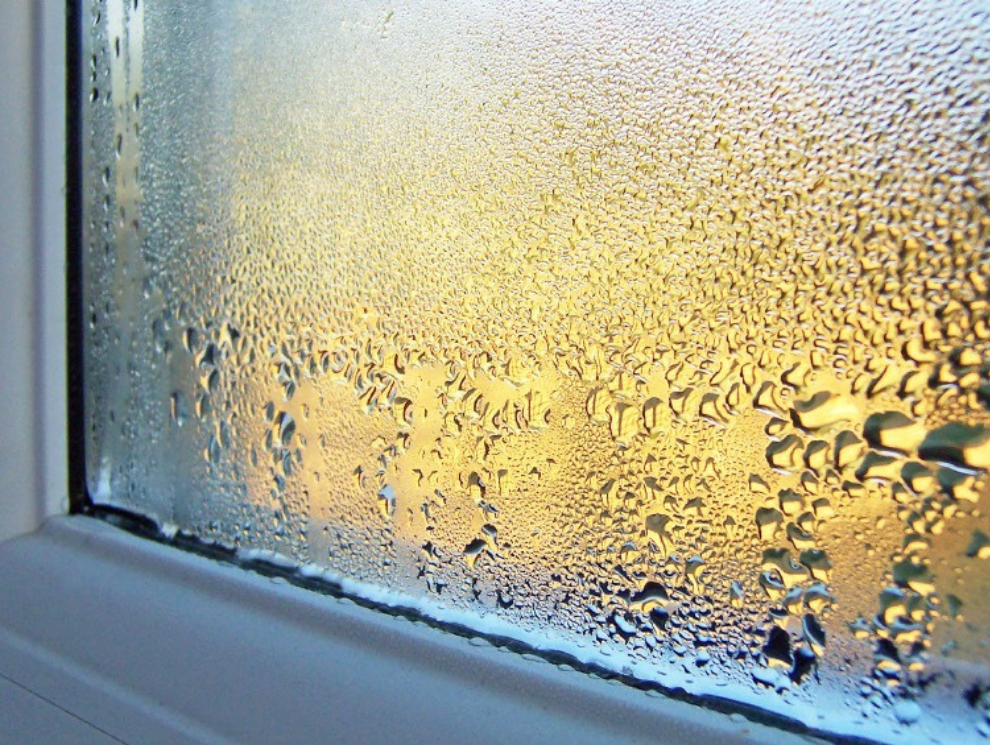
Singapore's average relative humidity sits around 82–84% year-round, and NEA data shows mornings commonly exceeding 90%, with rainy periods pushing close to 100%. Mould needs three things to establish itself: moisture, warmth, and still air — and a closed wardrobe delivers all three at once. It's dark, poorly ventilated, and packed with organic material (cotton, leather, wood) that mould actively feeds on. Once relative humidity inside an enclosed space crosses roughly 65–70% and stays there, mould-favourable conditions are already in place — and Singapore's ambient humidity clears that threshold on an ordinary day, before you've even accounted for a wardrobe's lack of airflow trapping it further.
This is why wardrobe mould in Singapore isn't a seasonal problem the way it might be elsewhere — it's a near-constant risk, worse during the Northeast Monsoon (roughly November to January) but never fully absent even in drier stretches.
What actually happens to your clothes
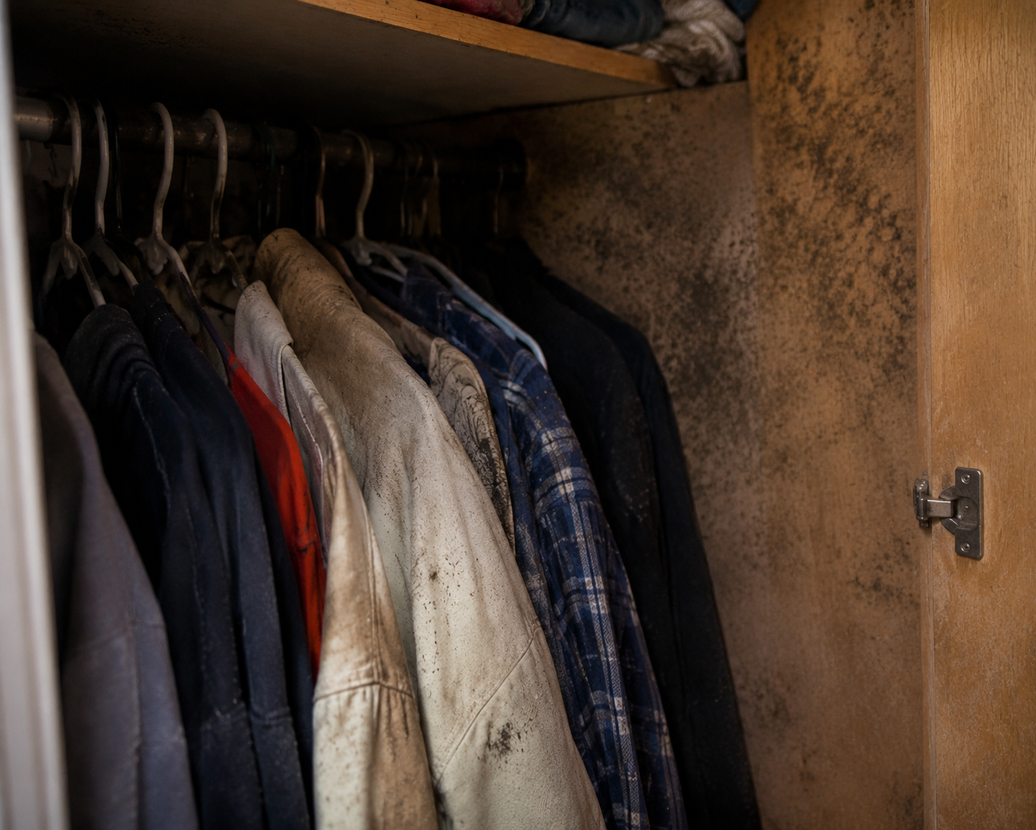
- Mould and mildew appear as white, grey, or black spotting, often starting in fabric folds or seams where air circulation is weakest.
- Musty odour sets in even before visible mould does — it's usually the first sign that humidity inside the wardrobe has been elevated for a while.
- Fabric degradation follows longer exposure — natural fibres like cotton, silk, and leather weaken and discolour under sustained damp conditions.
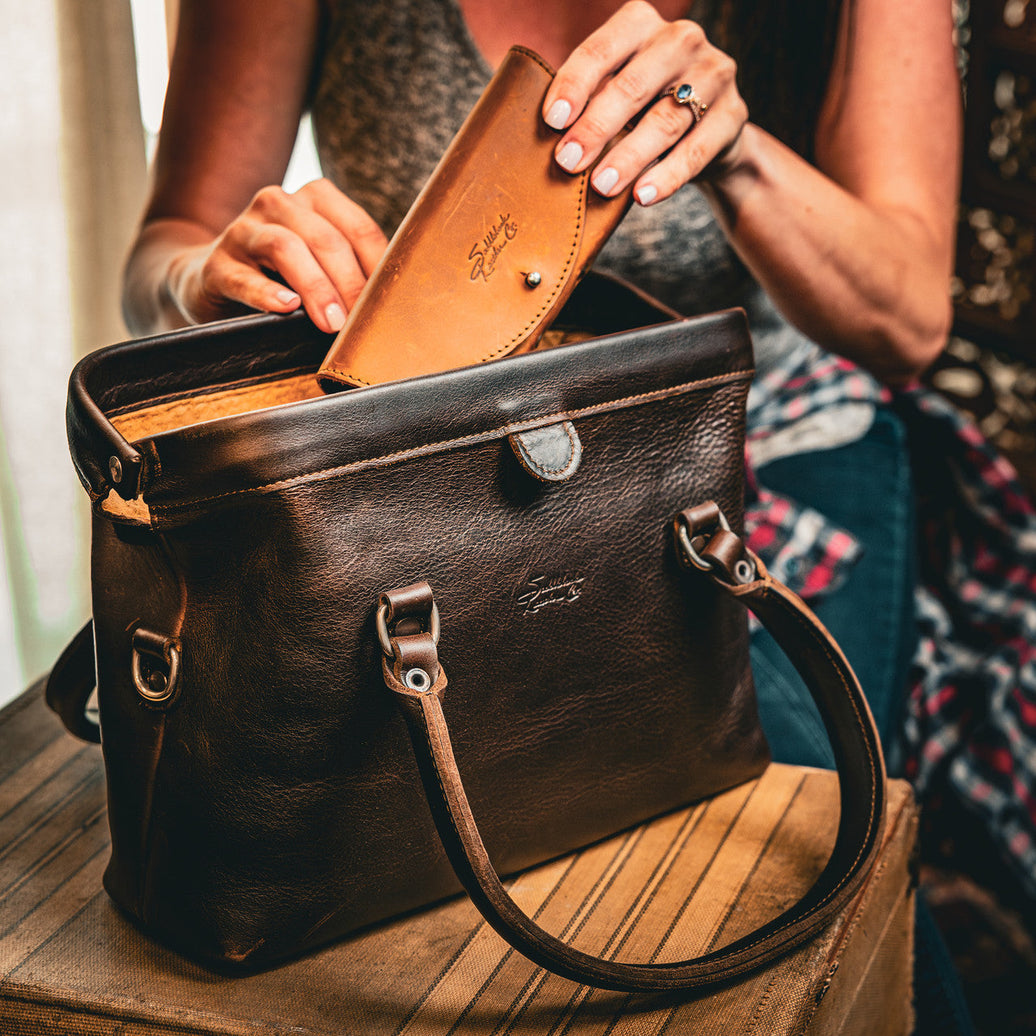
- Leather and suede are especially vulnerable, since mould can etch into the material's surface in a way that's difficult or impossible to fully reverse, rather than just sitting on top of it.
The usual fixes fall short in Singapore specifically
Silica gel packets and charcoal bags work by passively absorbing ambient moisture, and they're genuinely useful for a small, enclosed space like a shoebox or a drawer. The problem is capacity: they saturate quickly in Singapore's humidity and need constant replacement to keep doing anything, which most households simply don't keep up with. Leaving wardrobe doors open to air things out helps in theory, but in practice it just invites Singapore's already-humid ambient air straight into the space you're trying to protect — it doesn't remove moisture, it just exchanges damp air for slightly-less-damp air.
What actually solves the problem is active humidity control inside the wardrobe itself — removing moisture continuously, rather than passively absorbing whatever happens to already be there.
A closet dehumidifier built for exactly this problem
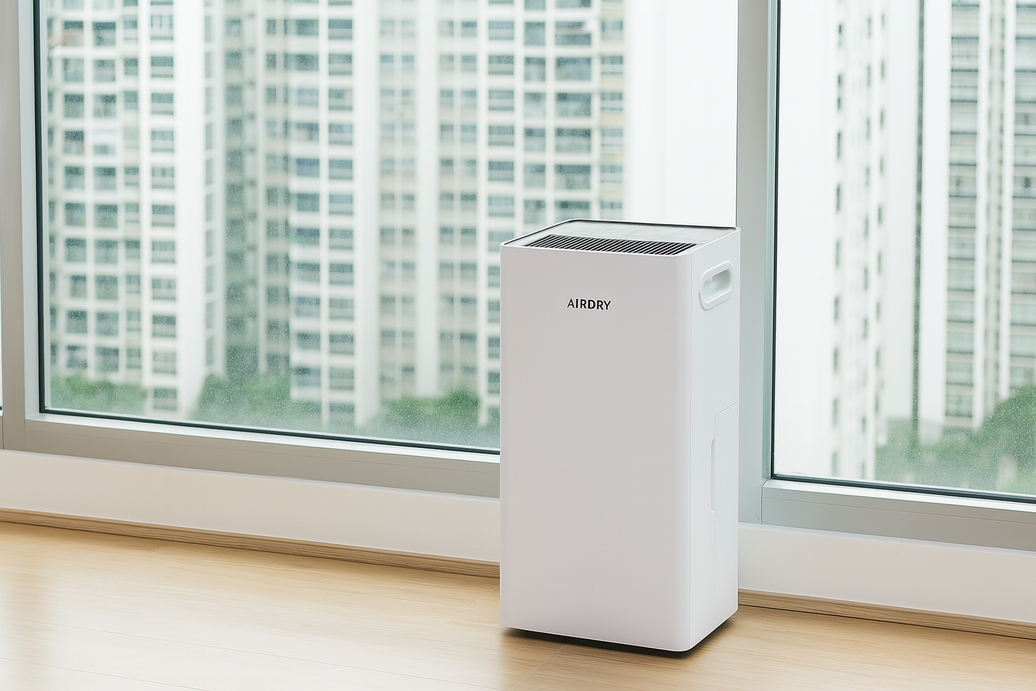
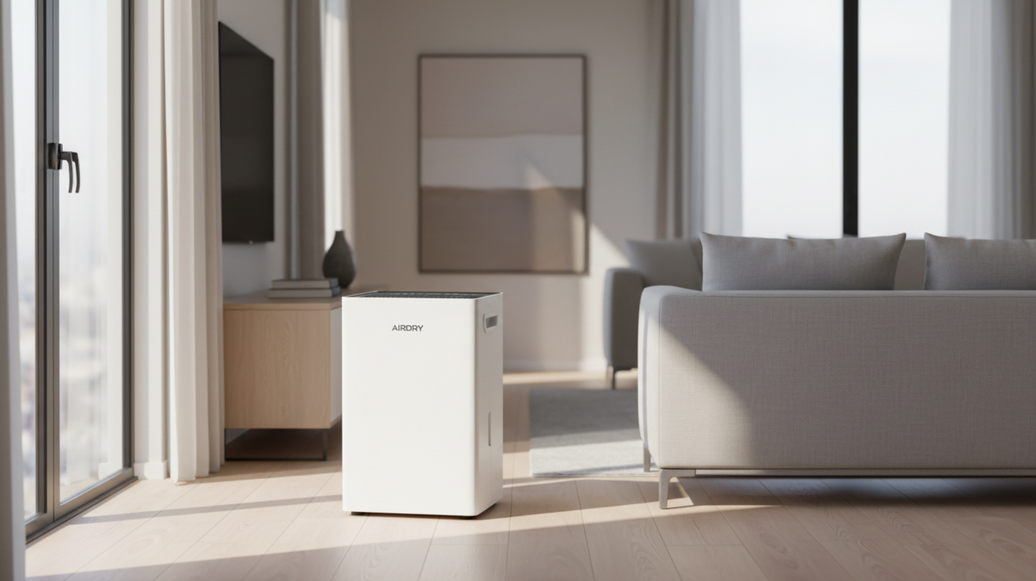
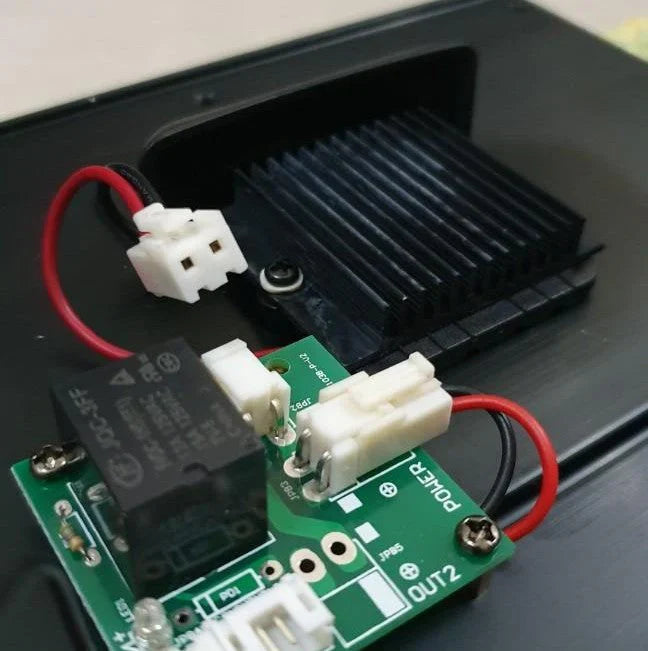
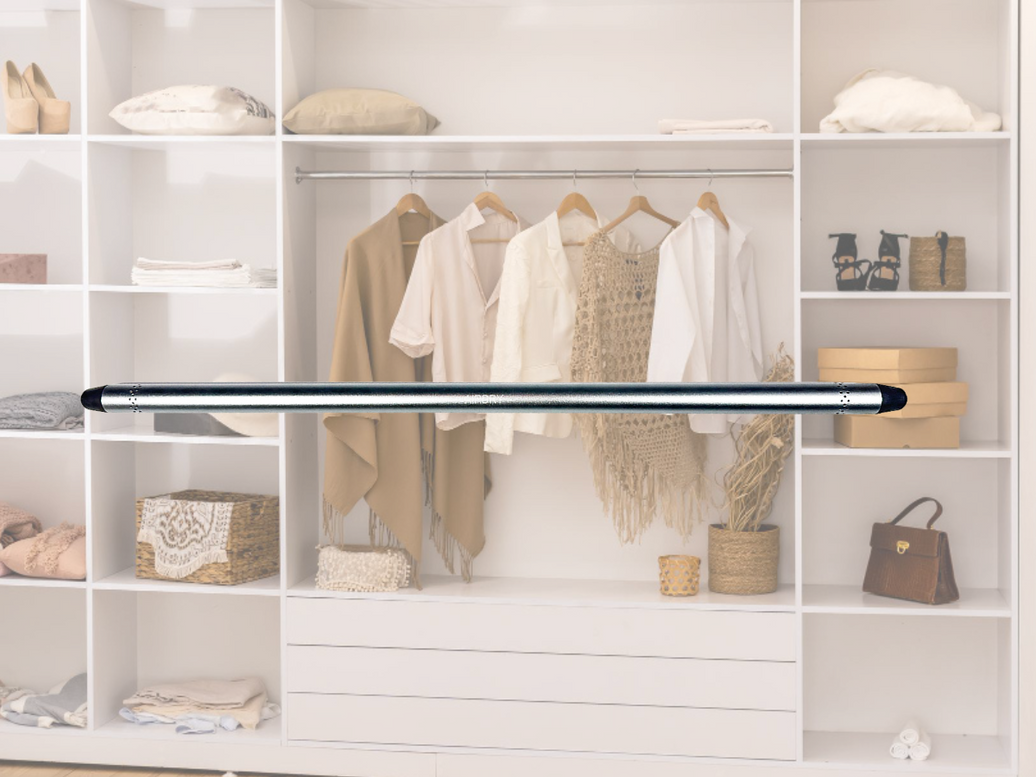
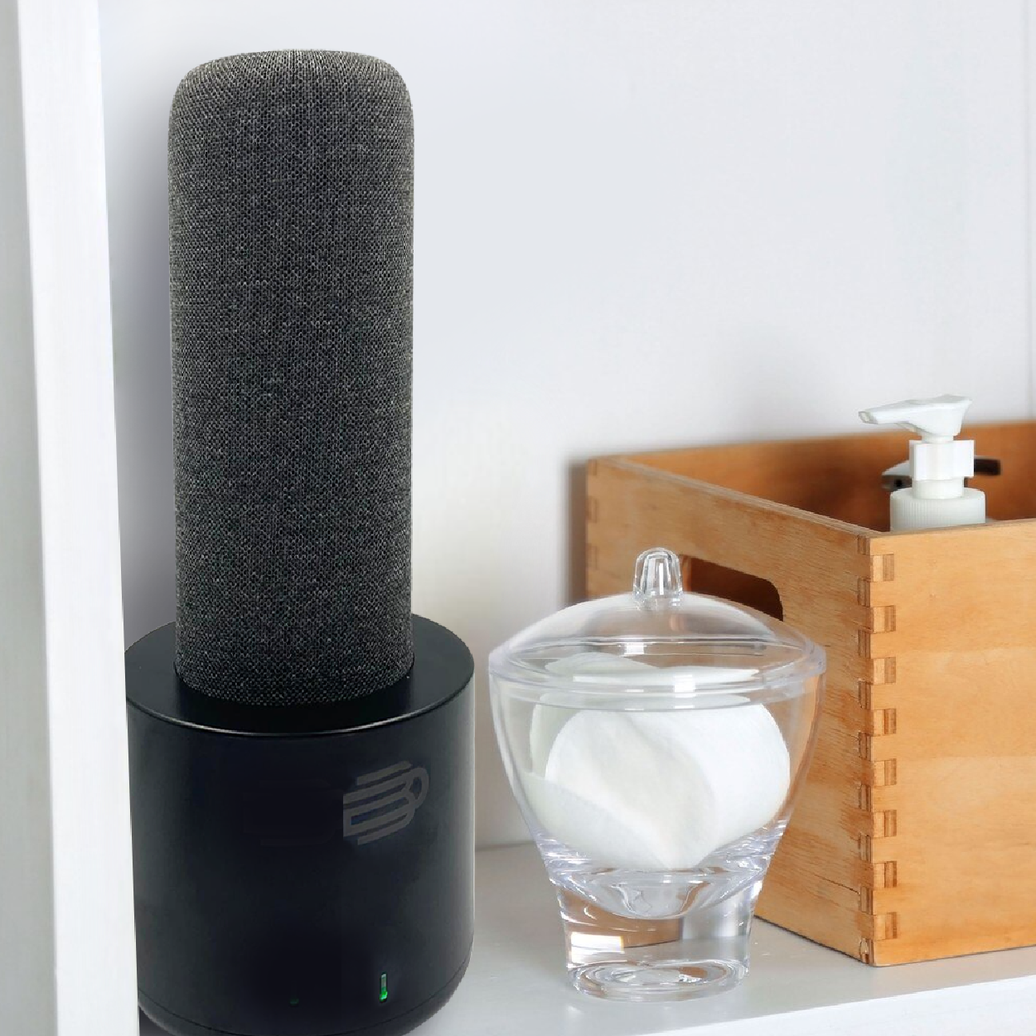
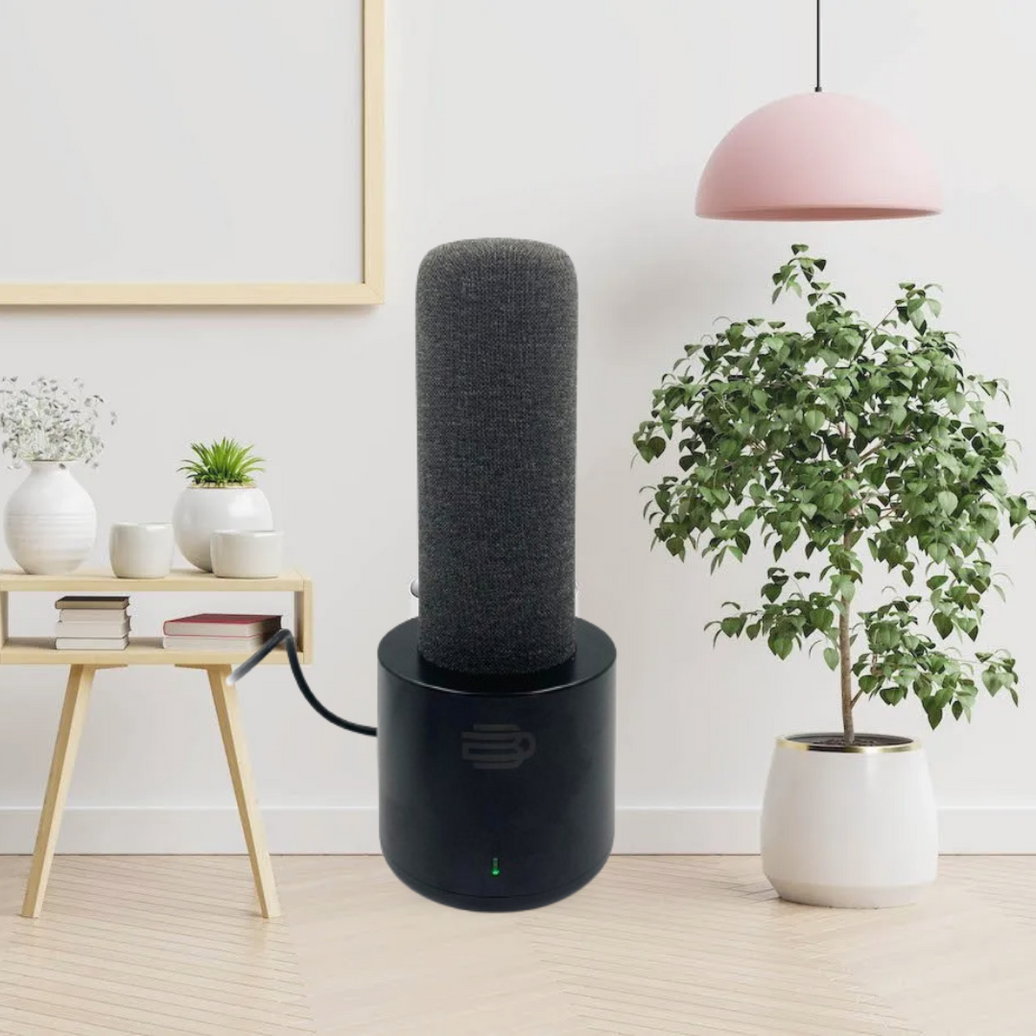
The AIRDRY Closet Dehumidifier with Built-in HygroGuard (3-in-1) is designed to sit directly inside a wardrobe, drawer, or shoe cabinet and run continuously rather than needing to be refreshed or replaced like a moisture-absorbing sachet:
- Removes 50–200ml of moisture per day, actively drawing humidity out of the enclosed space rather than passively soaking it up.
- 99% sterilisation rate via UV light, ozone, and negative ion output — targeting the mould and bacteria already present, not just preventing new growth.
- Bidirectional airflow (cool air on one side, warm air on the other) circulates evenly through the cabinet rather than leaving pockets of stagnant, humid air in corners.
- Silent operation, so it runs continuously — including overnight — without disrupting the room it's in.
- Chemical-free, making it safe for delicate fabrics, silk, and baby clothing.
- Slim, low-profile design that hangs or sits flat in almost any wardrobe, drawer, or cabinet without taking up storage space.
- Rechargeable and low-maintenance, keeping ongoing running costs down compared to constantly replacing disposable absorbers.
How to properly store clothes in Singapore's climate
A closet dehumidifier does most of the heavy lifting, but a few habits make it more effective and prevent problems in the gaps:
- Don't overpack your wardrobe. Airflow between garments matters as much as airflow into the wardrobe — a tightly packed rail traps humid air against every piece of clothing rather than letting it circulate.
- Let clothes dry completely before storing them. Even slightly damp laundry, or clothes brought in straight from a humid day outside, adds moisture directly into the wardrobe rather than the air taking care of it.
- Store leather and suede separately from fabric where possible, or at minimum keep them away from the most enclosed, least-ventilated section of the wardrobe — they're the first materials to show mould damage.
- Check corners and seams periodically, especially after the Northeast Monsoon months, since early mould growth often starts small and out of sight before it's noticeable on the front of a garment.
- Keep the wardrobe itself ventilated where the design allows it — louvred doors or small gaps help, though in Singapore's humidity this alone isn't enough without active moisture removal as well.
The bottom line
Passive solutions like silica gel work in low-humidity climates, but Singapore's year-round humidity levels are consistently above the threshold where they can keep up. An active closet dehumidifier addresses the actual cause — moisture accumulating faster than a passive absorber can handle — rather than the symptoms, and it's a genuinely low-effort fix once it's in place: install it, and it runs continuously without further attention.
- AIRDRY Closet Dehumidifier with Built-in HygroGuard (3-in-1) — available in White or Black
- How to identify, clean and prevent mould on handbags — for leather goods specifically, alongside your wardrobe
This article is for general guidance. If you're dealing with an active, widespread mould infestation rather than routine prevention, a professional mould remediation service may be needed alongside any humidity control device.