Last updated: 23 August 2026
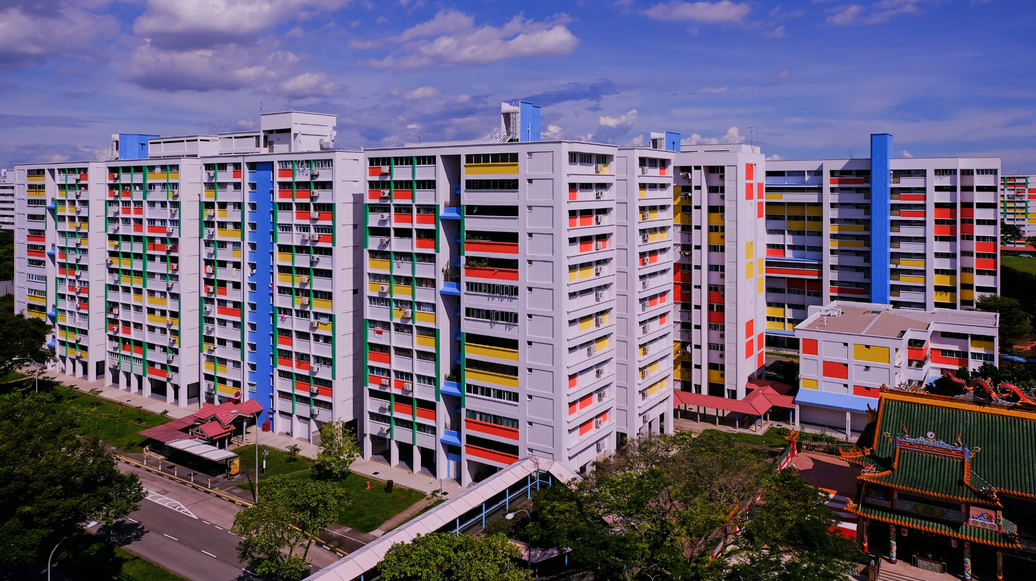
Singapore is entering the two months regional experts have flagged as the riskiest of the year for haze. The Singapore Institute of International Affairs (SIIA) issued a rare "Red" alert for 2026, only the second time it has done so since it started publishing yearly outlooks in 2019 — and it's named August and September as the "peak danger period."
Here's a plain-English rundown of where things stand right now, what to watch for, and what you can actually do at home to keep the air you're breathing indoors in good shape.
The current situation (as of late August 2026)
The 24-hour Pollutant Standards Index (PSI) has been sitting mostly in the "moderate" band (51–100) through August, with readings around 70–90 in the Central region on recent days. That's not yet the "unhealthy" territory (above 100) that triggers daily haze advisories — but it's noticeably elevated, and NEA's Haze Task Force, a 28-agency body, has already said it's on standby to activate action plans if the PSI crosses 100.
A few things are driving the risk this year:
- El Niño is back, and it may be a strong one. Warmer, drier conditions across the region make it easier for land and forest fires in Sumatra and Kalimantan to start and spread.
- A possible positive Indian Ocean Dipole could compound the dry spell and stretch it into October.
- Dry weather has already pushed up hotspot activity in Sumatra and Kalimantan, and prevailing southeasterly winds can carry that smoke straight toward Singapore.
- Major outdoor events this season — including the Formula 1 Singapore Grand Prix in October and the Singapore Night Festival — now have haze contingency plans built in, with organisers stocking N95 masks and monitoring PM2.5 readings in real time.
None of this means a repeat of 2015 is guaranteed. But the conditions that produce a bad haze season are lining up, and health authorities are advising households to be prepared rather than react after the fact.
Reading the numbers: what the PSI bands actually mean
| PSI (24-hr) | Category | What NEA advises |
|---|---|---|
| 0–50 | Good | Normal activities |
| 51–100 | Moderate | Normal activities |
| 101–200 | Unhealthy | Reduce prolonged outdoor exertion; vulnerable groups minimise outdoor time |
| 201–300 | Very Unhealthy | Avoid outdoor activity; schools may adjust or close |
| 300+ | Hazardous | Stay indoors |
The Ministry of Health also points out that the hourly PM2.5 reading is often a better real-time indicator than the 24-hour PSI, since it reacts faster to shifting smoke plumes. Checking haze.gov.sg in the morning and again in the afternoon is more useful than judging by how the sky looks — moderate haze and ordinary humidity can look identical.
What to do while the PSI is still moderate
- Track it daily at haze.gov.sg, NEA's official portal for PSI, PM2.5 and the health advisory.
- Keep windows shut and run air purification indoors once the PSI trends upward — outdoor pollutants get pulled indoors easily through open windows and gaps.
- Have N95 masks on hand for anyone who needs to be outdoors for long stretches once PSI passes 100 — surgical and cloth masks don't filter PM2.5.
- Watch vulnerable household members closely — MOH specifically flags the elderly, pregnant women, young children, and anyone with chronic heart or lung conditions as needing to cut back on outdoor exertion earlier than everyone else.
- Keep medication for asthma or chronic respiratory conditions stocked and accessible, in case symptoms flare up.
What actually helps indoors: air purification + dehumidification
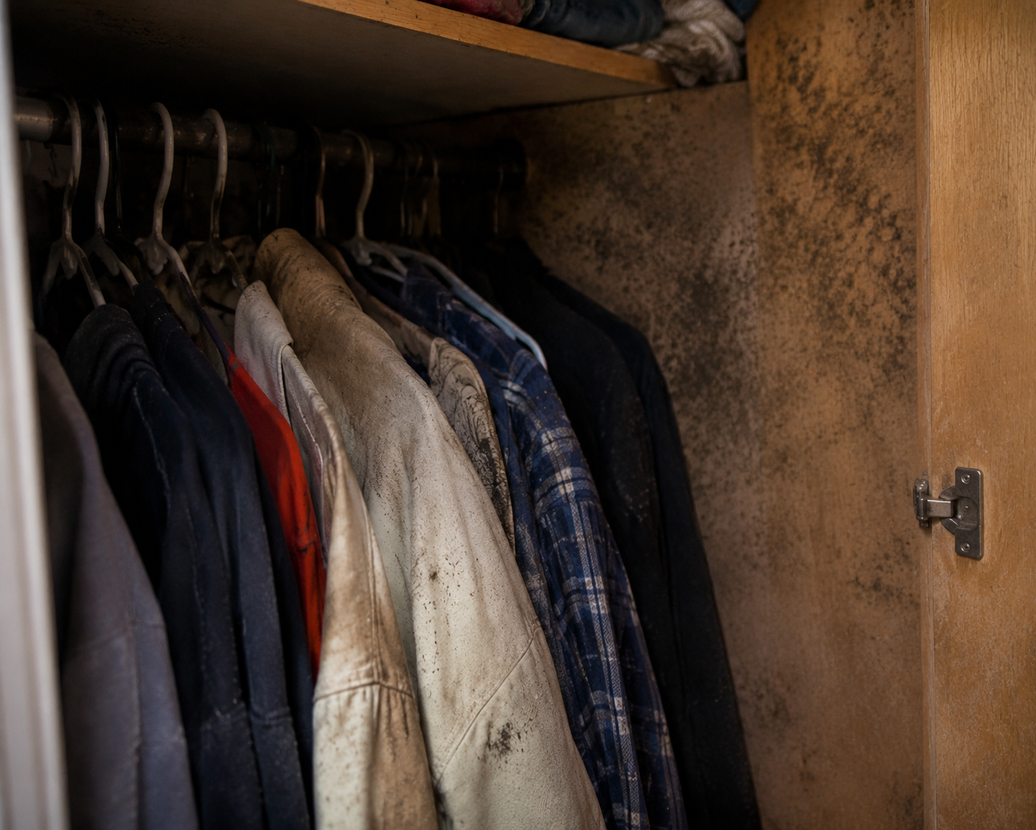
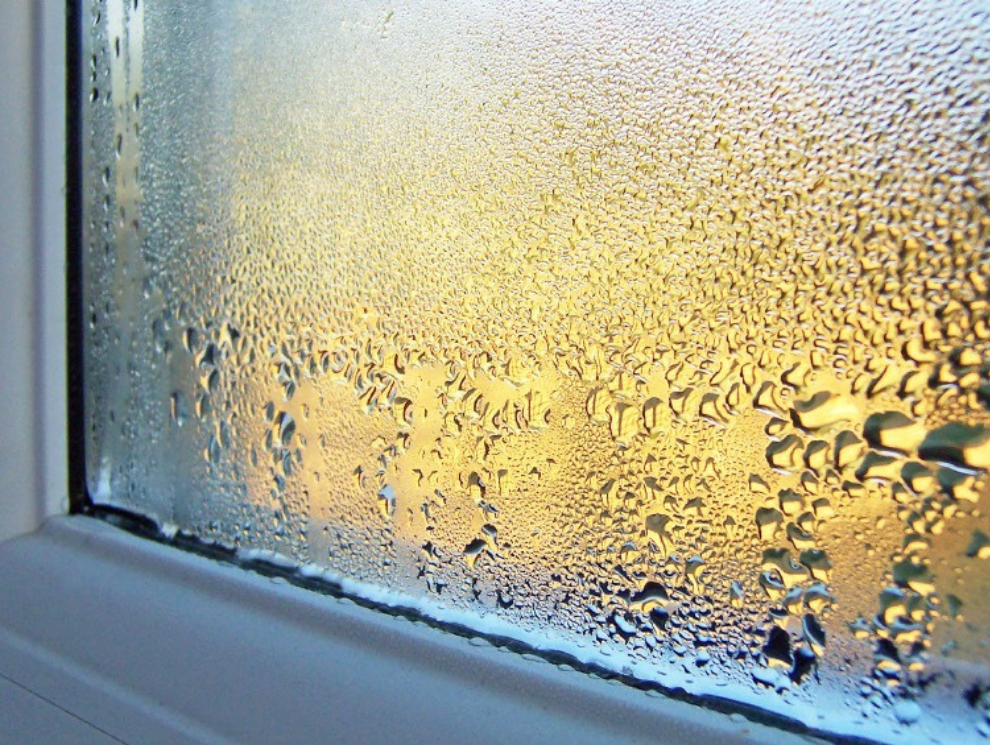
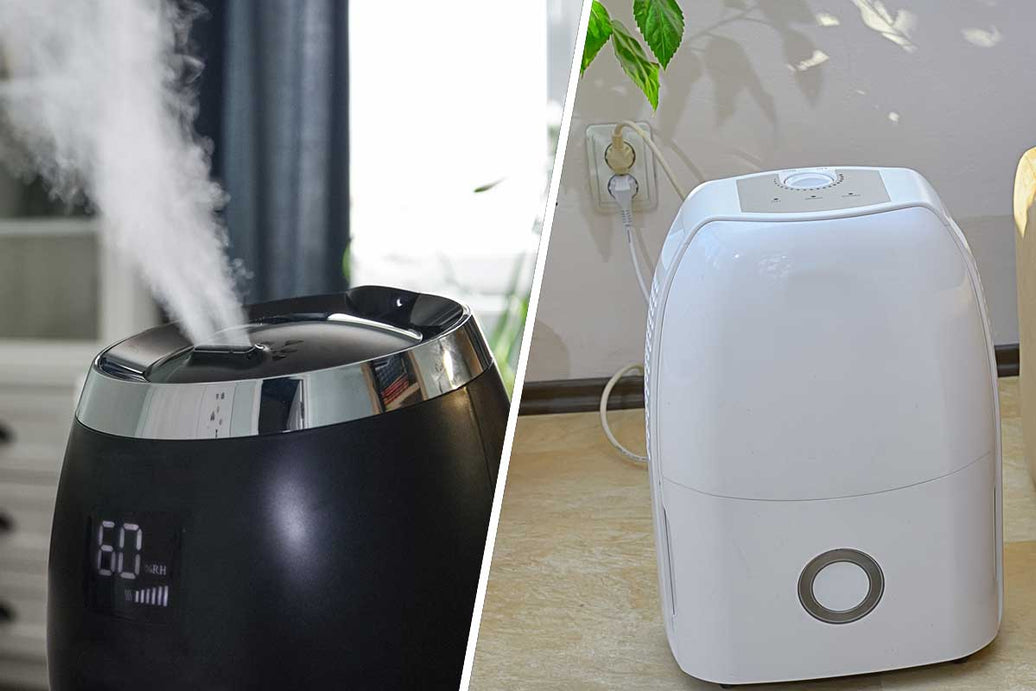
Haze in Singapore doesn't just bring PM2.5 indoors when doors and windows are opened — it also coincides with the driest, hottest stretch of the year, when homes are running air-con harder and humidity swings can make indoor air feel stale and stuffy. That combination is exactly what a combined air purifier–dehumidifier is built for.

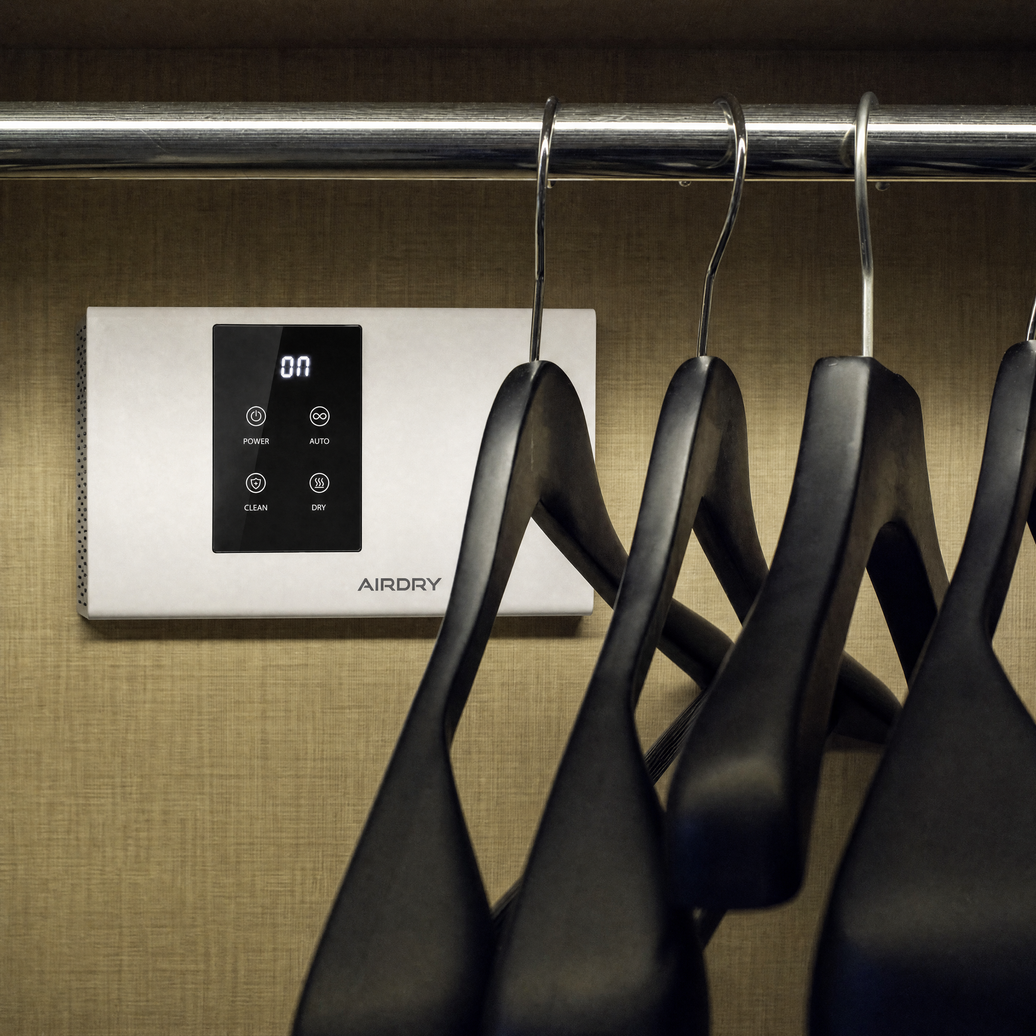
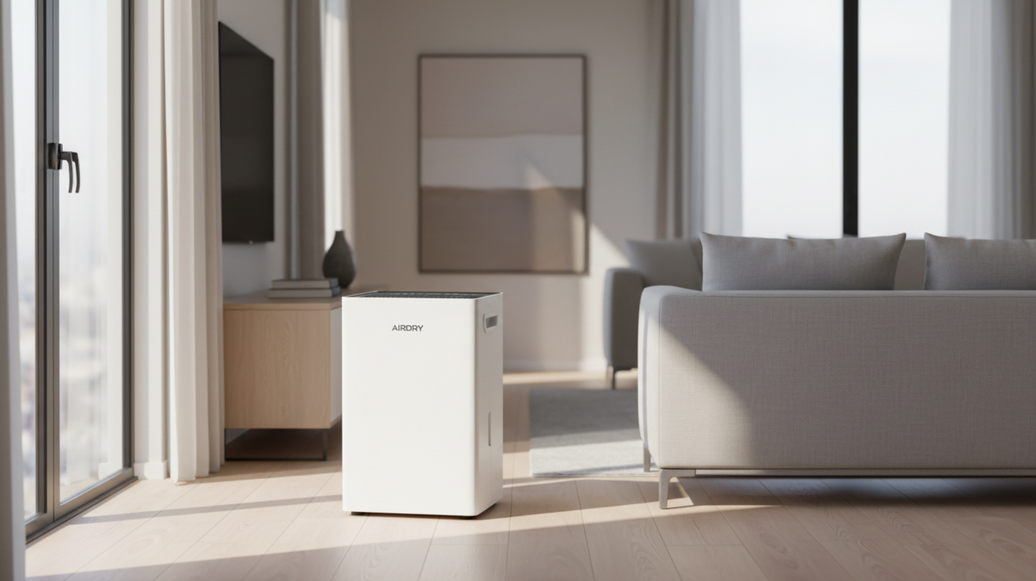
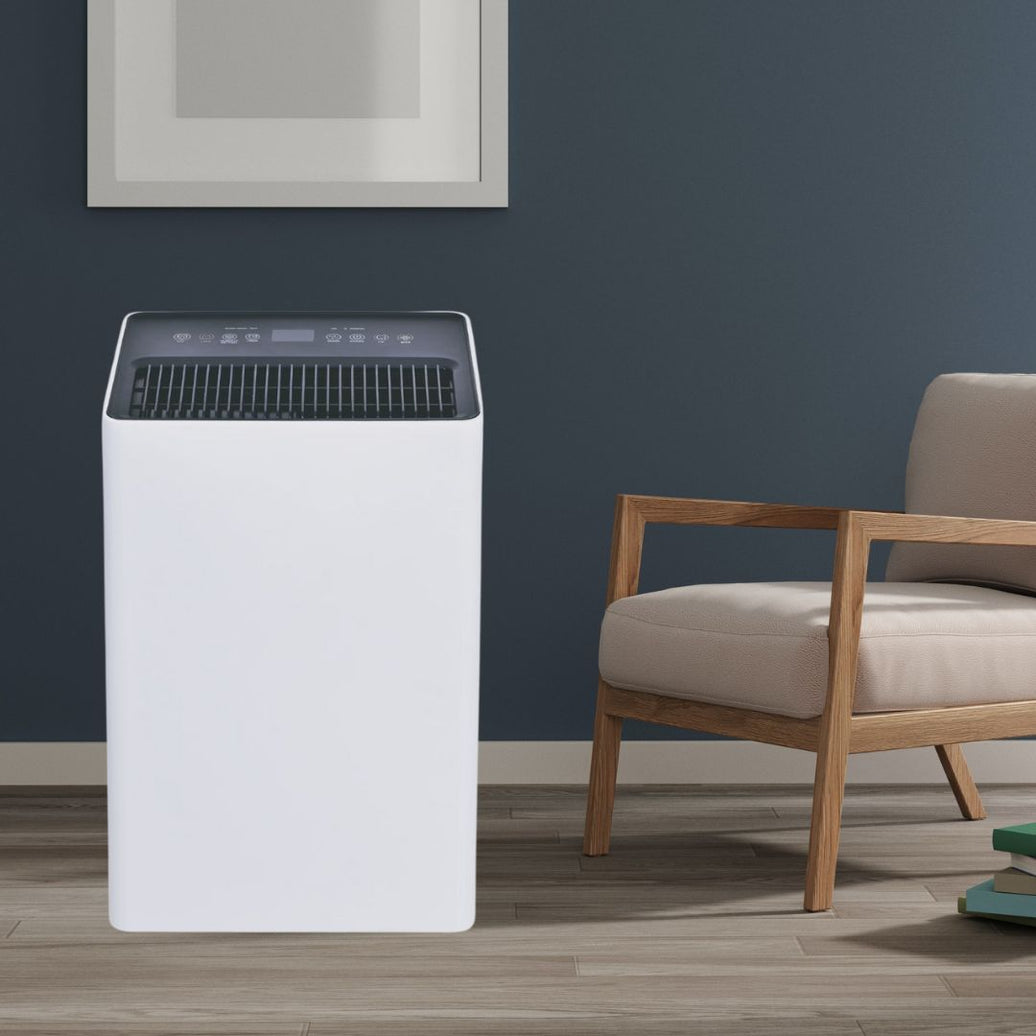
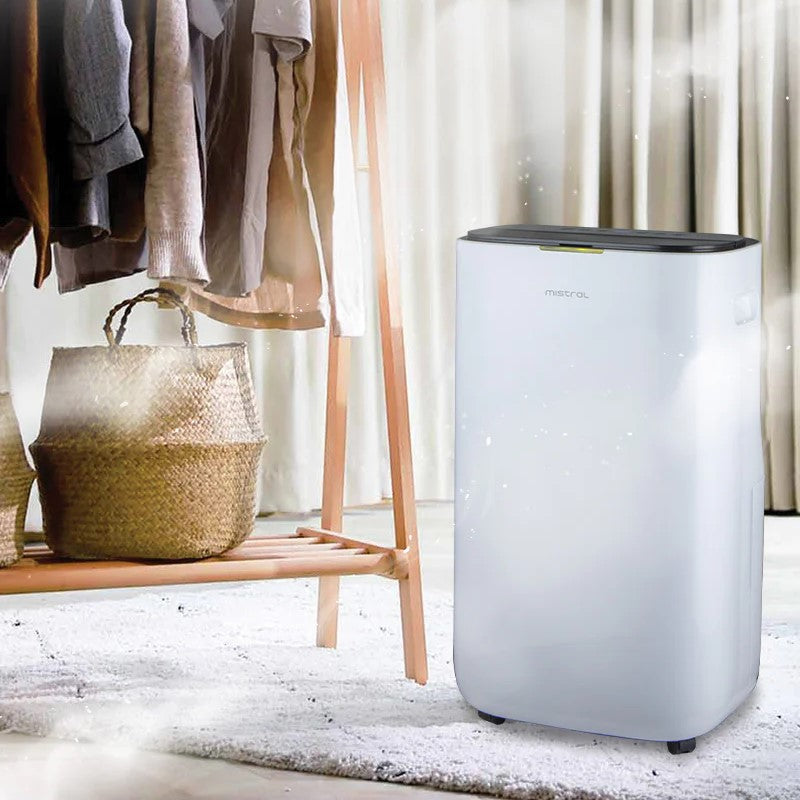
Our AIRDRY Smart Pro 25L 4-in-1 Dehumidifier + Air Purifier is designed to handle both sides of that problem in one unit:
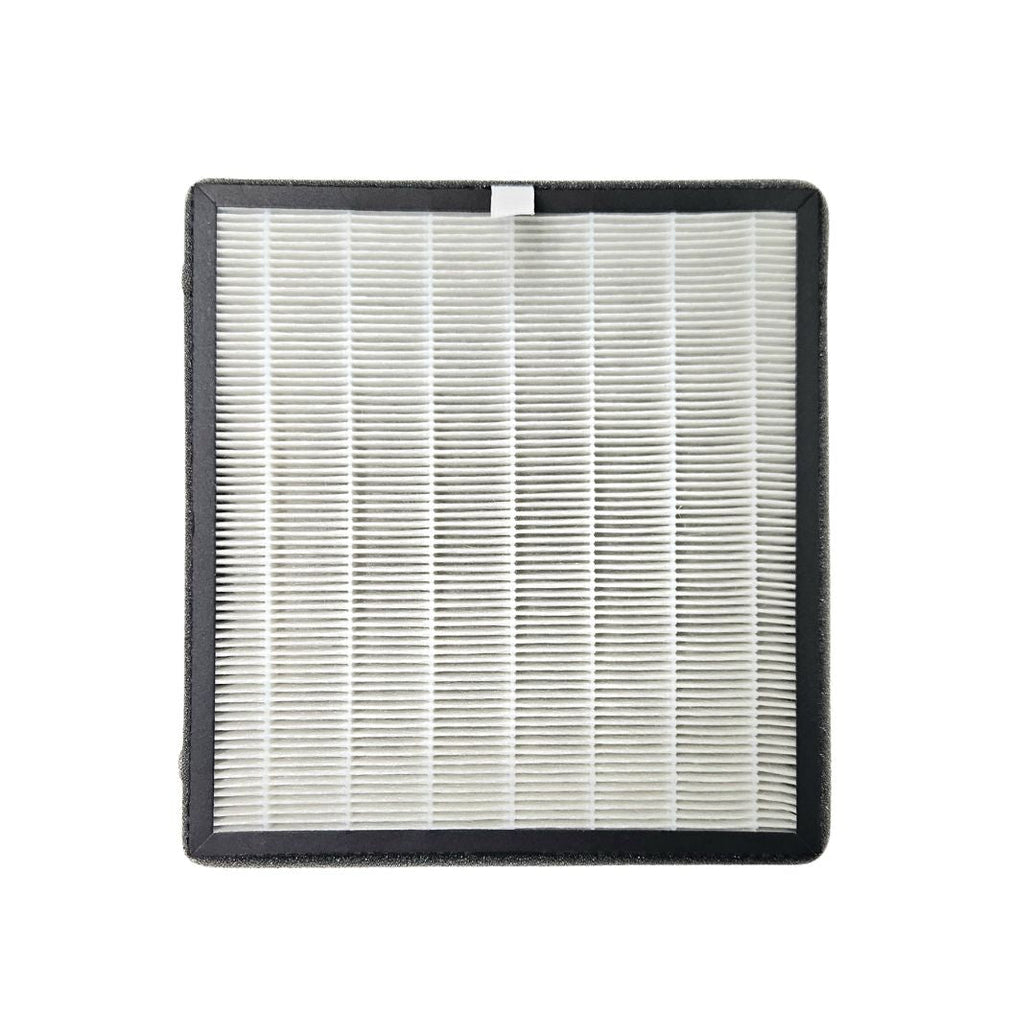
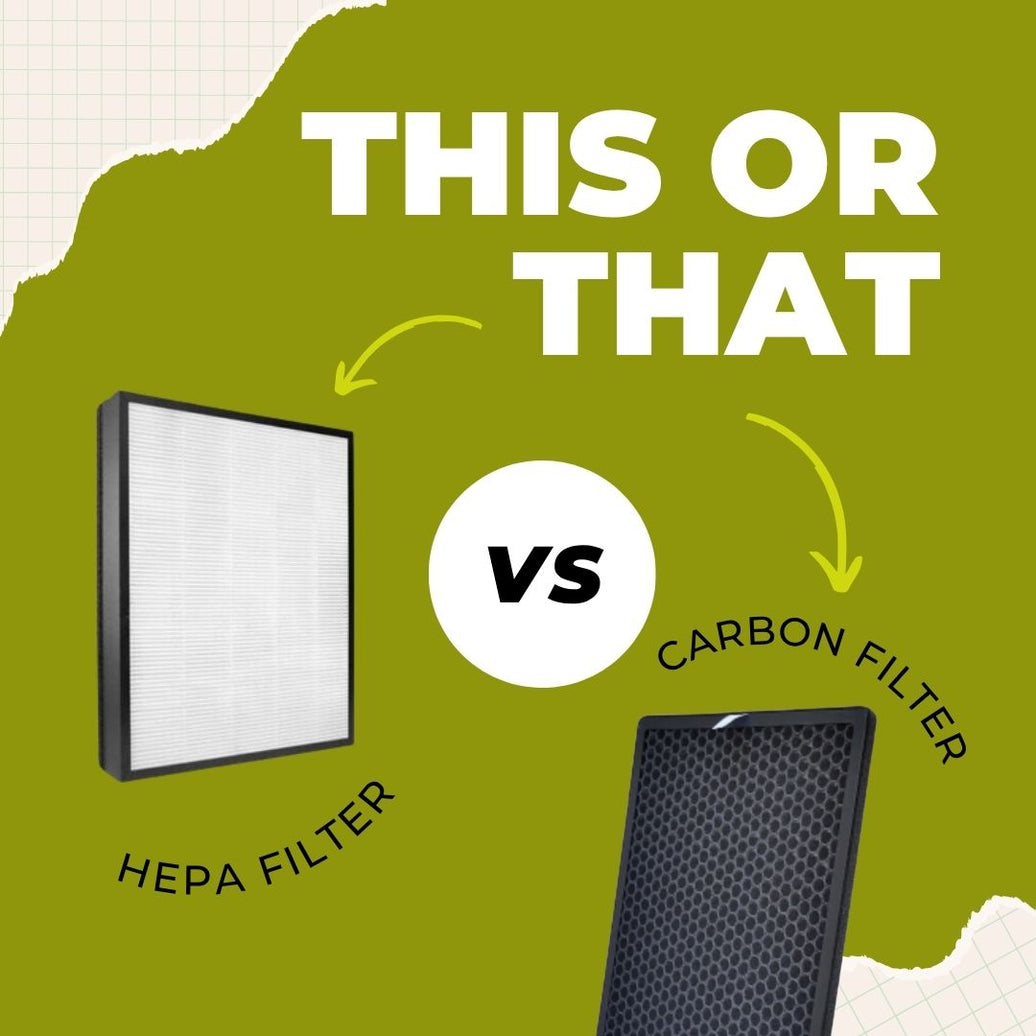
- Medical-grade H13 HEPA filtration paired with a negative ioniser and UV light, removing up to 99.95% of airborne particles — the same fine particulate matter (PM2.5) that haze advisories are built around.
- Up to 25L of moisture removal a day, keeping indoor humidity in check when you're running the air-con longer during hazy, hot stretches.
- Coverage of up to 60m², enough for a living room or bedroom-sized space.
- Large 5.3L water tank with continuous drainage option, so it can run unattended for longer during multi-day haze episodes.
- Smart Life app control, so you can switch it on remotely anytime if PSI has spiked during the day.
It won't change what's happening outside, but it's a practical way to make sure the air inside your home stays cleaner while the region works through its highest-risk months.
Recent reporting on this haze season
- SIIA's Haze Outlook 2026: Red Alert on high risk of haze in SE Asia and Singapore — The Straits Times
- How worrying is Singapore's haze outlook, and how can you protect yourself? — Straits Times coverage syndicated via Asia News Network
- Haze Task Force on standby as 24-hour PSI stays in moderate range — Mothership, citing NEA's 9 August release
- Singapore braces for haze ahead of F1 Grand Prix weekend — Malay Mail
- NEA — Haze — official PSI, PM2.5 and health advisory
- MOH — Haze — official health guidance
This article is for general information and isn't a substitute for official NEA or MOH advisories. Always check haze.gov.sg for the latest readings.