Whether you've inherited a stack of old Singapore dollar notes from your grandparents, started collecting commemorative coins, or kept a few discontinued bills as keepsakes, old money is more fragile than most people realise. Paper currency yellows, becomes brittle, and develops mould spots. Coins tarnish, oxidise, and lose their lustre. And once damage sets in, it's permanent — there's no restoring a banknote that has foxed or a coin that has corroded.
In Singapore's hot, humid climate, this damage happens faster than collectors often expect. The good news is that proper storage is straightforward once you understand what's actually destroying your collection — and the single biggest factor, by far, is humidity.
Why Old Money Deteriorates: The Real Culprits
1. Humidity Is Enemy Number One
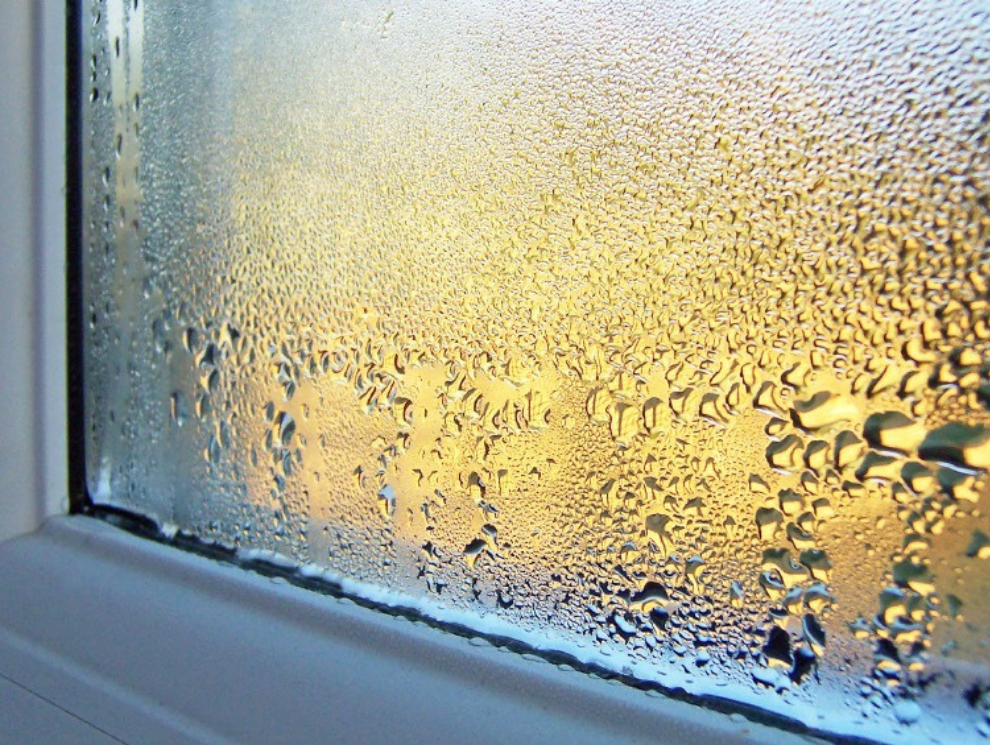
Singapore's average relative humidity sits around 80% year-round — far above the 40–50% range considered safe for paper and metal collectibles. Excess moisture in the air causes:
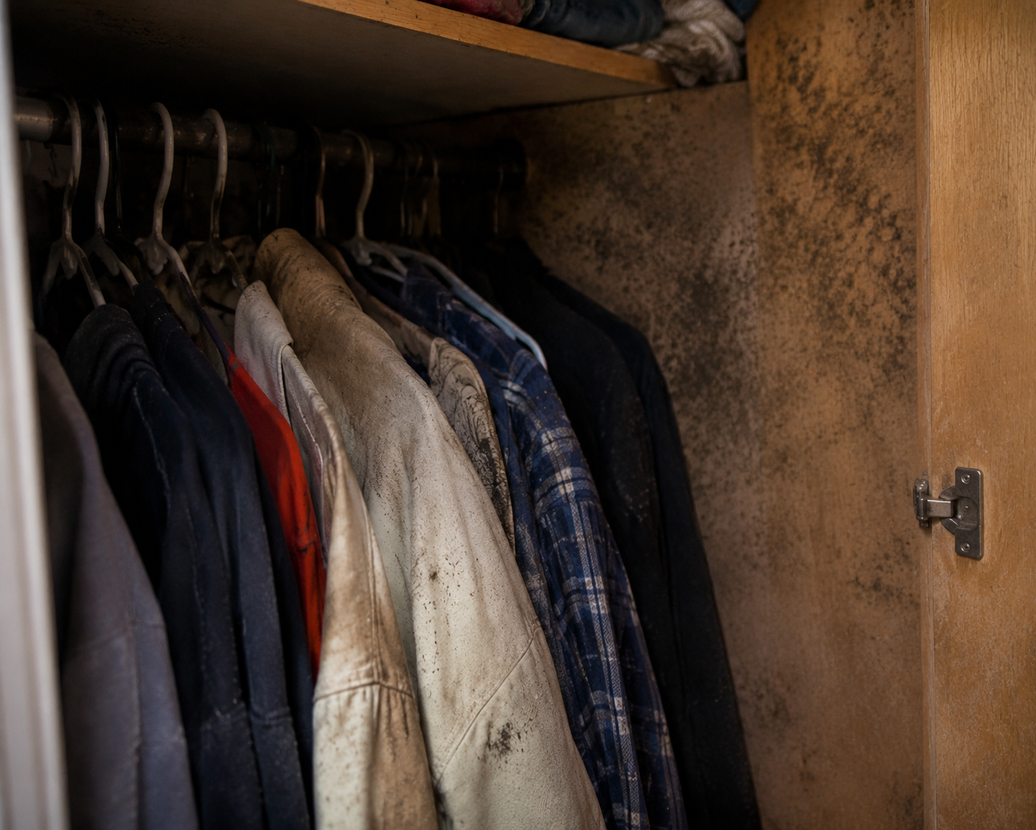
- Foxing — the small brown spots that appear on old banknotes, caused by mould growth and oxidation reacting with impurities in the paper
- Paper softening and weakening — humid paper loses structural rigidity, becomes more prone to tearing, and can stick to plastic sleeves or other notes
- Coin tarnishing and corrosion — moisture in the air reacts with metal surfaces, accelerating oxidation, especially on copper, nickel, and silver coins
- Mould growth — visible mould spots on notes stored in non-ventilated containers in humid conditions
2. Temperature Fluctuations
Constant swings between air-conditioned rooms and ambient Singapore heat cause paper to expand and contract repeatedly, weakening fibres over time. Coins stored near windows or in un-airconditioned store rooms experience the same stress.
3. Light Exposure
Direct sunlight and even prolonged fluorescent lighting fade ink and discolour paper. UV exposure breaks down the dyes used in banknote printing, which is why old notes left in display frames near windows often look noticeably faded compared to notes kept in the dark.
4. Poor Handling and Storage Materials
- PVC sleeves and binders — many older plastic sleeves contain PVC, which releases plasticisers over time that react with paper and metal, causing discolouration and a sticky residue
- Rubber bands — leave indentations and chemical marks on notes within months
- Bare-hand handling — oils and acids from skin transfer onto notes and coins, accelerating tarnish and staining
- Stacking without separation — notes pressed directly against each other can transfer ink and absorb each other's moisture content unevenly
5. Pests and Silverfish
Singapore's humidity doesn't just attract mould — it's also the preferred environment for silverfish and paper-eating pests, which are drawn to the cellulose in banknotes. A collection stored in a damp drawer or cardboard box is far more vulnerable than one in a sealed, controlled environment.
The Right Way to Store Banknotes
1. Keep humidity low and consistent This is the single most important factor. Old banknotes are best preserved at 45–55% relative humidity — well below Singapore's ambient 80%.
2. Use acid-free, PVC-free sleeves Look specifically for "archival-safe" or "currency-safe" sleeves made from polypropylene or polyester rather than PVC. These don't leach chemicals onto your notes over time.
3. Store notes flat, not folded Folding creates permanent creases that weaken the paper at the fold line, eventually leading to tears. Use rigid currency holders or flat archival boxes rather than wallets or folded envelopes.
4. Avoid direct light Store collections in opaque boxes or cabinets, away from windows and direct lighting. If displaying notes, use UV-filtering glass and limit display duration.
5. Handle with clean hands or gloves For especially valuable or sentimental notes, cotton gloves prevent oil and acid transfer from skin.
The Right Way to Store Coins
1. Avoid touching the coin's face Hold coins by the edges only. Fingerprints accelerate tarnish, especially on silver and copper coins.
2. Use coin capsules or acid-free coin flips Hard plastic capsules made from inert materials (not PVC) prevent surface contact and limit air exposure, which slows oxidation.
3. Keep coins in a stable, low-humidity environment Just like banknotes, coins corrode and tarnish faster in humid air. A consistent, dry environment dramatically slows this process.
4. Never clean old coins yourself Cleaning — even gently — removes the natural patina that collectors and numismatists value, and can permanently reduce a coin's worth. If a coin needs cleaning, this should only be done by a professional conservator.
5. Separate by type and value Don't store loose coins together in a single tin or pouch — they scratch each other through everyday handling and movement.
Why a Dry Box Is the Best Long-Term Solution
Sleeves, capsules, and careful handling solve part of the problem — but they don't solve the root cause: Singapore's ambient humidity. A drawer, cupboard, or display cabinet in a typical home still sits at 70–80% humidity, regardless of how well-protected each individual note or coin is inside it.
This is where a dry box becomes the most effective long-term solution for serious collectors.
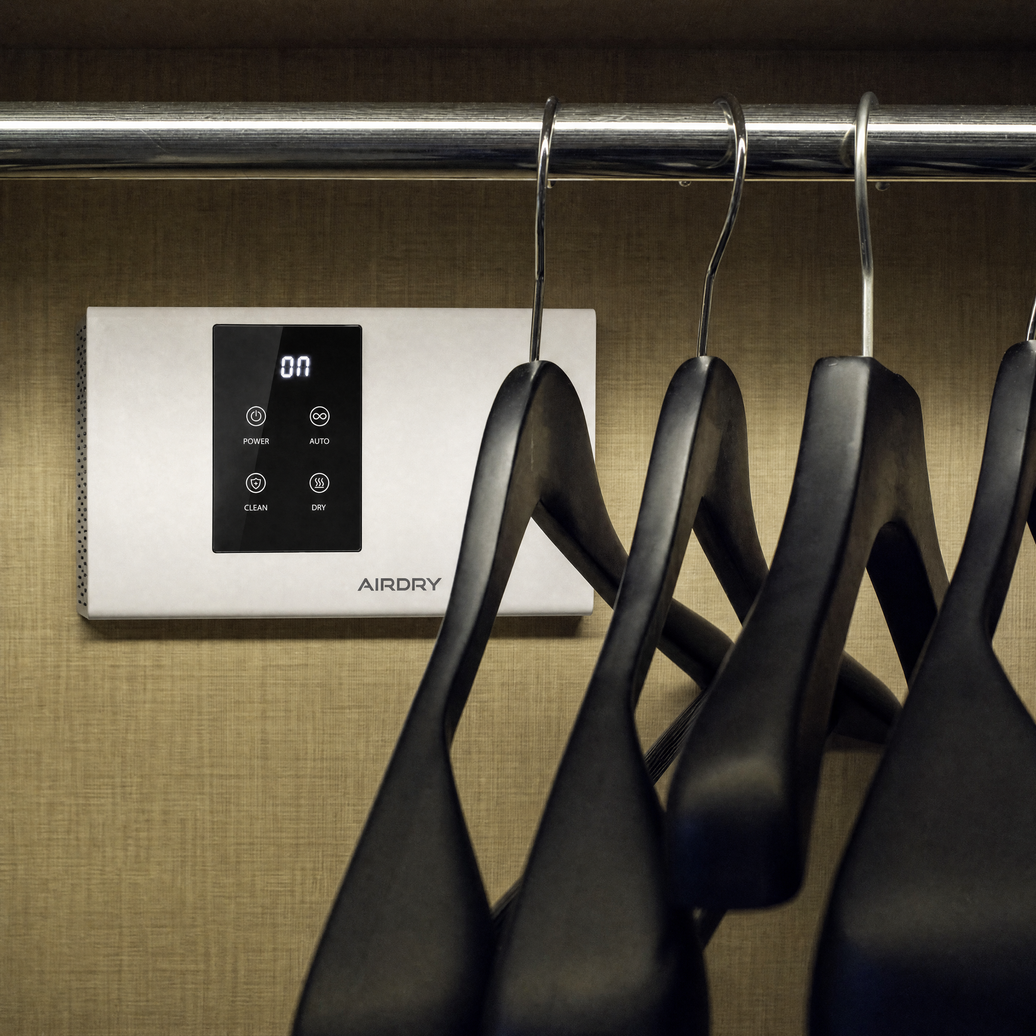
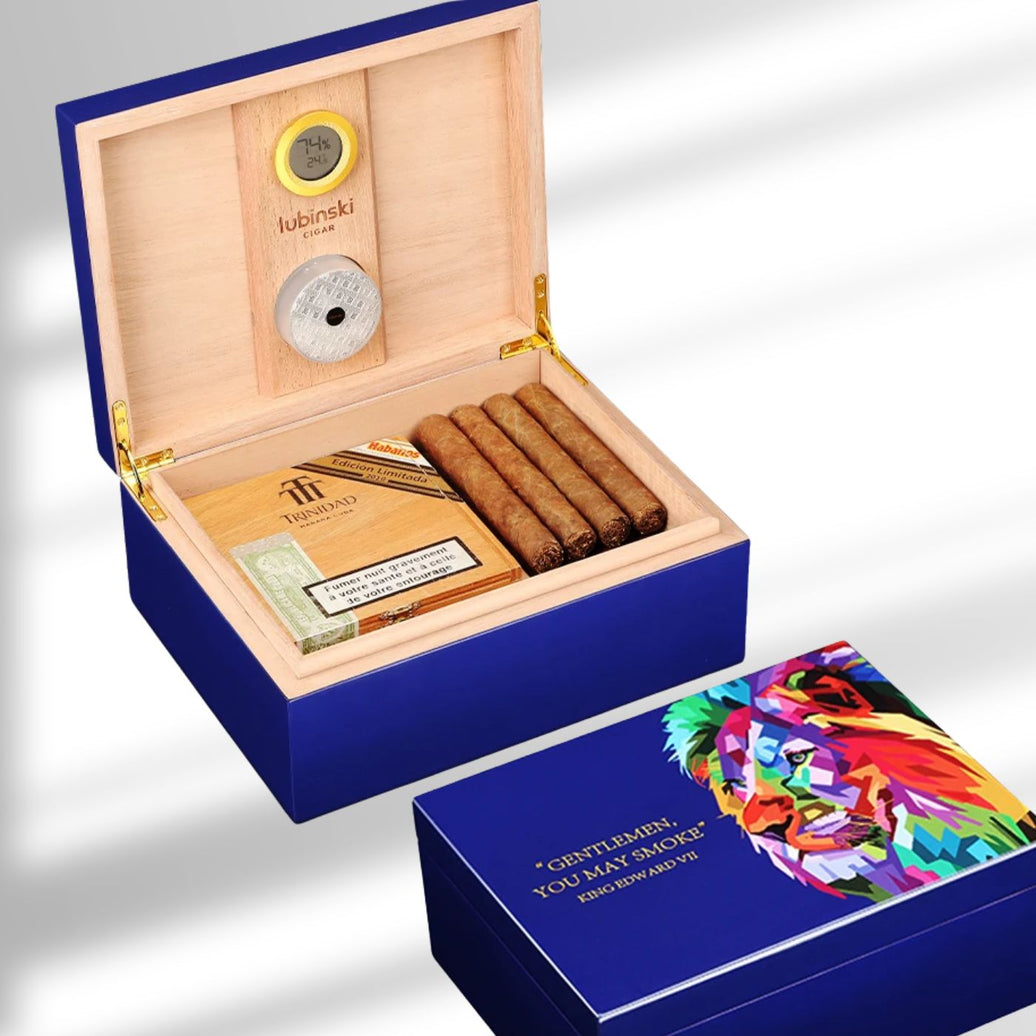
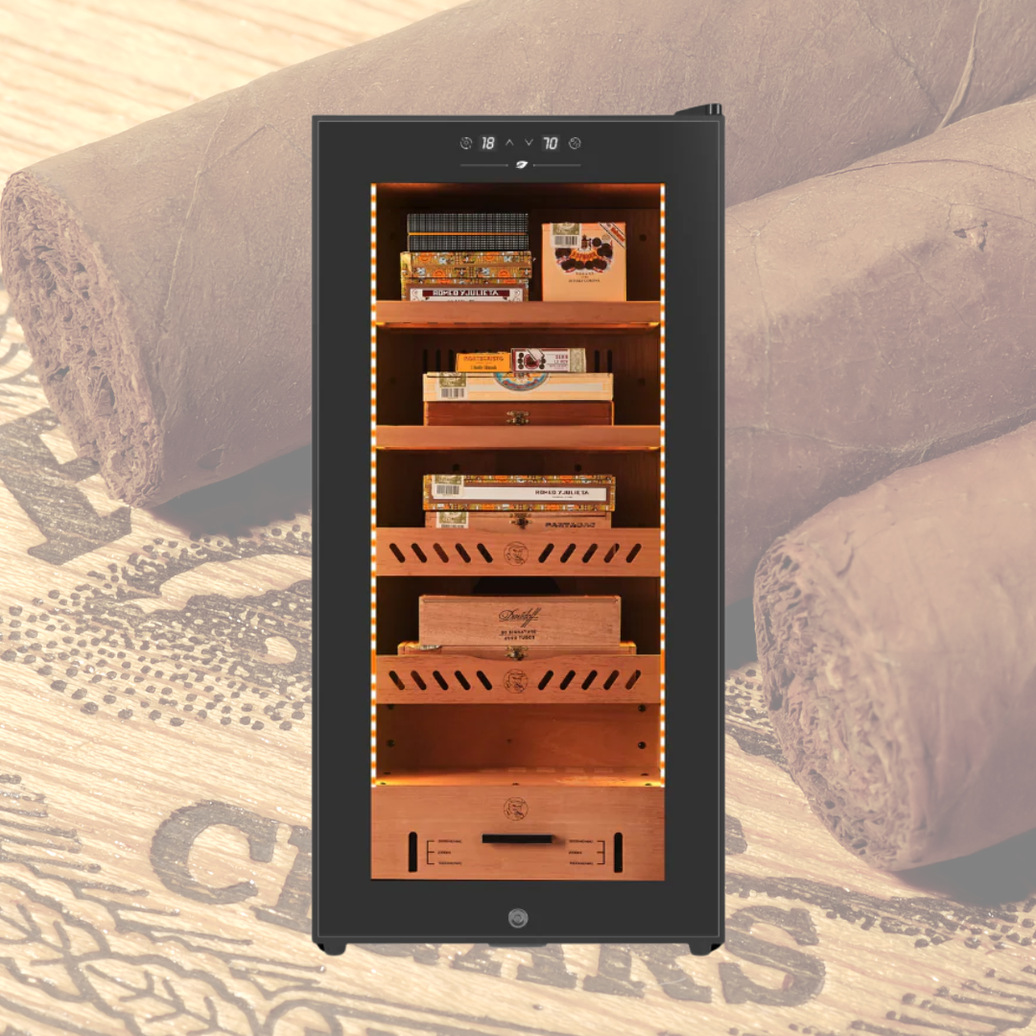
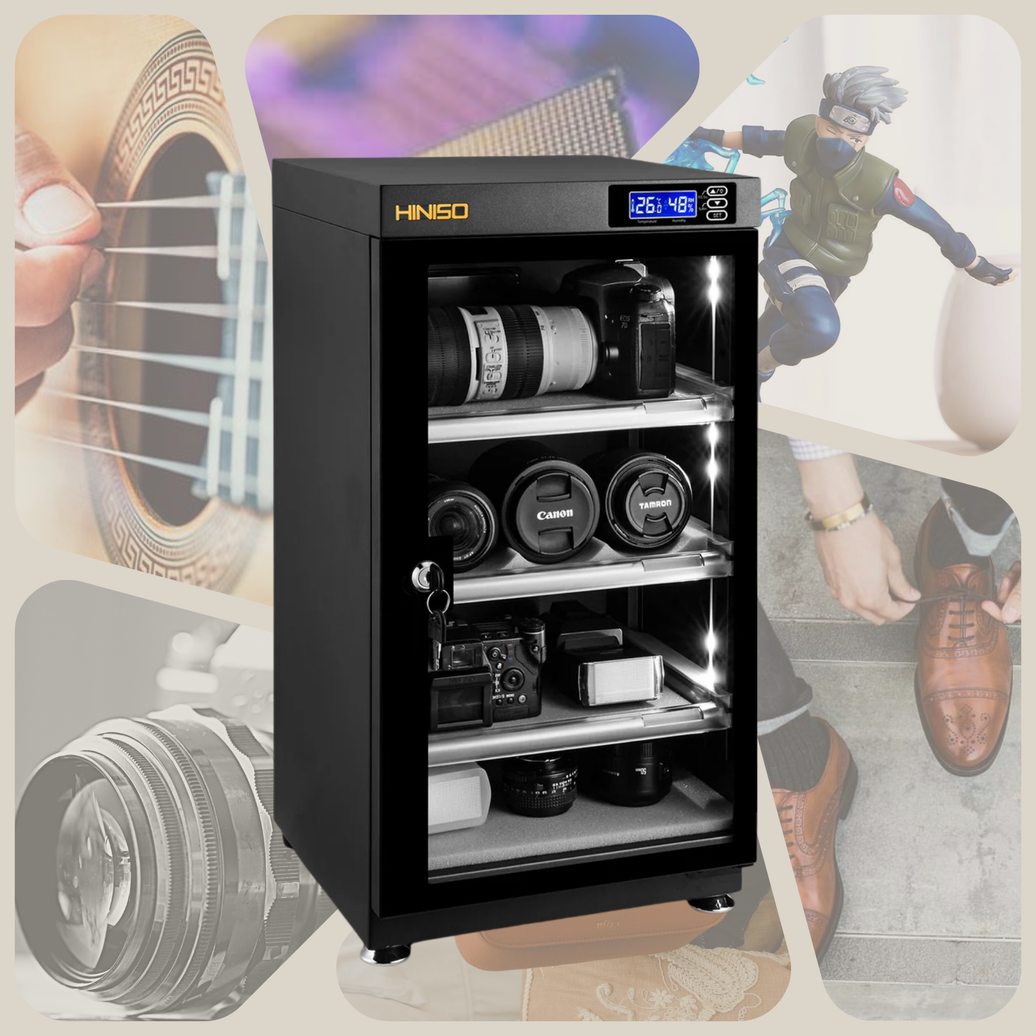
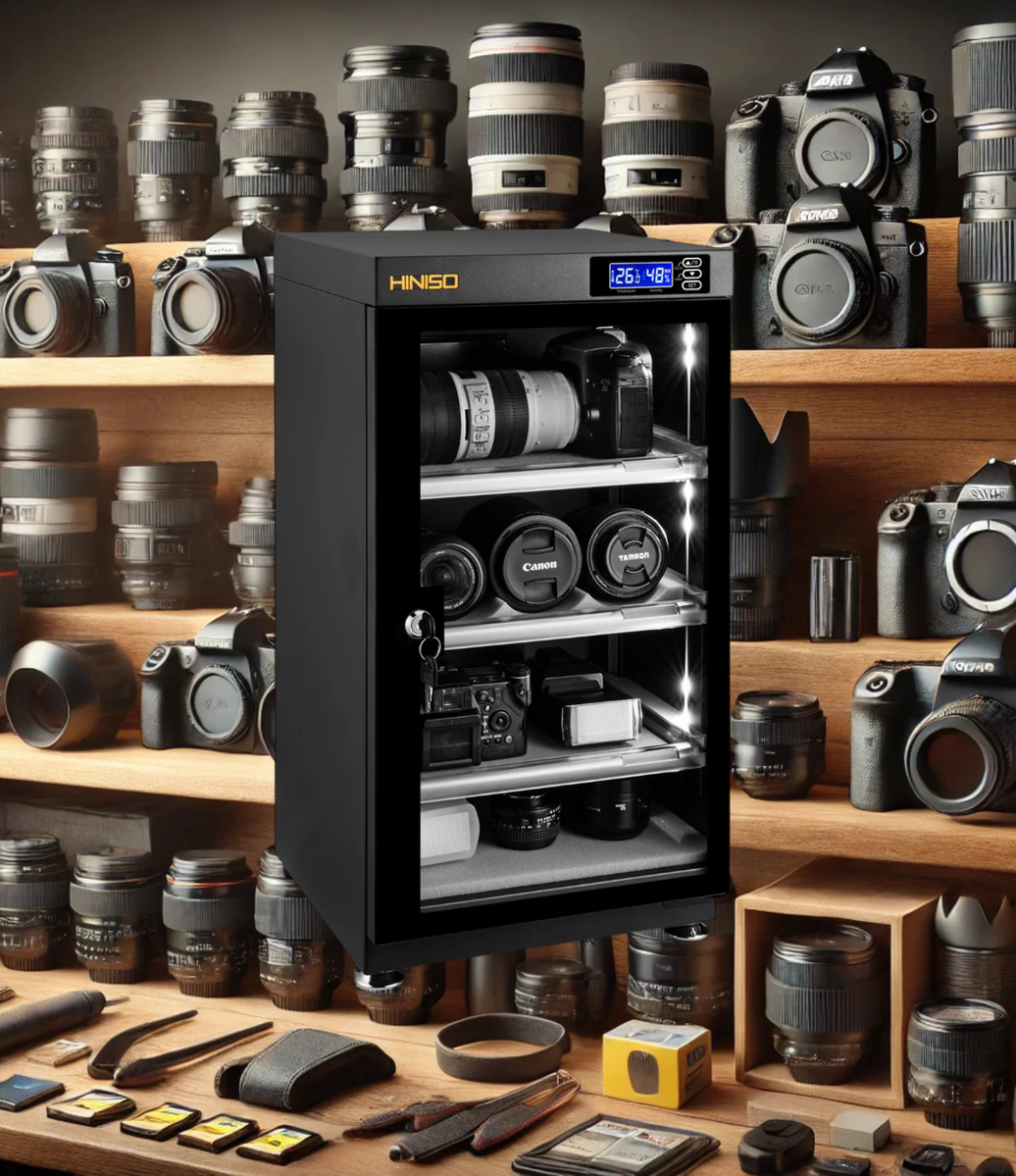
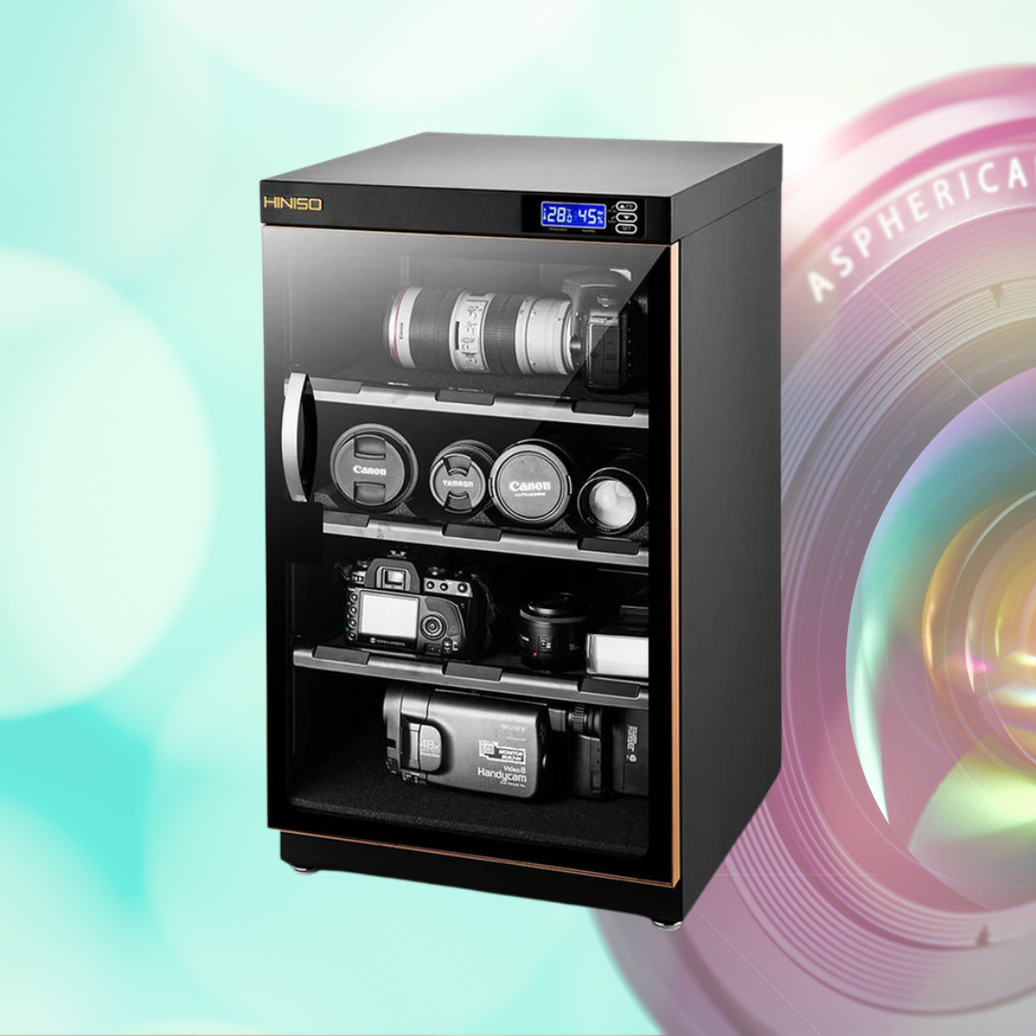
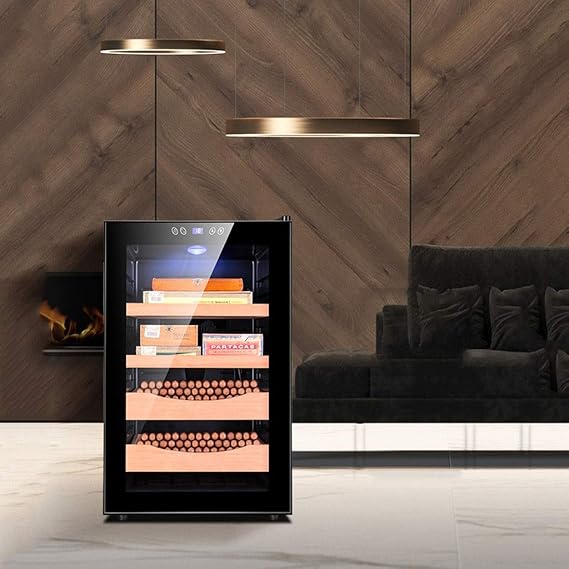
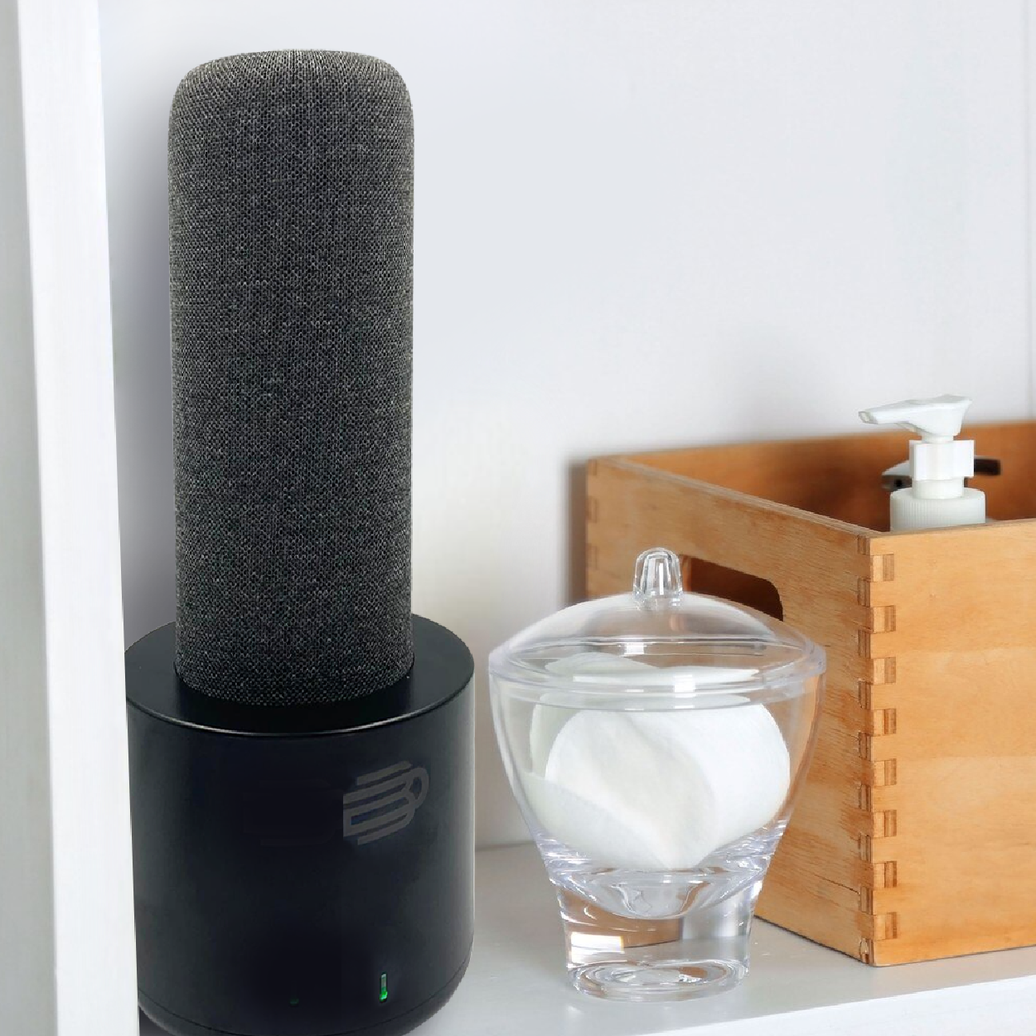
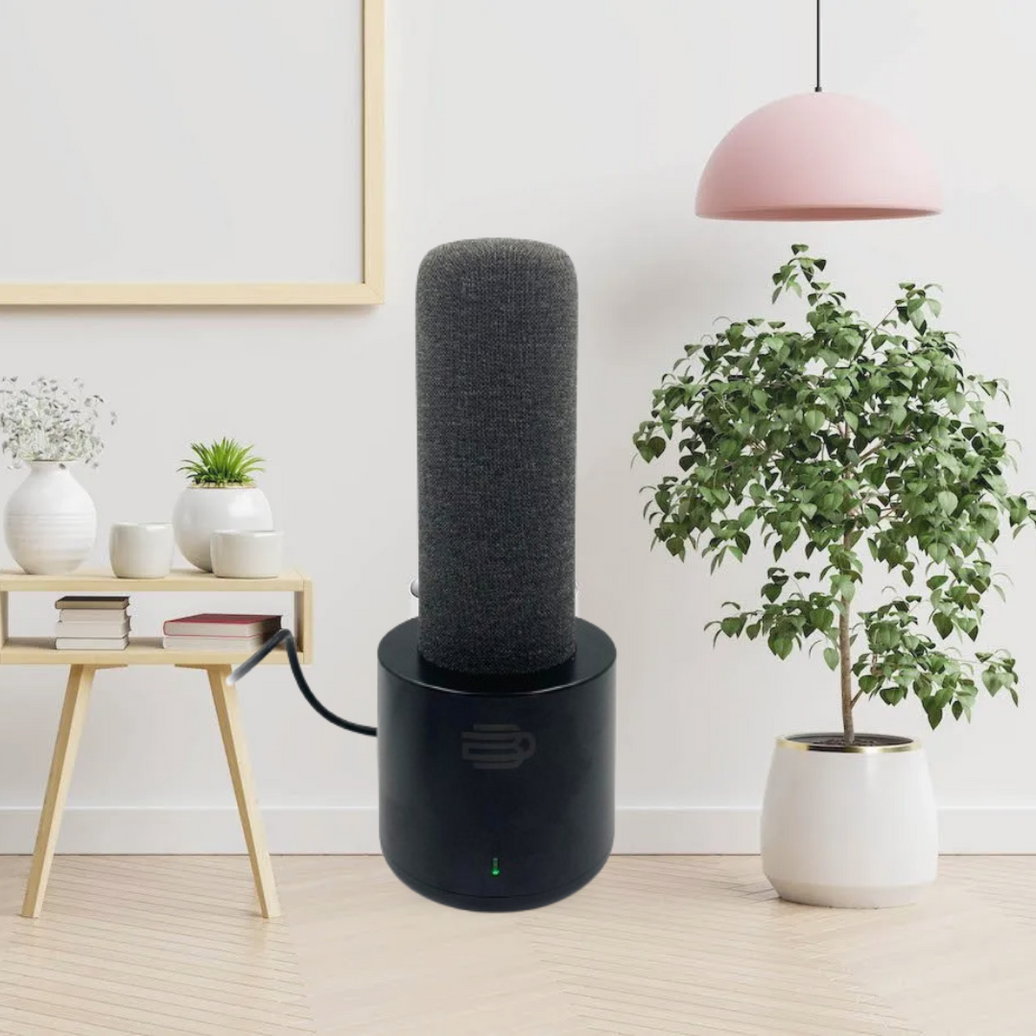
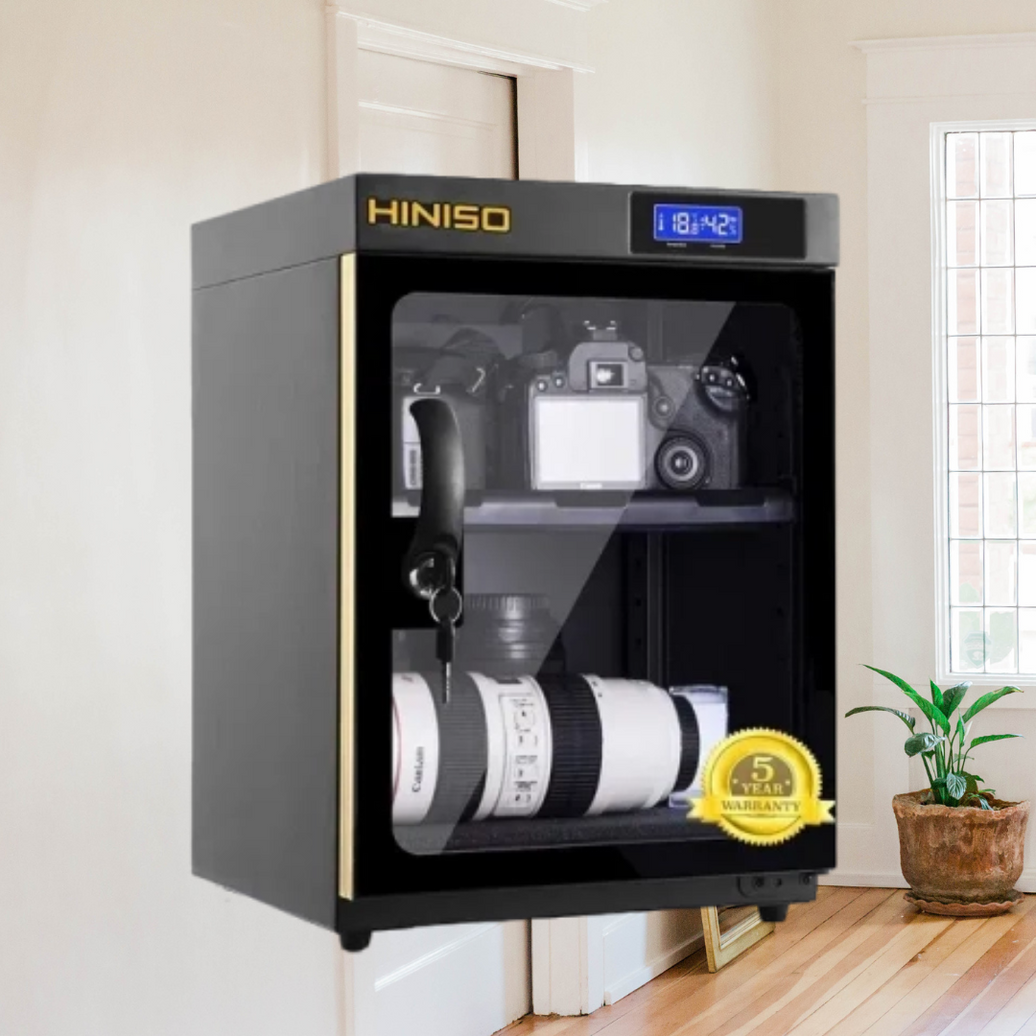
A dry box is a sealed storage unit that actively regulates internal humidity to a consistent, low level — typically adjustable between 40% and 60% RH — using a built-in dehumidifying unit rather than passive desiccants like silica gel (which need constant monitoring and replacement).
Why this matters for currency and coin collections specifically:
- Consistent humidity control, 24/7 — unlike silica gel packets that lose effectiveness over weeks and need replacing, a dry cabinet maintains your target humidity automatically and continuously
- Protects against mould and foxing permanently — by keeping humidity below the threshold mould needs to grow, a dry box removes the single biggest risk to paper currency entirely
- Slows coin oxidation dramatically — lower ambient humidity directly reduces the chemical reactions that cause tarnish and corrosion
- One safe space for your entire collection — rather than juggling multiple small storage solutions, a dry cabinet can house notes, coins, and other sensitive collectibles (stamps, photographs, leather goods) in a single controlled environment
- Set-and-forget convenience — digitally controlled units let you set your target humidity once and trust it to maintain that level without ongoing manual upkeep
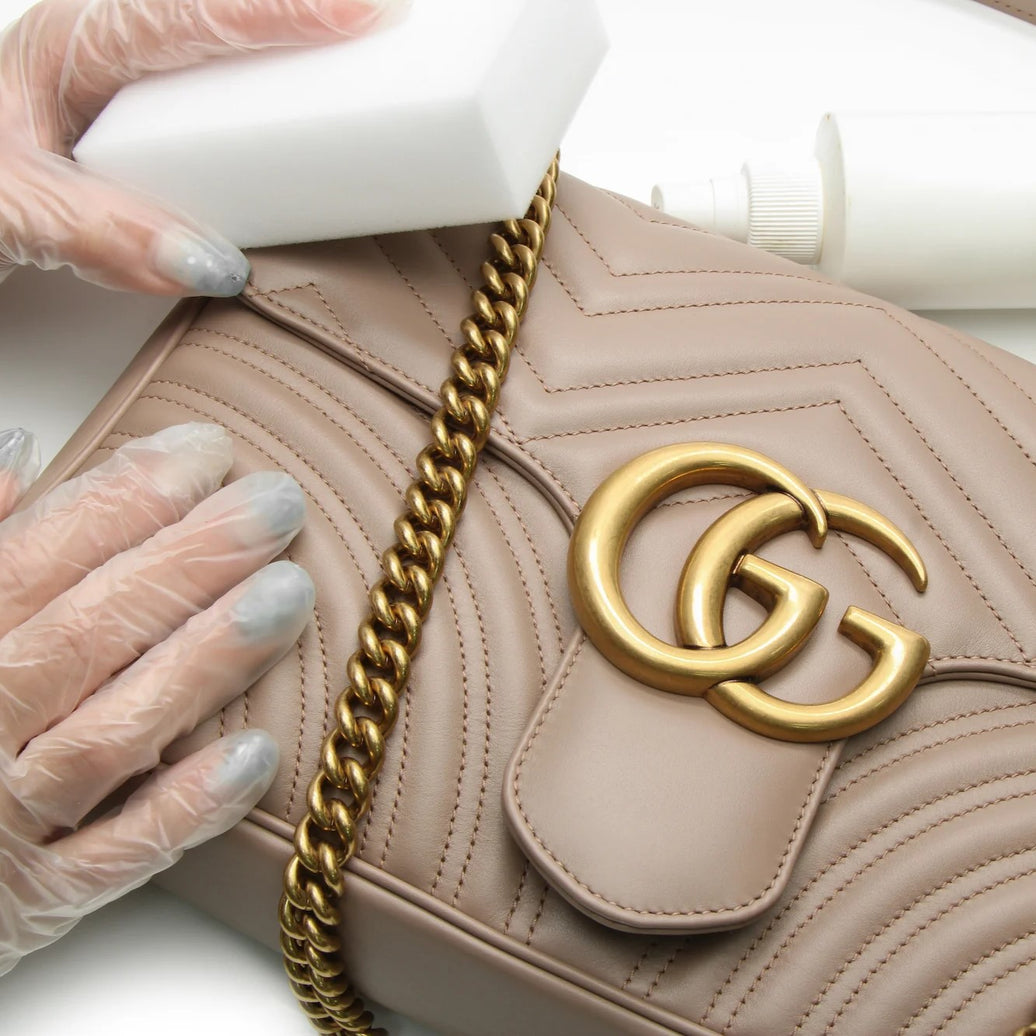
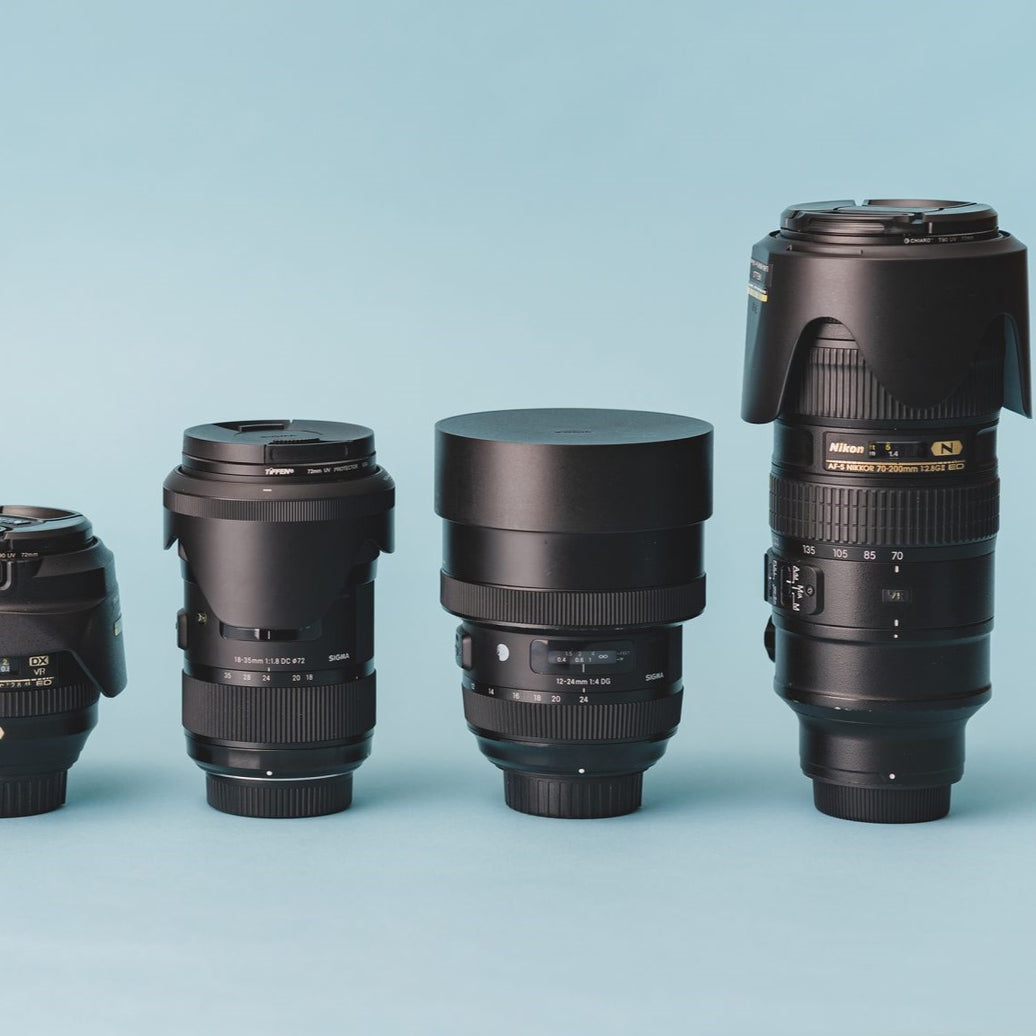
This is precisely the kind of storage that serious collectors of cameras, vinyl records, leather goods, and musical instruments already rely on in Singapore's climate — and currency and coin collections benefit from exactly the same humidity-control logic.
Choosing the Right Dry Box for Your Collection
If you're considering a dry cabinet for your currency or coin collection, here's what to look for:
- Digitally controlled humidity settings — precise, adjustable control rather than a fixed setting gives you flexibility as your collection grows
- Appropriate capacity — a smaller dry box suits collectors with a modest number of notes and coins; larger consumer dry cabinets work well if you're also storing other sensitive valuables (cameras, leather goods, watches) alongside your collection
- Reliable warranty and local support — given that this is a long-term investment meant to protect irreplaceable items, a strong warranty and accessible after-sales service matter significantly
- SG safety mark certification — ensures the unit is electrically safe and rated for Singapore power standards
Dry Box SG (drybox.com.sg) is Singapore's dedicated dry cabinet distributor, offering a range of consumer dry cabinets suited to currency and coin collections of all sizes. Most units comes backed by an on-site 6-year warranty — strongest in the local market — along with fast shipping and SG safety mark-certified power adapters. For collectors who also keep leather goods, cameras, or musical instruments, Dry Box SG's range extends to dedicated solutions for those categories too, making it possible to consolidate multiple valuable collections under one properly controlled environment.
A Simple Storage Checklist
Before you tuck your old notes and coins away, run through this checklist:
- ✅ Notes stored flat in acid-free, PVC-free sleeves or holders
- ✅ Coins held by the edges, stored in inert capsules or flips
- ✅ Collection kept out of direct light
- ✅ Humidity controlled at 45–55% RH, ideally via a dry cabinet
- ✅ No rubber bands, paperclips, or adhesive tape anywhere near your notes
- ✅ Valuable or sentimental pieces handled with clean hands or gloves only
Final Thoughts
Old money — whether a single inherited note or a growing coin collection — holds value that's both financial and sentimental, and once damage sets in, there's no undoing it. The biggest threat in Singapore isn't careless handling; it's the humid air your collection sits in every single day, year-round.
Good sleeves and capsules are a solid first step, but they only go so far against Singapore's climate. A dry cabinet solves the problem at its source — giving your currency collection the kind of stable, controlled environment that keeps notes crisp and coins untarnished for decades, not just years.
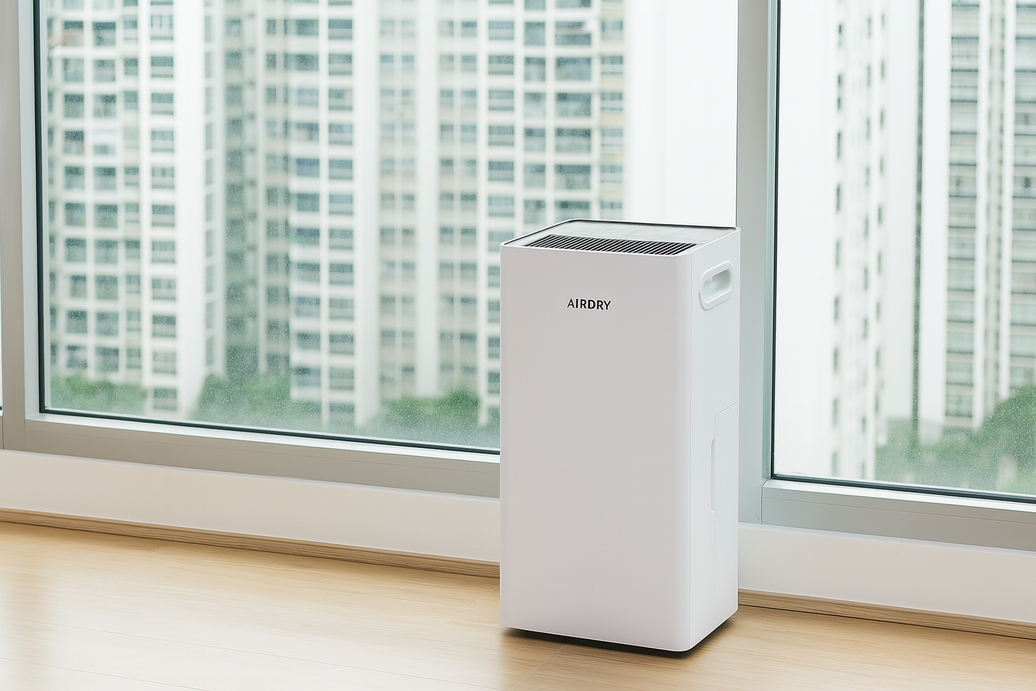
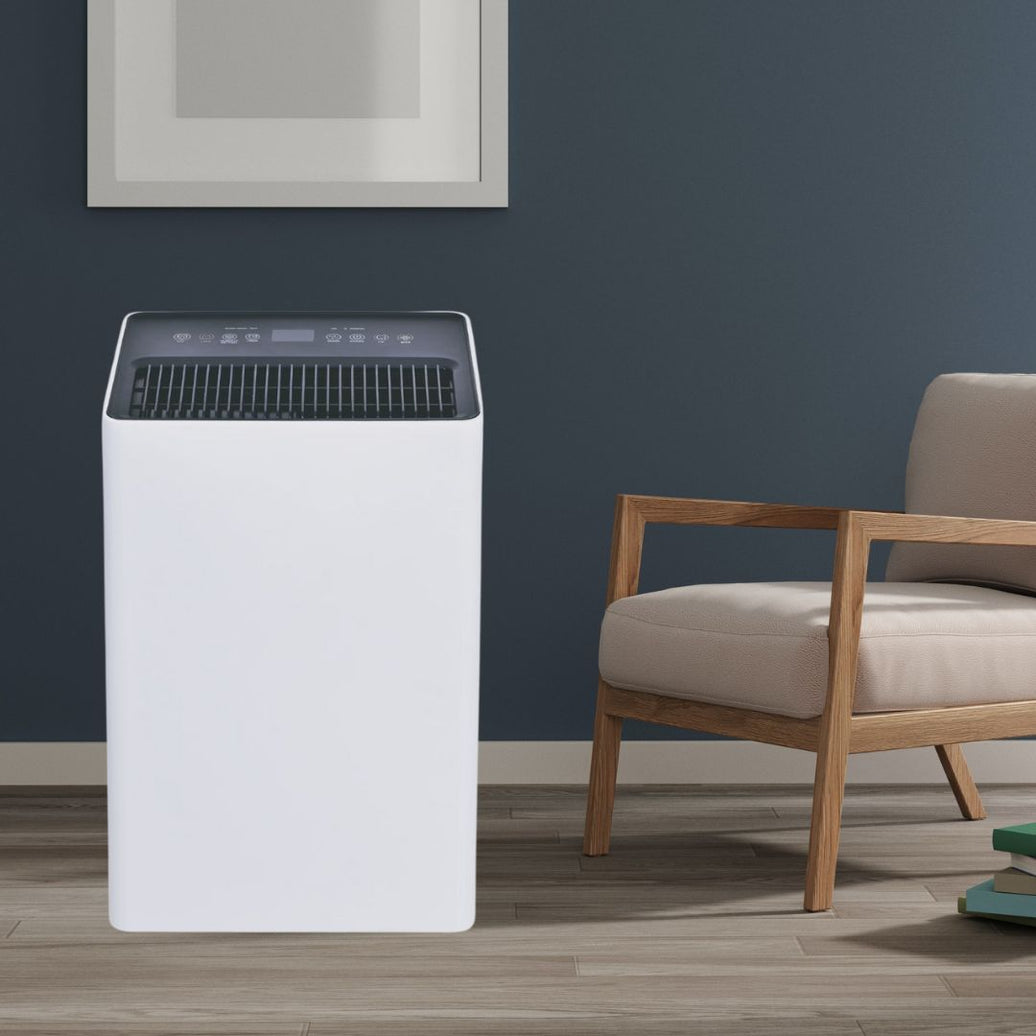
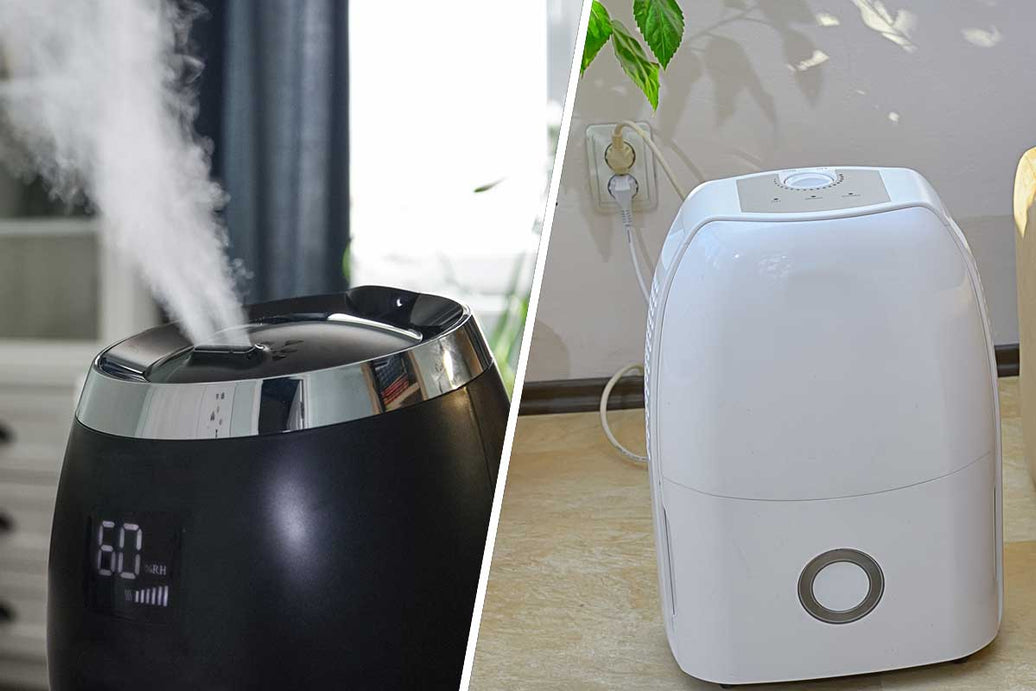
Looking for more home storage and preservation guides? Read our comparisons on room dehumidifiers and how humidity affects leather goods and cameras in Singapore homes.