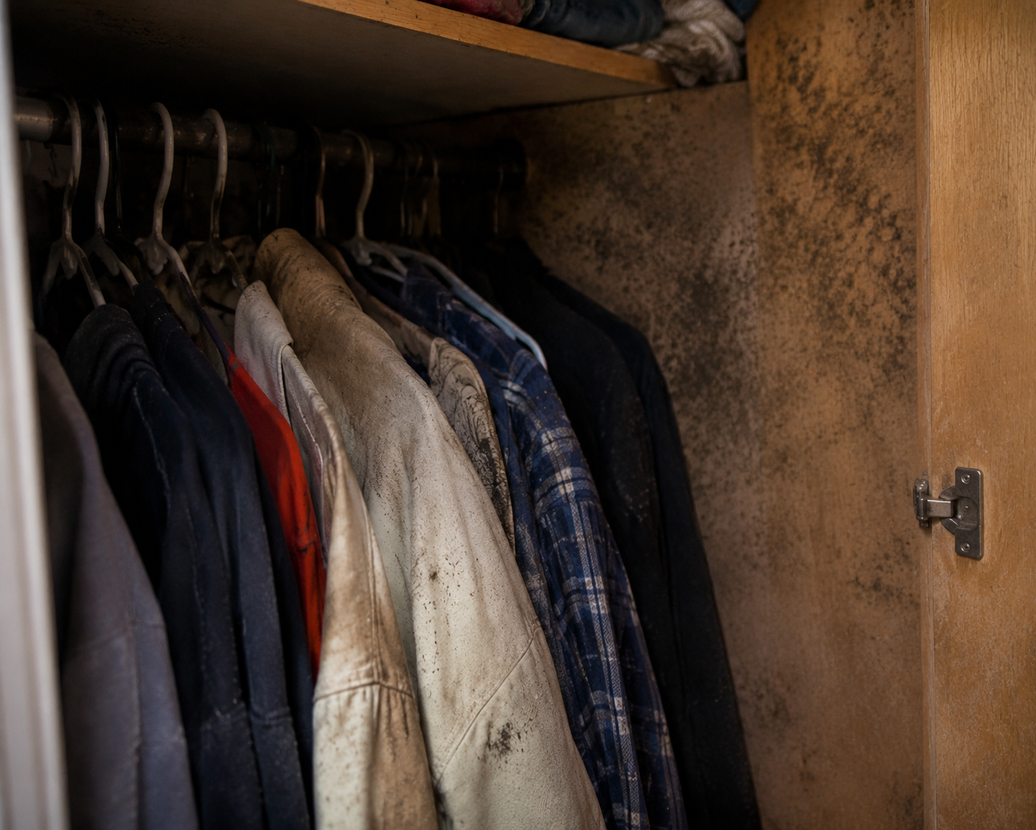

You leave a pair of leather shoes in the cabinet for a few weeks, and when you open the door, they're covered in fuzzy white spots. A loaf of bread turns green in a couple of days. The bathroom ceiling grows black patches no matter how often you clean it.
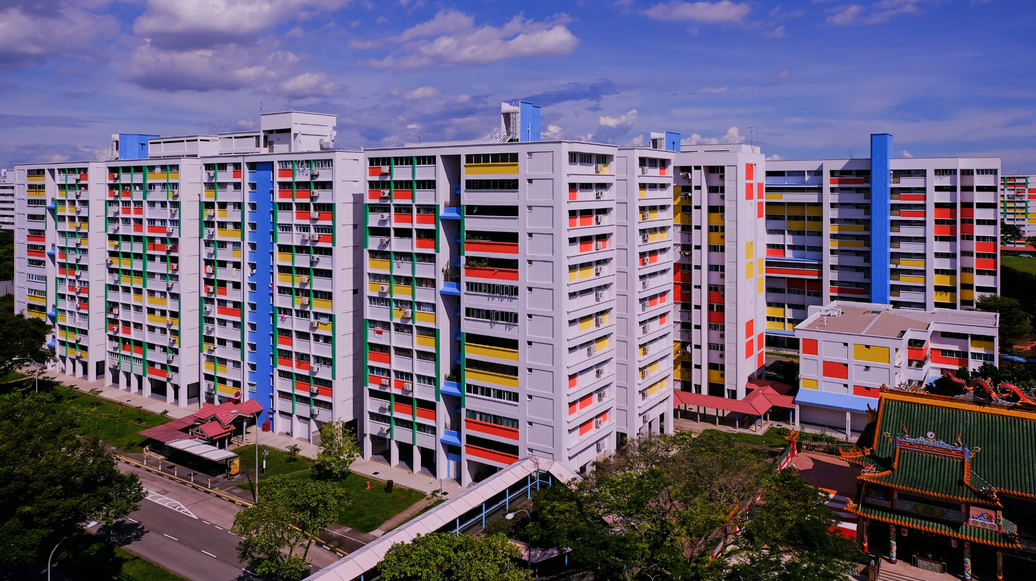
If this sounds familiar, you're not imagining it. Singapore's climate is close to ideal for mold, and once you understand why, it gets much easier to keep it under control.
A quick note on spelling: this post uses "mold," the spelling most common in Singapore. If your audience searches for "mold," include both in your headings and text.
What Mold Needs to Grow
Mold is a type of fungus, and its spores are everywhere, in the air indoors and outdoors. They're usually harmless until they land somewhere with the right conditions. Mold needs just three things:
- Moisture. This is the most important one.
- Something to feed on. Mold feeds on organic material like food, paper, wood, fabric, leather, and even dust and skin oil.
- Warmth. Most household mold grows well at everyday room temperatures.
Take away the moisture, and the rest doesn't matter much. That's the problem in Singapore.
Why Singapore Is Mold's Favourite Place
The Climate Never Takes a Break

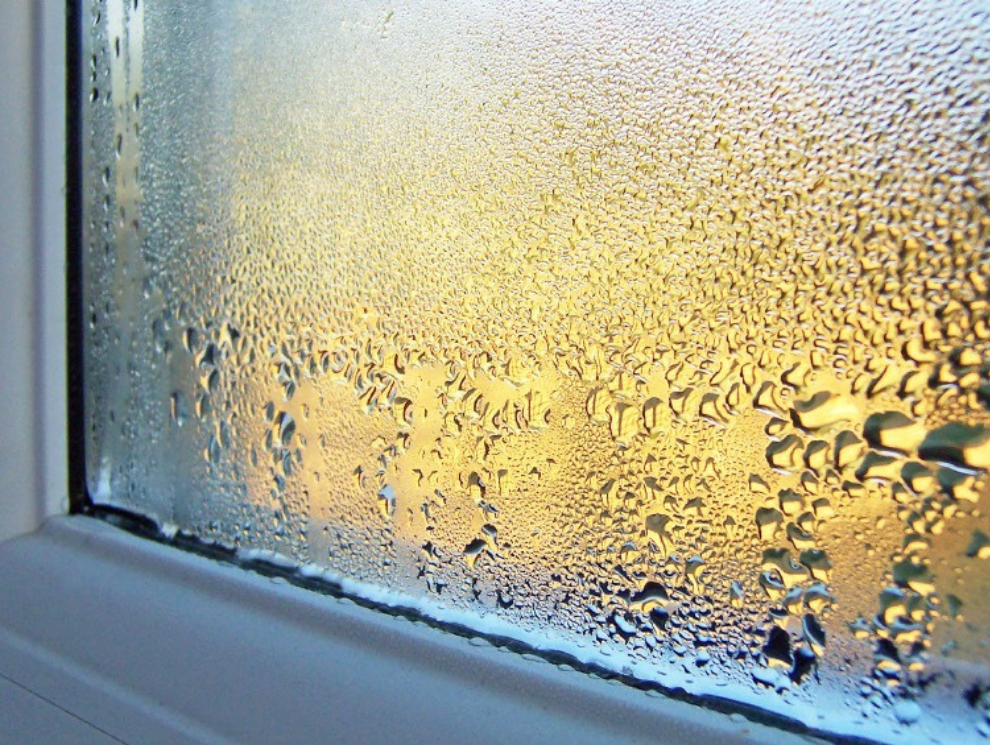
Singapore sits near the equator, so it's warm all year, with high humidity that stays high through every season. Relative humidity here commonly sits around 80% or higher, and it often climbs even higher at night and after rain. As a rough rule, mold starts to thrive once indoor humidity stays above around 60%, so Singapore's everyday air is already well into mold territory.
There's also no cold, dry season to give things a break. In many countries, winter brings drier air that slows mold down. Here, conditions stay the same year-round.
Homes Trap Moisture

Many Singapore homes are small, and rooms can have limited airflow, especially when windows stay closed with the air conditioning on. Moisture from showers, cooking, laundry drying indoors, and even breathing builds up and has nowhere to go. Places like wardrobes, storerooms, and the space under beds are especially prone, because the air doesn't move.
Air Conditioning Has a Catch

Air conditioning removes humidity and helps a lot while it's running. But when it's switched off or used only part of the day, humidity returns quickly. Aircon units can also grow mold inside the unit itself if they aren't serviced regularly, since they stay damp.
The Usual Suspects: What Grows Mold in Singapore
- Food, especially bread, fruit, and anything left out or stored in a warm cupboard.
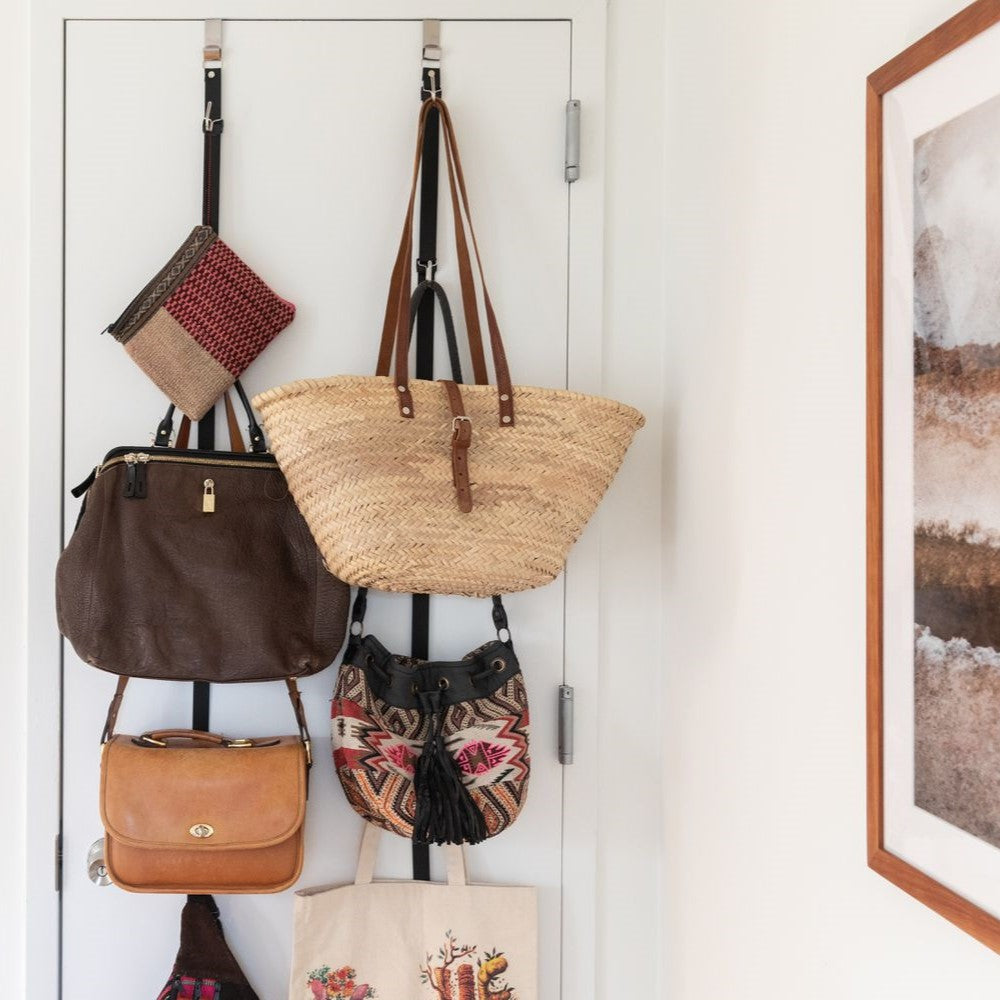
- Leather goods, like shoes, bags, belts, and wallets, particularly if they're stored in closed wardrobes.
- Clothing and bedding that wasn't fully dry when it was put away.
- Bathroom ceilings, walls, and silicone sealant, where steam and splashes keep surfaces damp.
- Wooden furniture and books, which absorb moisture slowly over time.
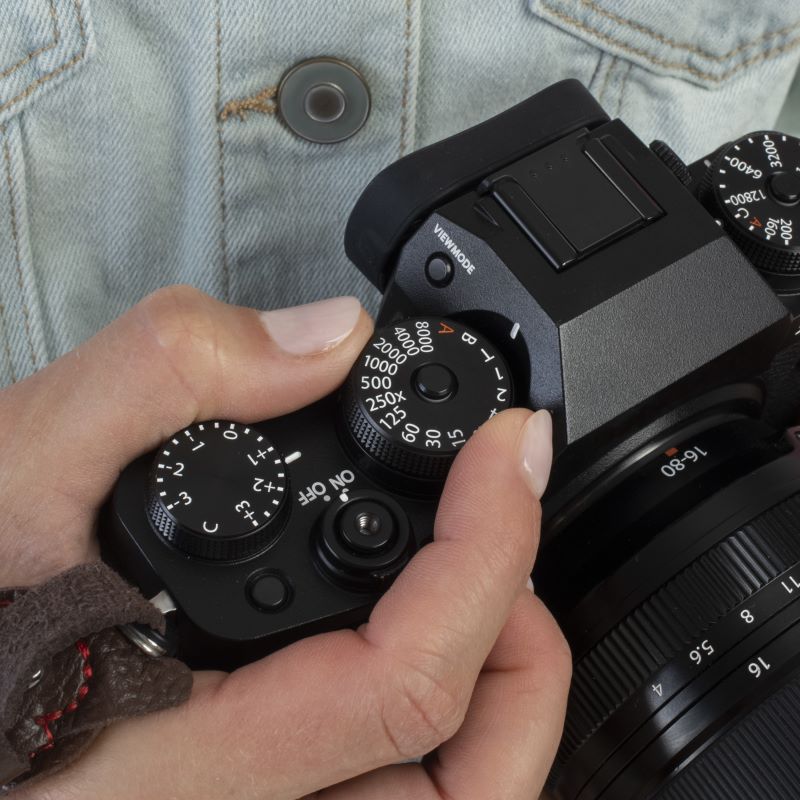
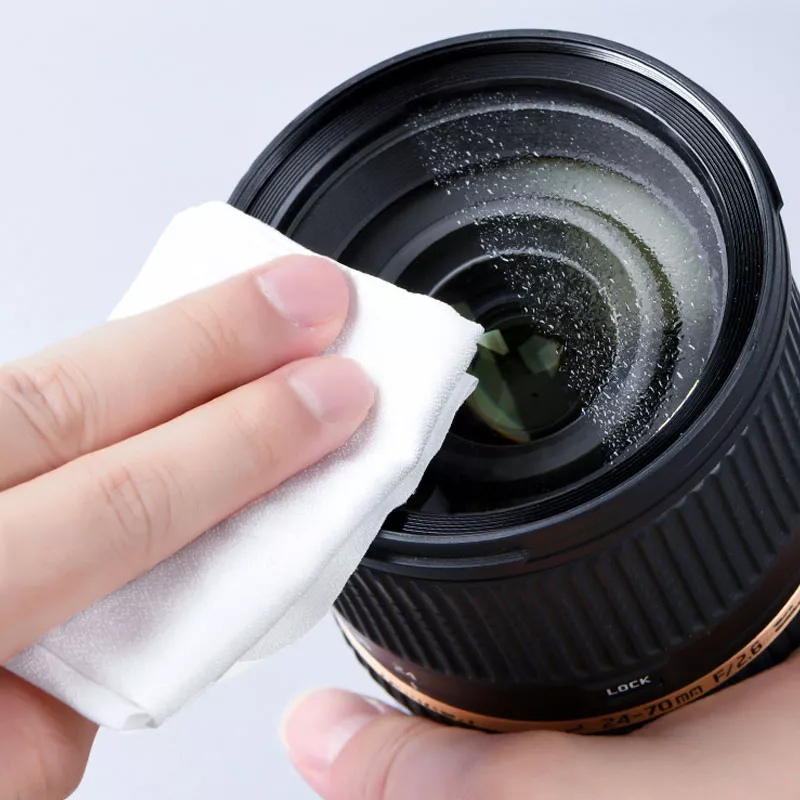
- Camera gear and electronics, where lens fungus can form inside the glass. Our post on why a DSLR smells musty after sitting unused covers this in detail.
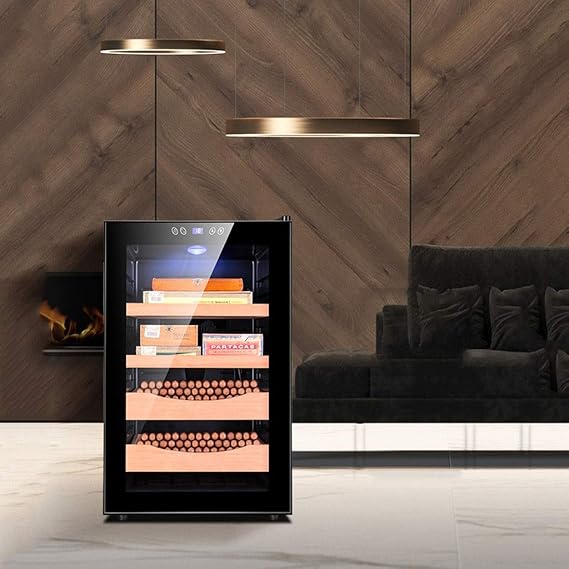
- Wine storage, where humidity can affect labels and corks, and warmth can speed up spoilage.
How to Stop Mold in Your Home

Lower the Humidity
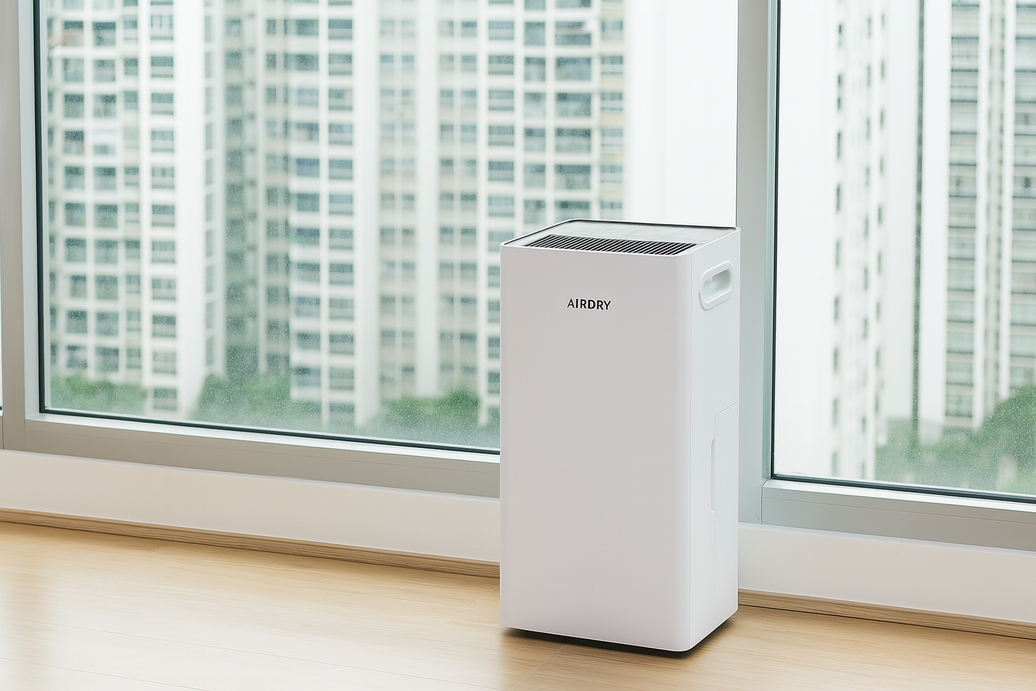
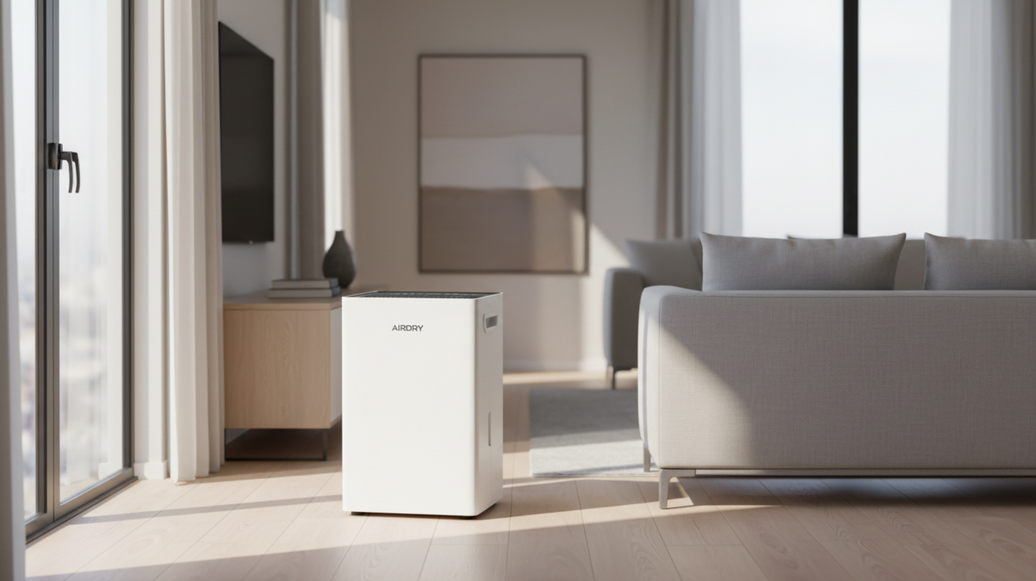
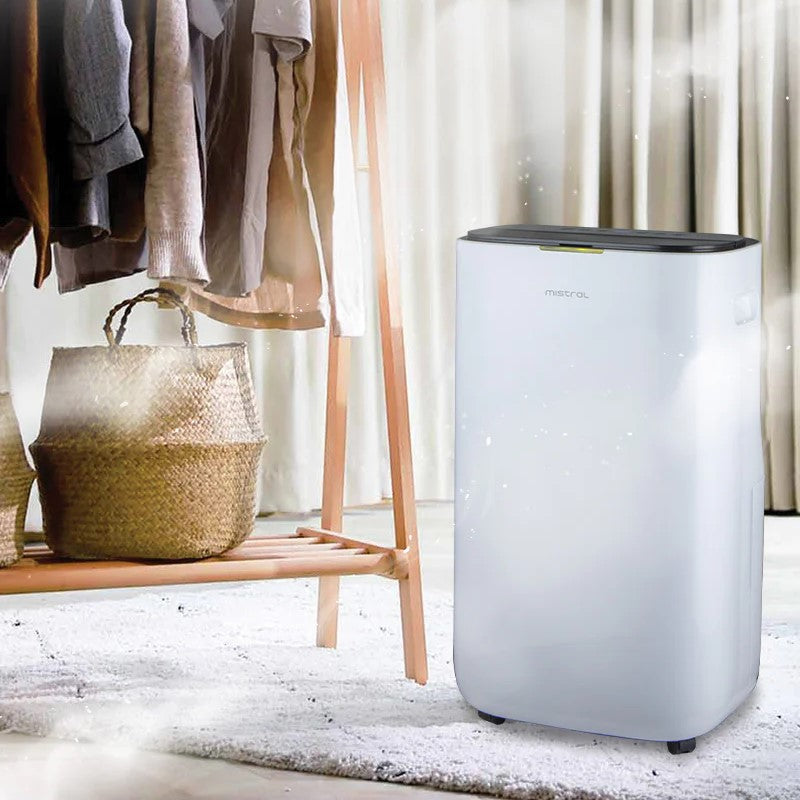
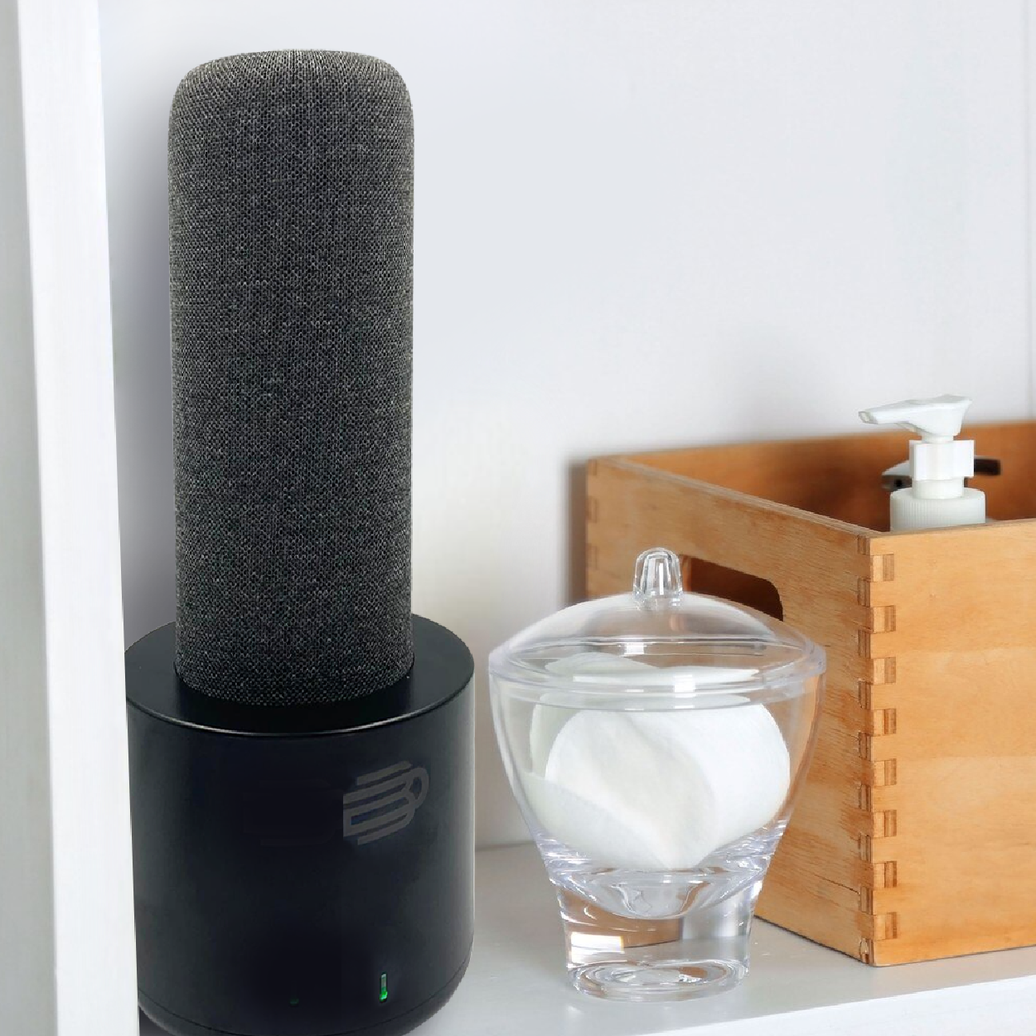
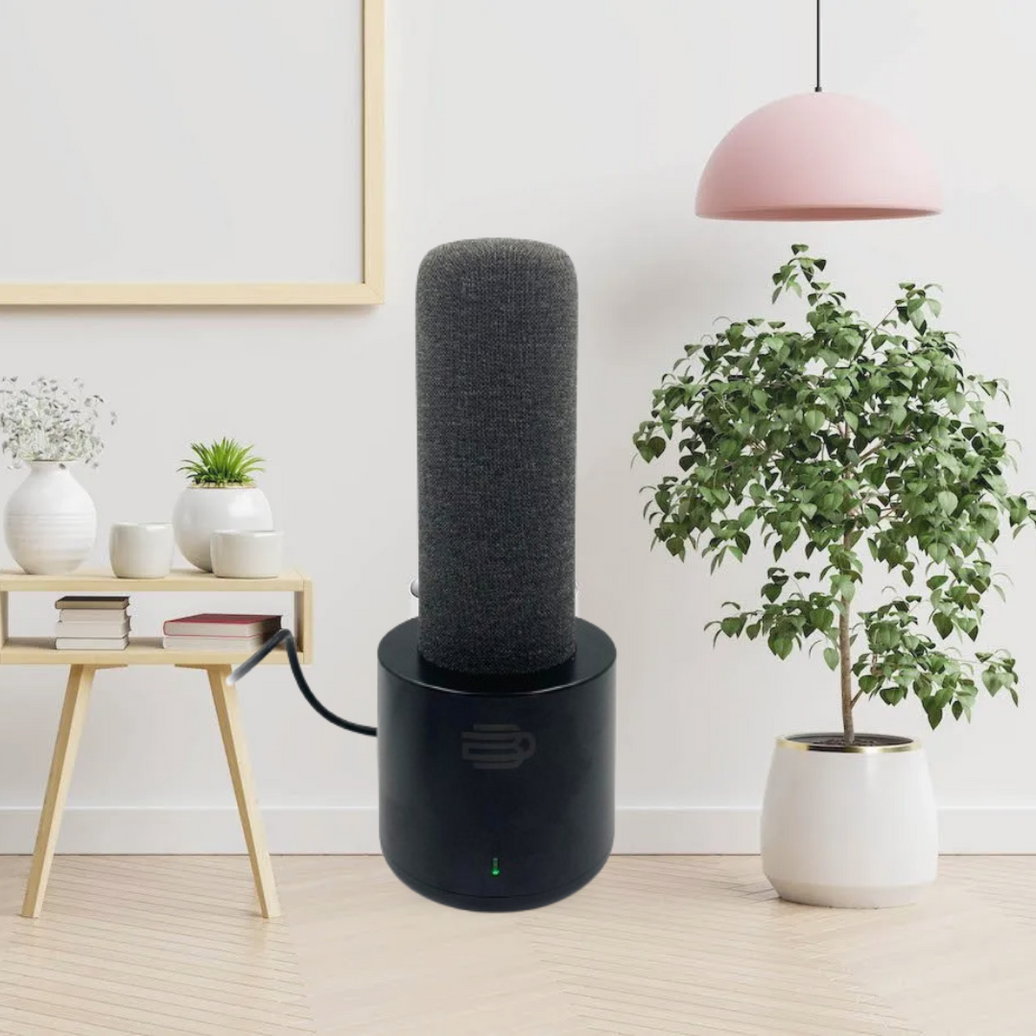
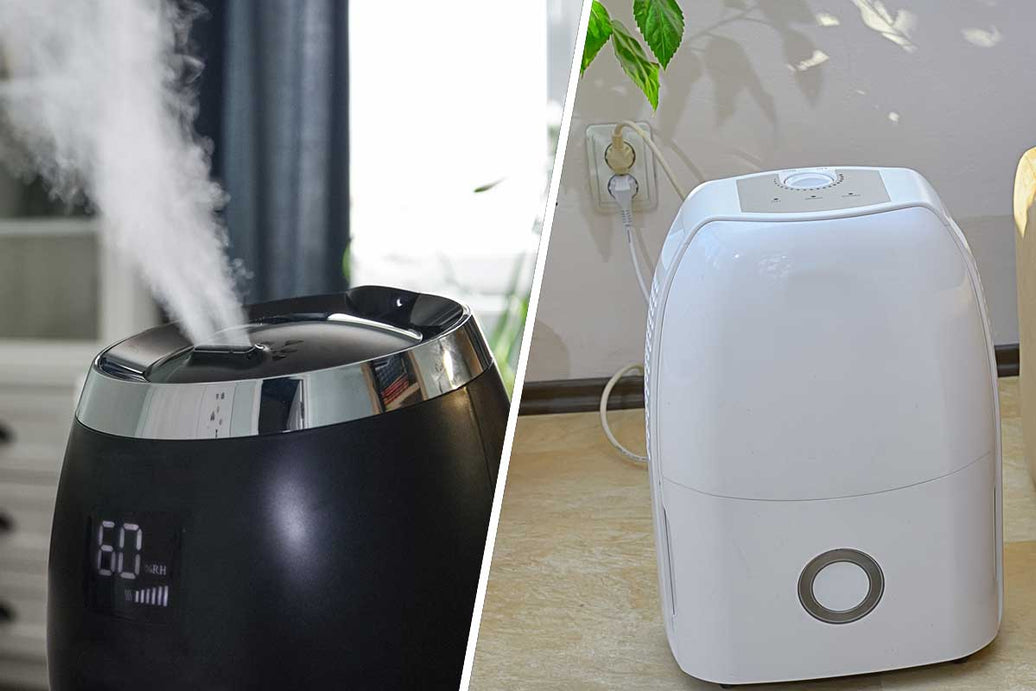
- Use a dehumidifier, especially in bedrooms, storerooms, and anywhere you store things for long periods. It's one of the most effective tools in a humid climate.
- Run the air conditioning regularly, or use its dry mode, since it pulls moisture out of the air.
- Aim for indoor humidity below about 60%. A small, inexpensive hygrometer will tell you where you stand.
Improve Airflow

- Open windows and use fans when it isn't raining, to move air through the home.
- Leave wardrobe and cabinet doors slightly open from time to time, and avoid cramming them full.
- Keep furniture a few centimetres away from walls, so air can flow behind it.
- Use the exhaust fan in the bathroom and kitchen, and leave it running a while after you finish.
Protect the Things You Store

- Make sure everything is completely dry before you put it away, including clothes, towels, and shoes.
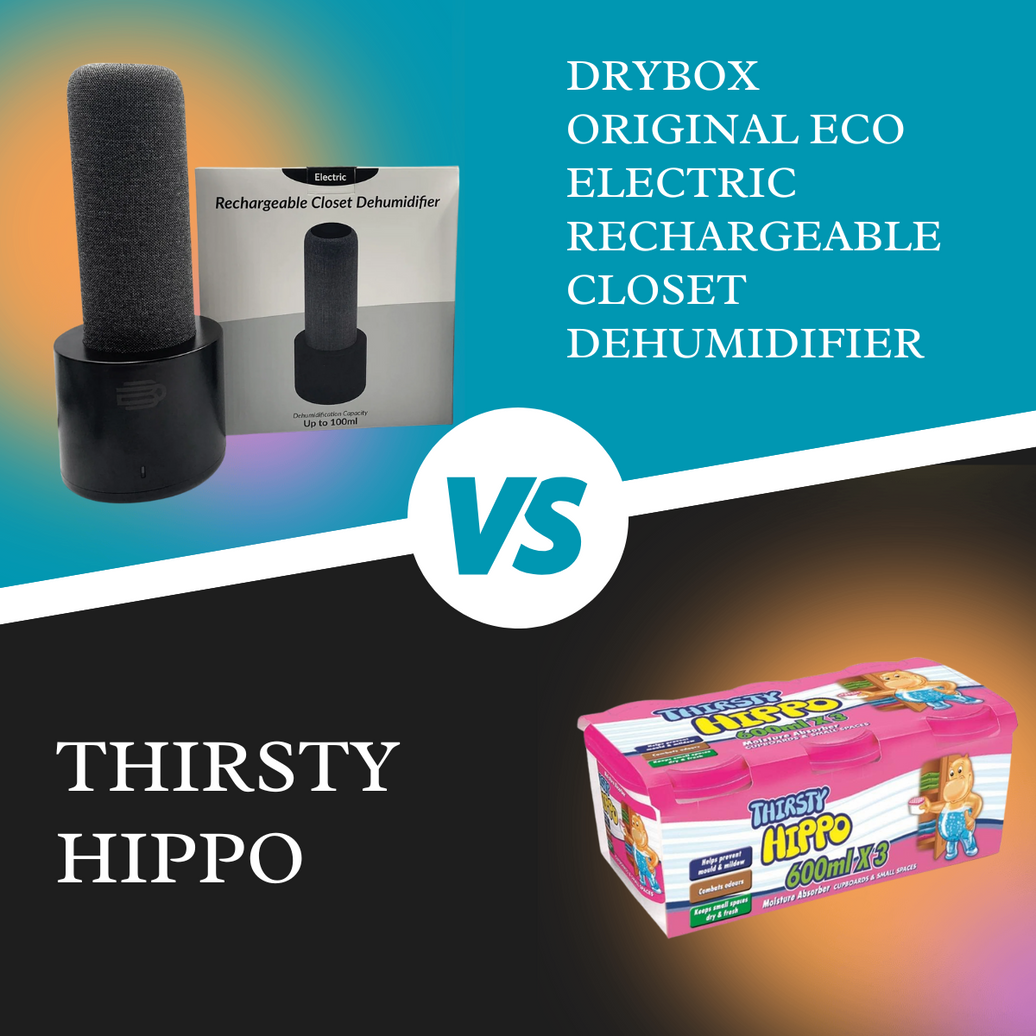
- Use moisture absorbers like silica gel, charcoal bags, or dehumidifier boxes in wardrobes and cabinets, and replace them when they're full.
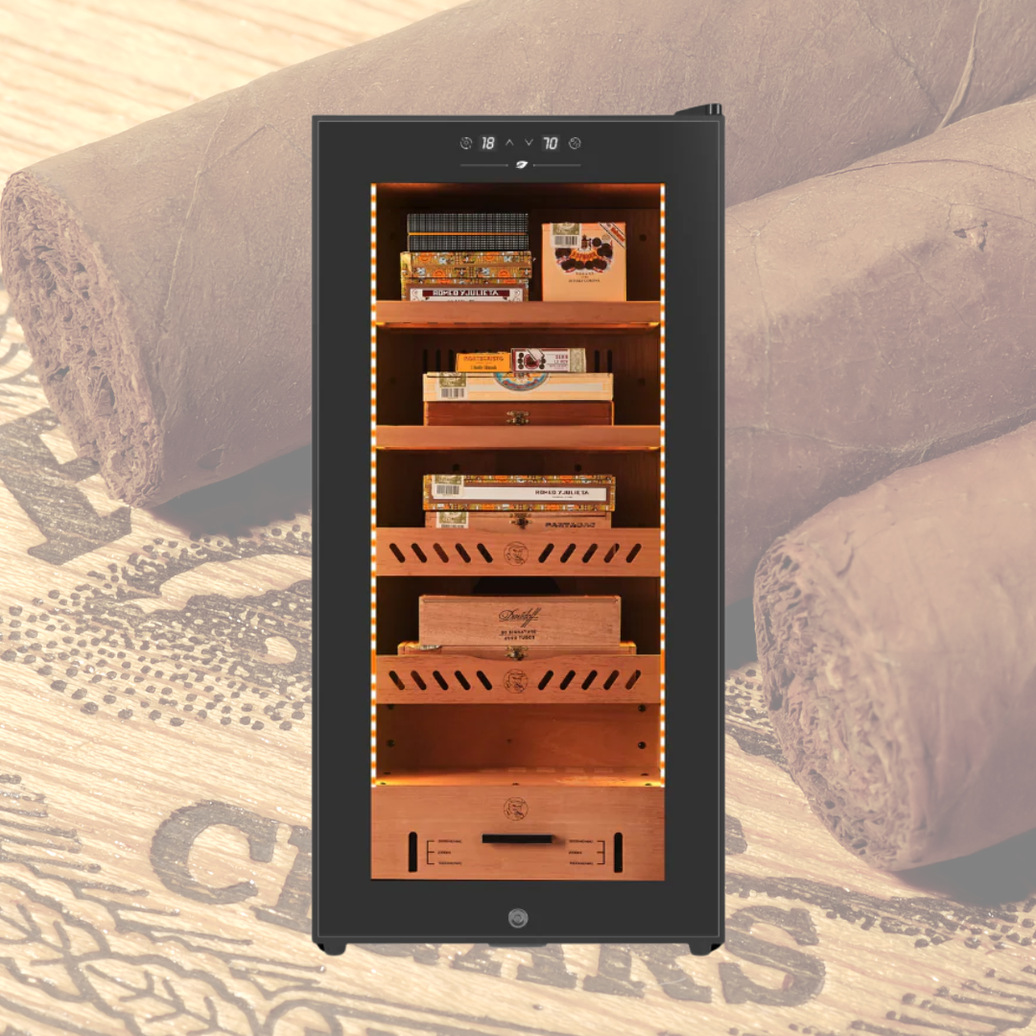
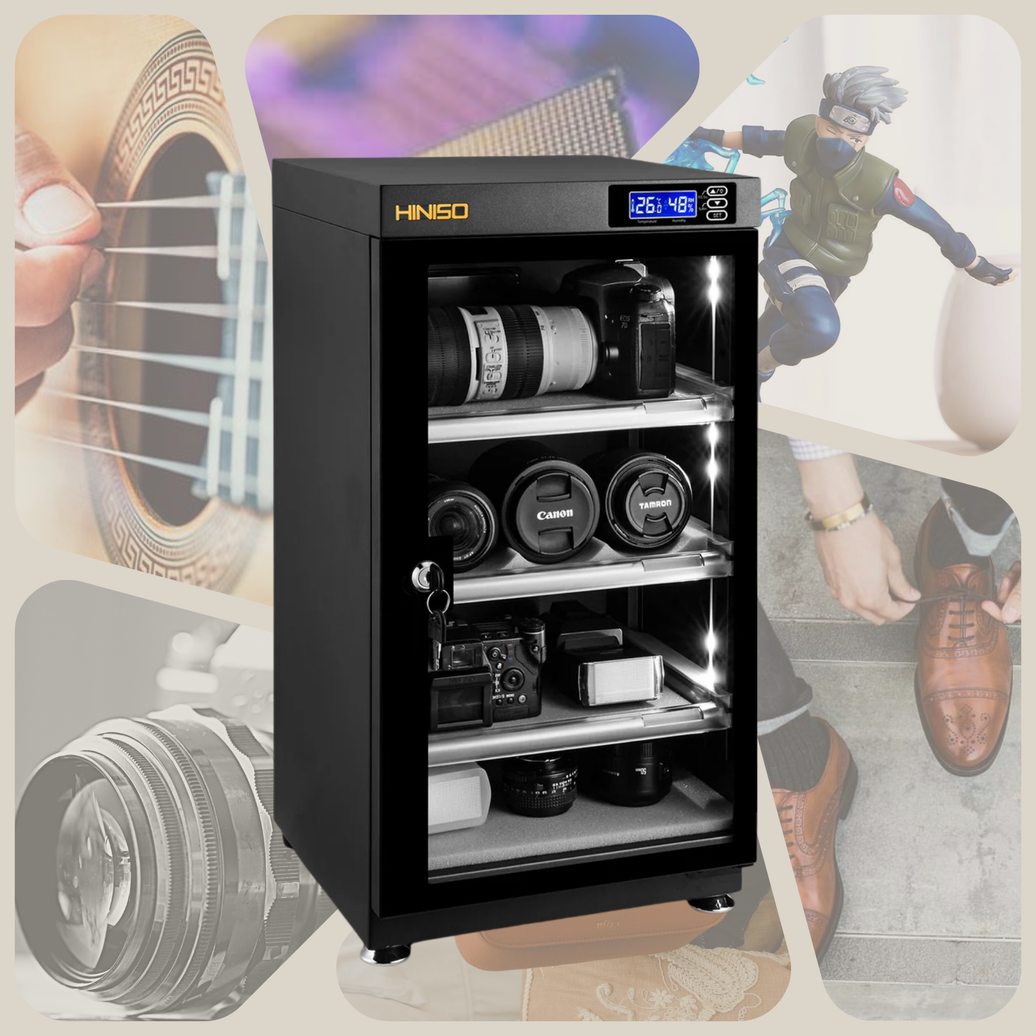
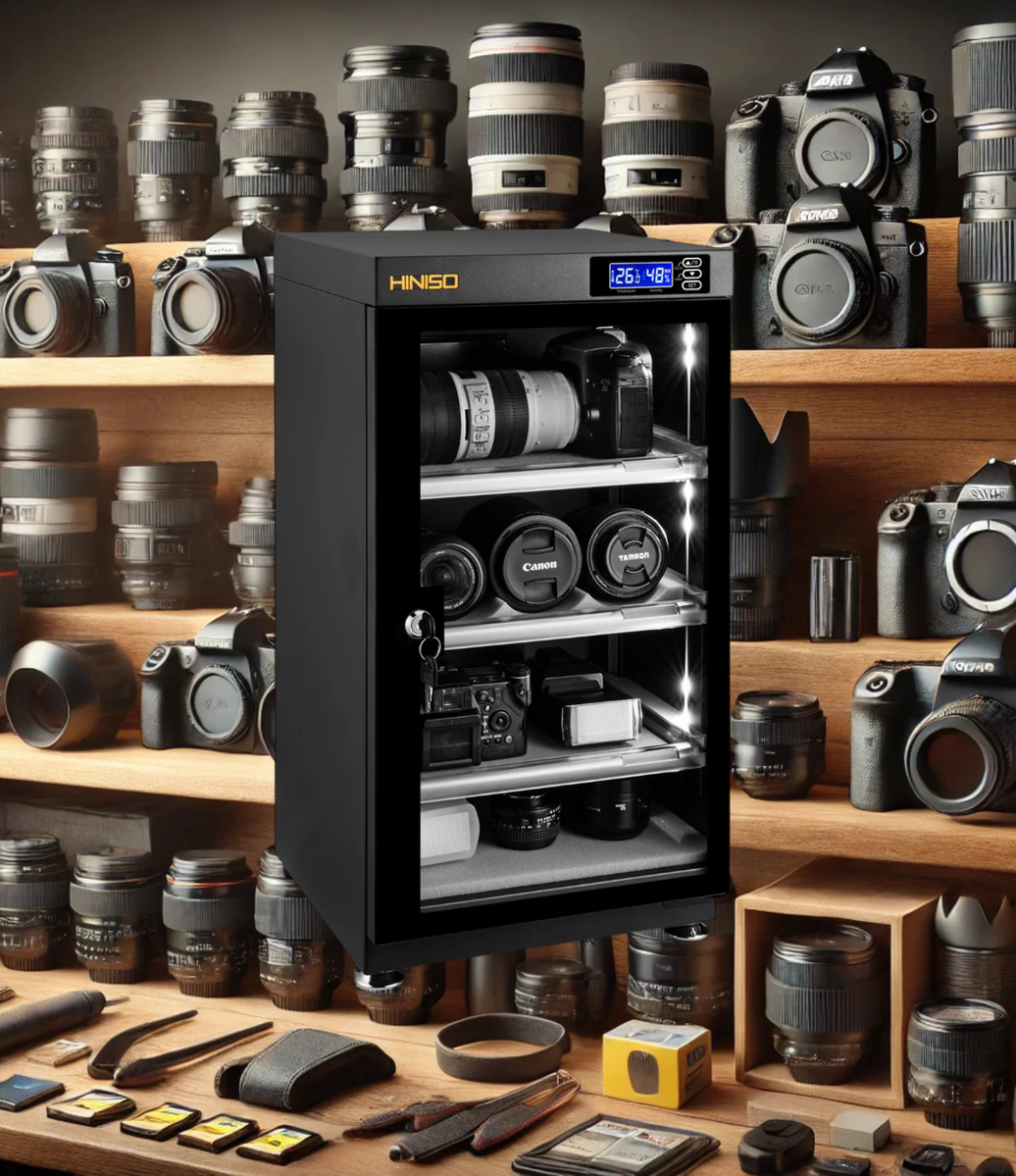
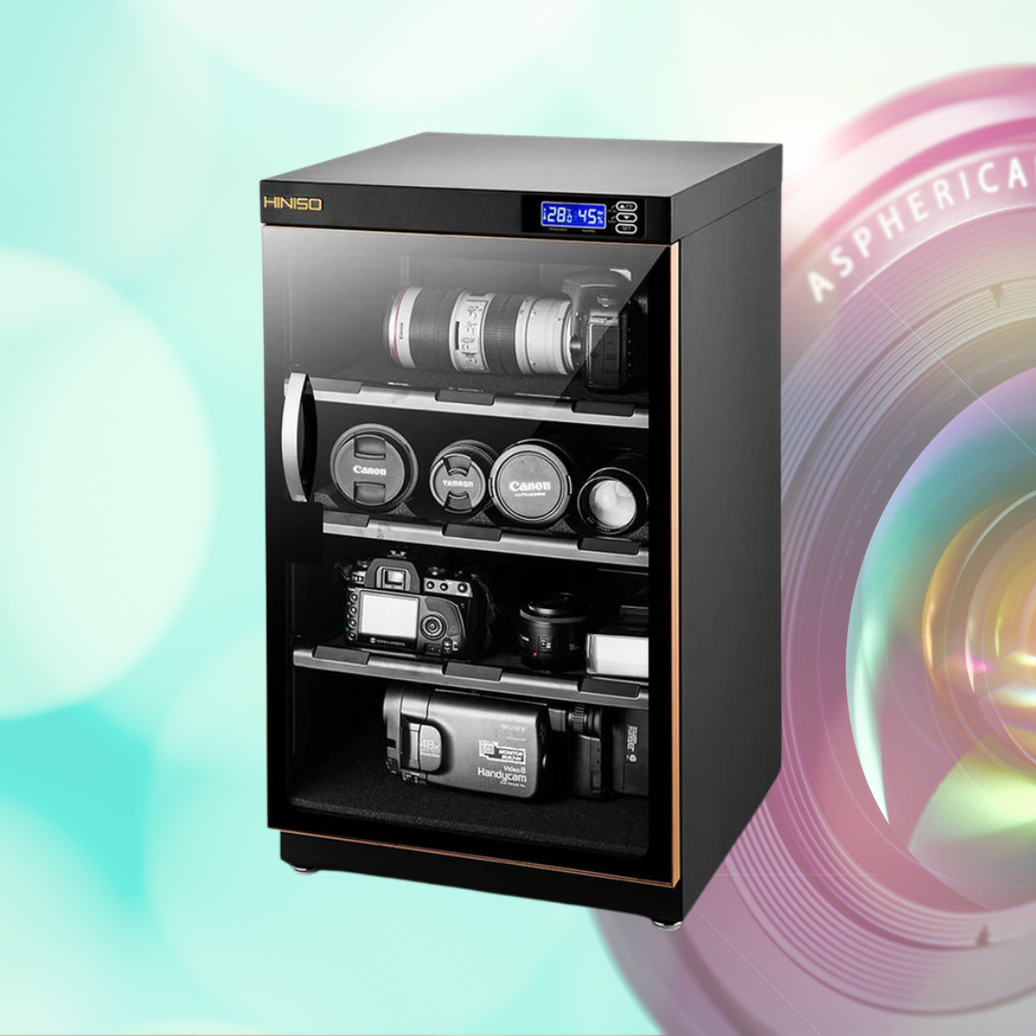
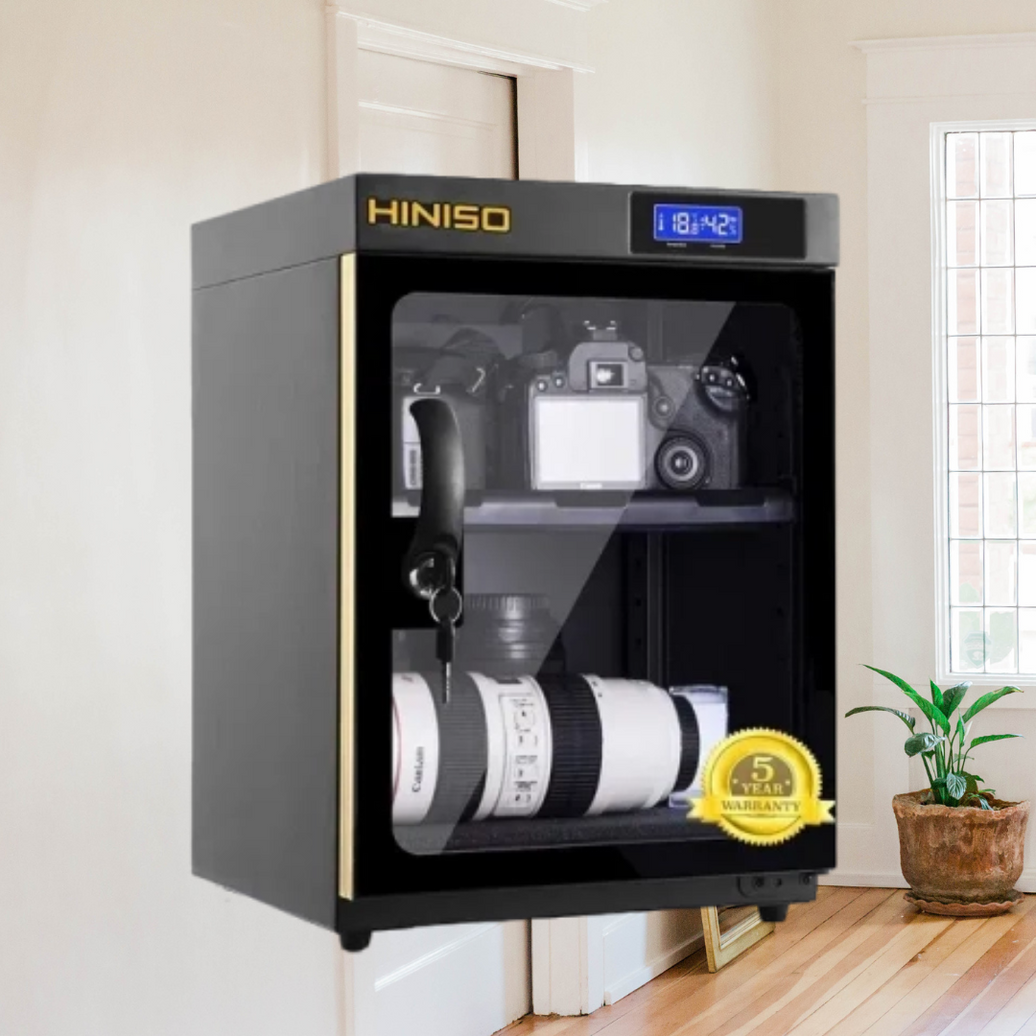
- Use a dry cabinet for valuable items like cameras, lenses, and leather goods. Our guide on whether you need a dry cabinet if you only own one camera explains when it's worth it.
- Store food in airtight containers and don't leave bread or fruit out in the open.
Deal With Moisture Sources
- Fix leaks promptly, since a damp wall or ceiling is a permanent invitation to mold.
- Wipe down wet surfaces in the bathroom after showering.
- Dry laundry in a well-ventilated area, or use a dryer, instead of in a closed room.
- Get your aircon serviced regularly so the unit doesn't become a mold source.
How to Clean Mold You Already Have

- Wear gloves and a mask, and ventilate the area.
- For hard surfaces, wipe with a cloth and a diluted cleaning solution or a mold remover made for the purpose. White vinegar works on light mold. Never mix bleach with vinegar or other cleaners, because it can create harmful fumes.
- For fabric and leather, follow the care instructions, and consider professional cleaning for valuable items.
- Dry the area fully afterwards, or the mold will return.
- Call a professional if the mold covers a large area (a rough guide is more than about one square metre), keeps coming back, or the cause is a hidden leak.
Mold can aggravate allergies and asthma, so if anyone in your household has breathing problems, take it seriously and deal with it early.
Frequently Asked Questions
Why does mold grow so fast in Singapore? The climate is warm and humid all year, with humidity that commonly sits well above the level mold needs to grow. With no dry season, conditions stay favorable year-round.
What humidity level is safe to prevent mold? Keeping indoor humidity below about 60% makes it much harder for mold to grow. A hygrometer helps you monitor it.
Does air conditioning stop mold? It helps by lowering humidity while it runs, but mold can return quickly once it's off, and the aircon unit itself can grow mold if it isn't serviced.
Is a dehumidifier worth it in Singapore? For many homes, yes, particularly in bedrooms and storerooms with poor airflow. It makes the biggest difference in enclosed spaces.
Is mold dangerous? Small amounts are usually a nuisance, but mold can trigger allergies and asthma in some people. Large or recurring growth should be treated seriously and, if needed, by a professional.
The Takeaway
Mold grows fast in Singapore because the warm, humid climate gives it everything it needs, all year long. You can't change the weather, but you can lower the humidity in your home, keep air moving, store belongings dry, and fix moisture problems early. A few habits are usually enough to keep your home, and everything in it, mold-free.
Protect the things you care about from humidity. See our dry cabinet collection →