Choosing a Bambu Lab 3D Printer Made Simple
Buying a 3D printer can feel confusing at first. There are different model names, different sizes, different features, and add-ons like AMS systems for multi-colour printing.
The good news is, you do not need to understand every technical detail to choose the right printer.
The easiest way is to ask yourself:
What do I want to print, and how often will I print?

If you are printing small toys, models or school projects, a compact model may be enough. If you want to print bigger parts, prototypes or business samples, a more advanced model will make more sense. If you want multi-colour prints, then AMS support becomes important.
This guide will help you understand the main Bambu Lab 3D printer options in a simple, shopper-friendly way.
Quick Comparison: Which Model Fits You?
| Model | Best For | Why Choose It |
|---|---|---|
| A1 Mini | Beginners, kids, students, small prints | Compact, easy to start, good for simple projects |
| A1 | Home users, hobbyists, education | Bigger than A1 Mini, still beginner-friendly |
| P1S | Serious hobbyists, practical prints | Enclosed design, better for more material types |
| P2S | Frequent users, creators, small businesses | More refined workflow for regular printing |
| A2L | Bigger projects and larger prints | More build space for larger ideas |
| H2D | Advanced users and production work | High-performance printing for bigger workloads |
| H2C | Multi-colour and multi-material users | Better for complex, creative or business prints |
| X2D | Professional and technical users | Advanced option for serious workflows |
| H2D Pro | Businesses and professional teams | Built for higher output and consistent results |
| AMS HT | Filament handling and drying support | Helps manage more demanding filament workflows |
For Beginners: A1 Mini

The Bambu Lab A1 Mini is a great choice if you are new to 3D printing and want something simple to start with.
It is compact, desk-friendly and easy to use. It works well for small prints such as toys, figurines, accessories, school projects, simple parts and creative decorations.
Choose the A1 Mini if you want:
- A beginner-friendly machine
- A smaller printer for home or classroom use
- A more affordable starting point
- Simple and fun 3D printing projects
This is a good first printer for users who want to try 3D printing without going too big too soon.
For Home and Hobby Use: A1

The Bambu Lab A1 is a better option if you like the simplicity of the A1 Mini but want more printing space.
It is still easy to use, but it gives you more room for larger models or multiple small parts in one print. This makes it suitable for home users, hobbyists, students and makers who want more flexibility.
Choose the A1 if you want:
- More print space than the A1 Mini
- A beginner-friendly experience
- A good all-rounder for home projects
- Creative prints, models, accessories and prototypes
For many first-time buyers, the A1 is a balanced choice because it is simple enough to start with but not too limited.
For Serious Hobbyists: P1S

The Bambu Lab P1S is a strong choice if you want to go beyond basic printing.
Because it has an enclosed design, it gives a more stable printing environment compared to open-frame printers. This is useful when printing more practical parts or working with materials that need better temperature control.
Choose the P1S if you want:
- An enclosed printer
- Better material flexibility
- Stronger functional prints
- A more serious setup for regular use
The P1S is suitable for users who already know they will print often and want something more capable than an entry-level model.
For Regular Printing: P2S

The Bambu Lab P2S is suitable for users who print frequently and want a smoother, more efficient workflow.
This type of model makes sense for creators, educators, prototype makers and small businesses that need consistent results. If you print regularly for projects, products or samples, a more refined machine can save time and reduce frustration.
Choose the P2S if you want:
- A better everyday printing workflow
- Reliable results for frequent use
- A printer suitable for creators or small businesses
- More confidence for repeated projects
This is a good choice when 3D printing is becoming more than just an occasional hobby.
For Bigger Prints: A2L

The Bambu Lab A2L is useful if your main concern is size.
Sometimes a smaller printer is enough, but if you want to print larger parts, bigger models or multiple items at once, a larger build volume becomes very helpful.
Choose the A2L if you want:
- More build space
- Bigger prototypes
- Larger display models
- More flexibility for future projects
This is suitable for users who already know they need more room to print.
For Advanced Printing: H2D

The Bambu Lab H2D is made for users who need more serious performance.
It is better suited for advanced hobbyists, designers, engineers and small businesses that require higher output and stronger workflow capability.
Choose the H2D if you want:
- Higher-performance printing
- Longer and more demanding print jobs
- A printer for business or production use
- More capability than standard desktop models
This model is more suitable for users who already understand their printing needs and want a machine that can handle more work.
For Multi-Colour and Multi-Material Work: H2C

The Bambu Lab H2C is suitable for users who want to create more complex prints with multiple colours or materials.
This is useful for product samples, creative models, display pieces, branding projects and professional-looking prints.
Choose the H2C if you want:
- Multi-colour printing
- Multi-material printing
- Less manual filament changing
- More efficient creative production
If your prints need to look more eye-catching or use different materials in one project, this type of setup can make the process much easier.
For Professional Workflows: X2D

The Bambu Lab X2D is positioned for users who need advanced printing capability.
It is more suitable for professional users, technical teams, design studios, engineering applications and serious prototype development.
Choose the X2D if you want:
- A professional-grade workflow
- Better support for technical projects
- Consistent results for serious use
- A printer for demanding applications
This is not usually the first printer a beginner would choose, but it can be useful for users who need more control and performance.
For Business and Higher Output: H2D Pro
The Bambu Lab H2D Pro is designed for professional and business users who need reliable printing for regular output.
It is suitable for teams that print prototypes, samples, tools, jigs, fixtures, display parts or custom products.
Choose the H2D Pro if you want:
- A more professional setup
- Higher output capability
- Better reliability for business use
- A printer for regular production work
For businesses, the key benefit is not just speed. It is consistency. A dependable printer helps reduce delays and improves workflow.
What About AMS and AMS HT?

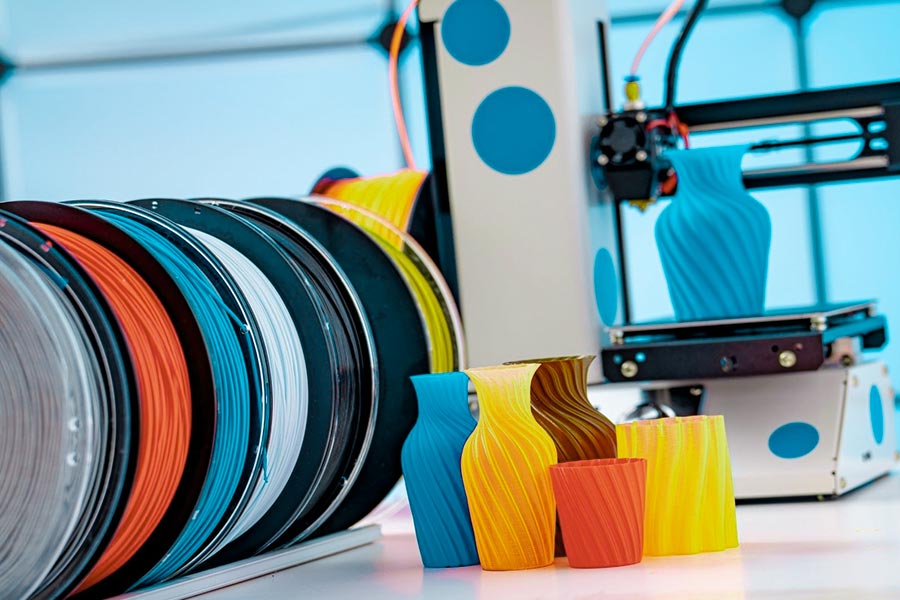
AMS stands for Automatic Material System. It allows compatible Bambu Lab printers to manage multiple filaments more easily.
AMS is useful if you want:
- Multi-colour printing
- Automatic filament switching
- Less manual changing
- Better filament organisation
- Longer prints with less interruption
AMS HT is useful for users working with more demanding filament workflows, especially when filament condition and drying support are important.
Not everyone needs AMS from day one. If you only print single-colour objects, you can start simple. But if you want colourful prints, smoother filament switching or a more organised workflow, AMS is worth considering.
Don’t Forget Filament Storage
Many people focus only on the printer, but filament storage is also important.
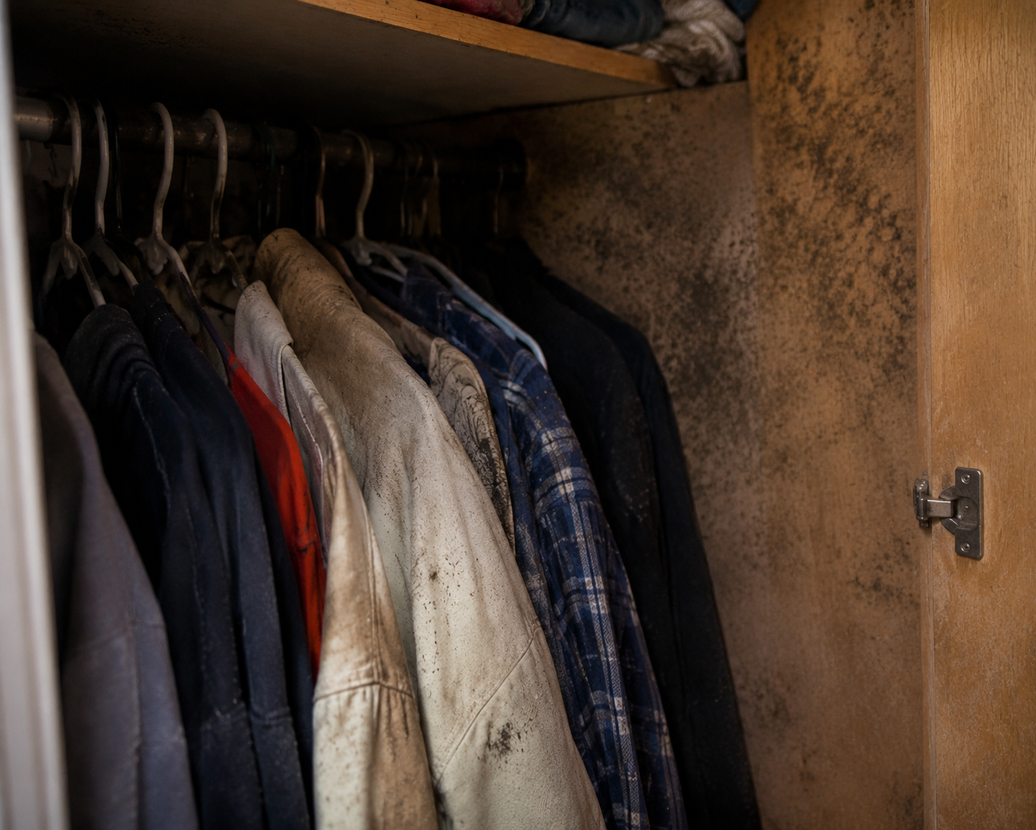
3D printer filament can absorb moisture from the air. When filament becomes damp, it can cause printing issues such as:
- Stringing
- Popping sounds
- Rough surfaces
- Weak layers
- Poor extrusion
- Failed prints
This can happen even when the printer itself is working properly.
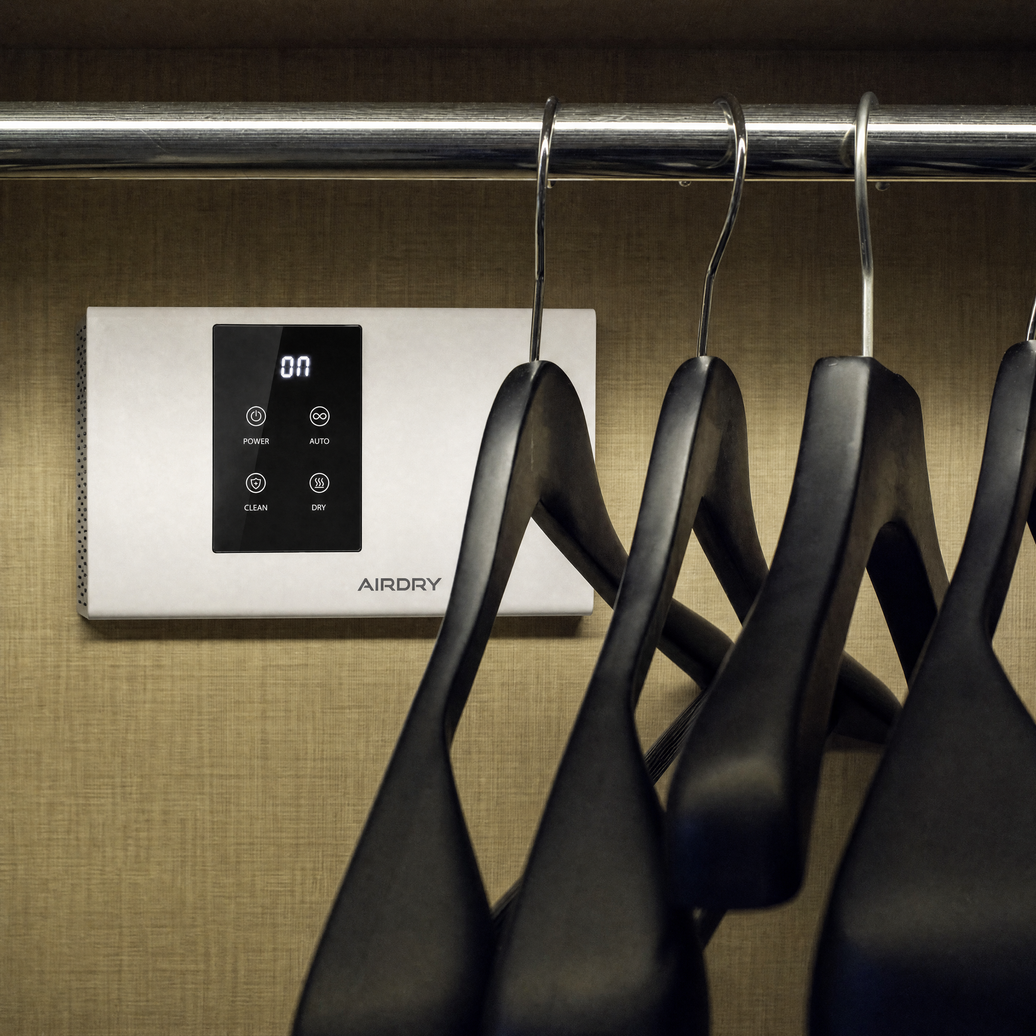
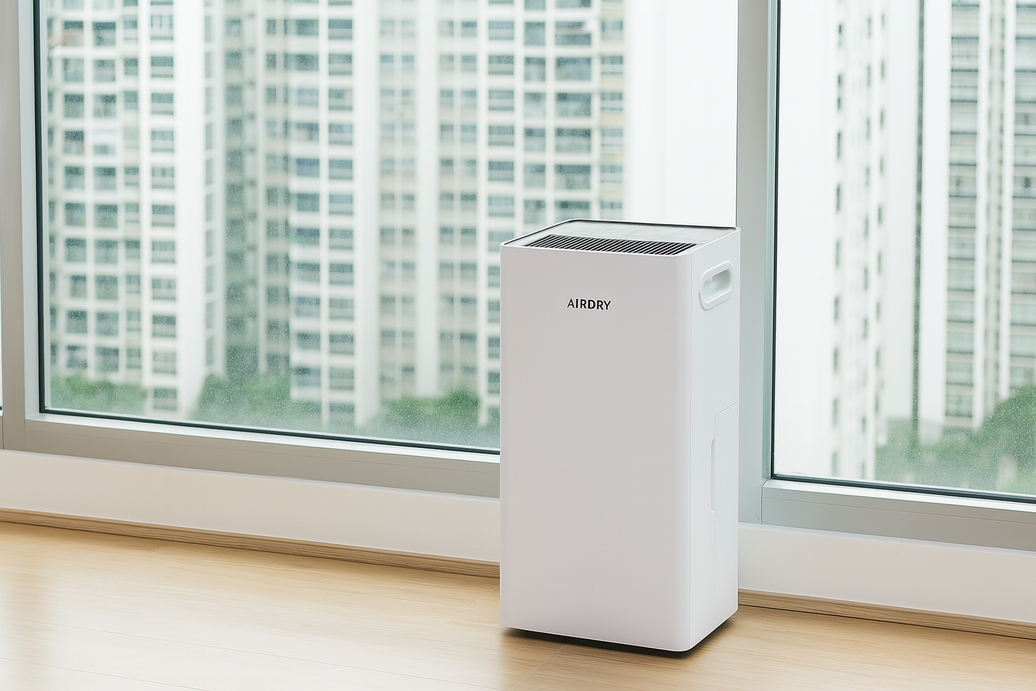
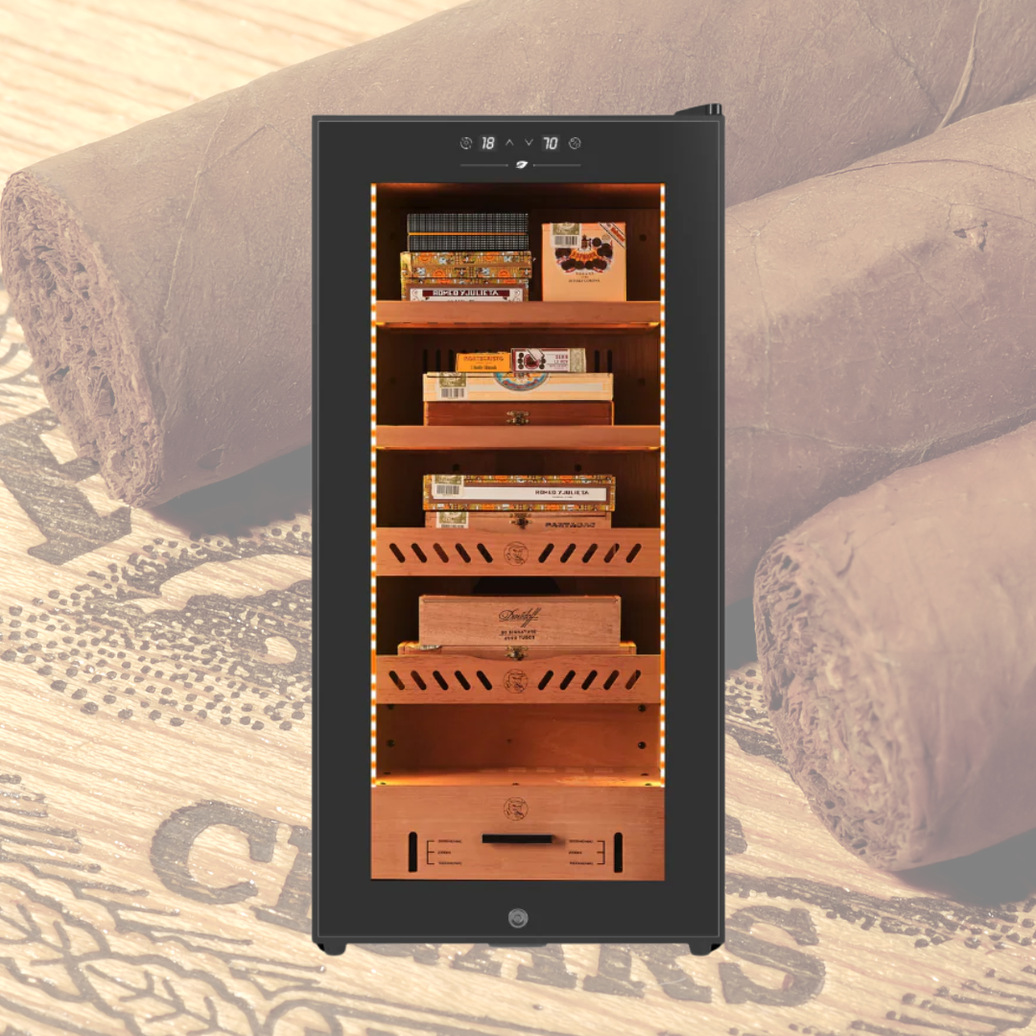
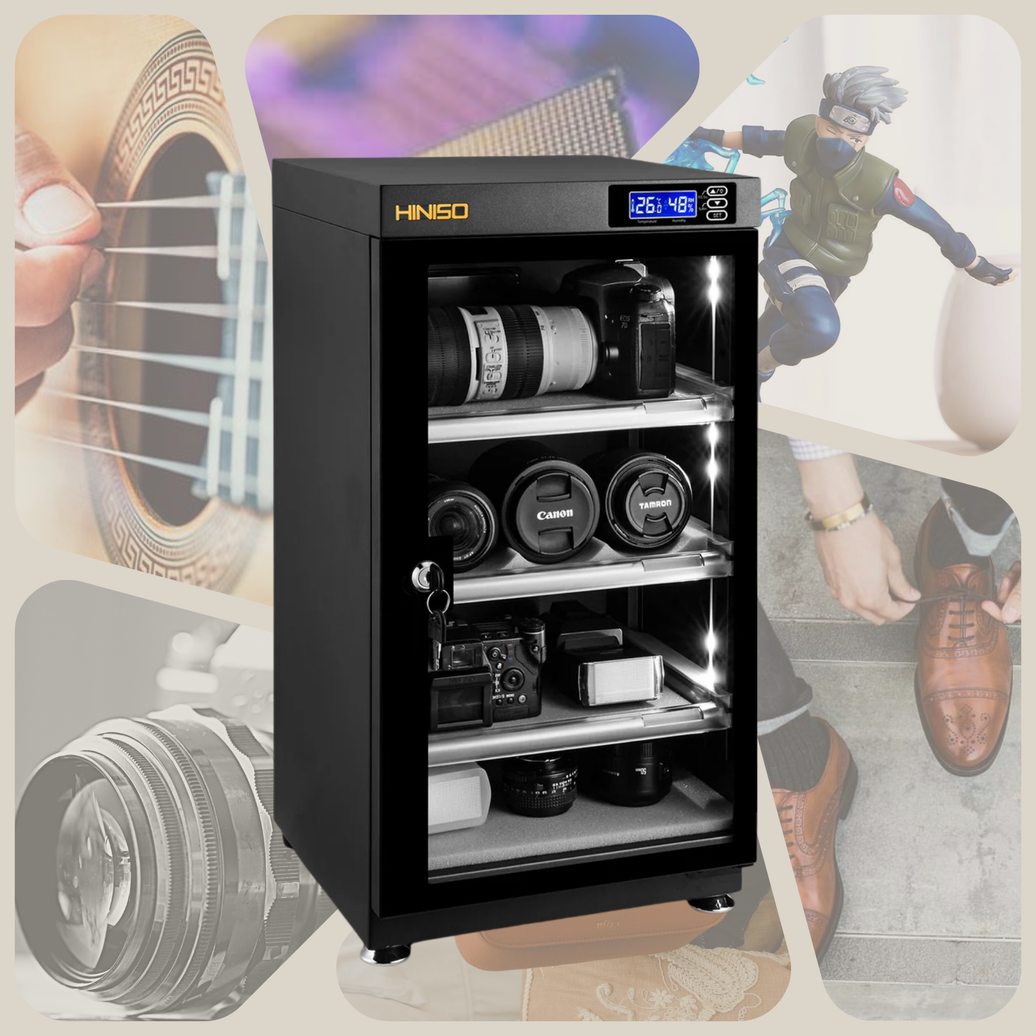
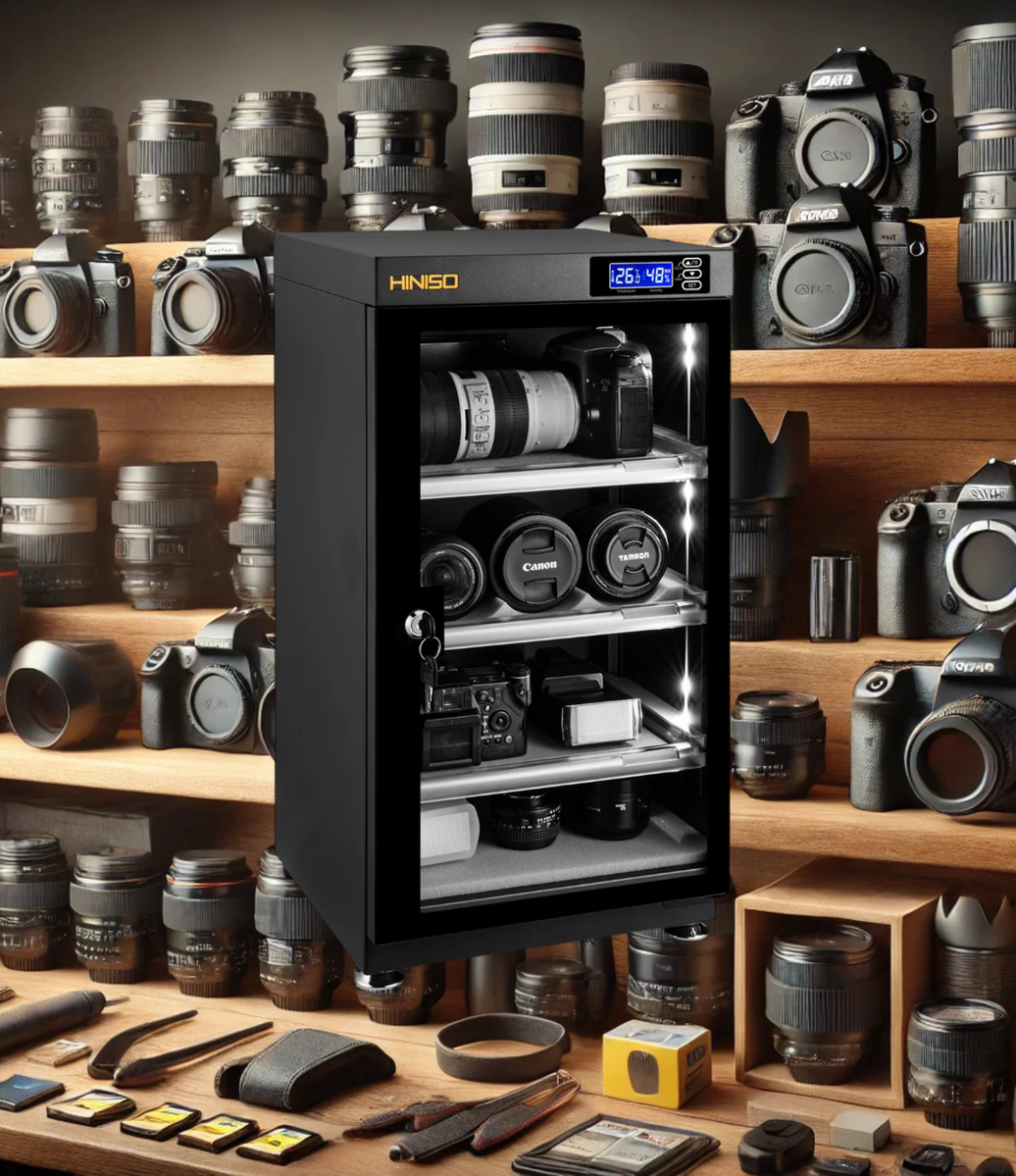
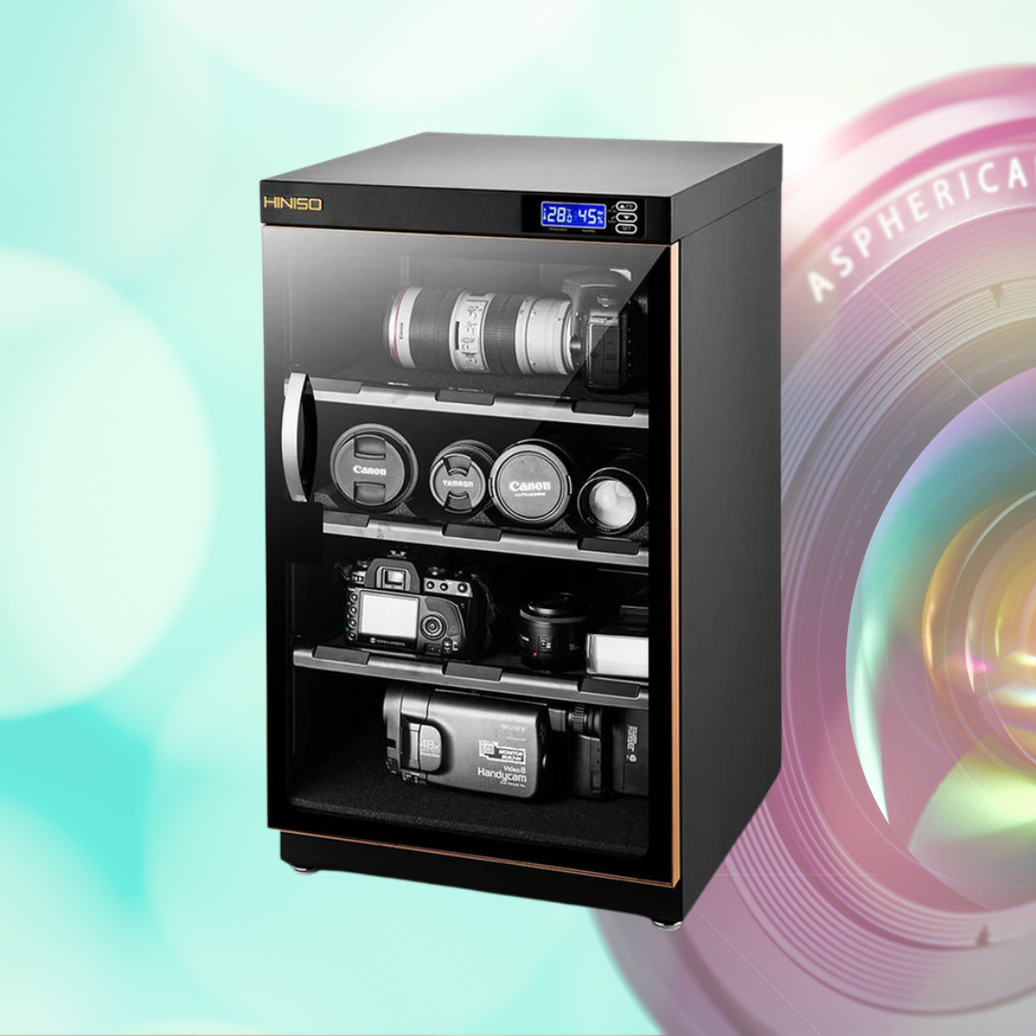
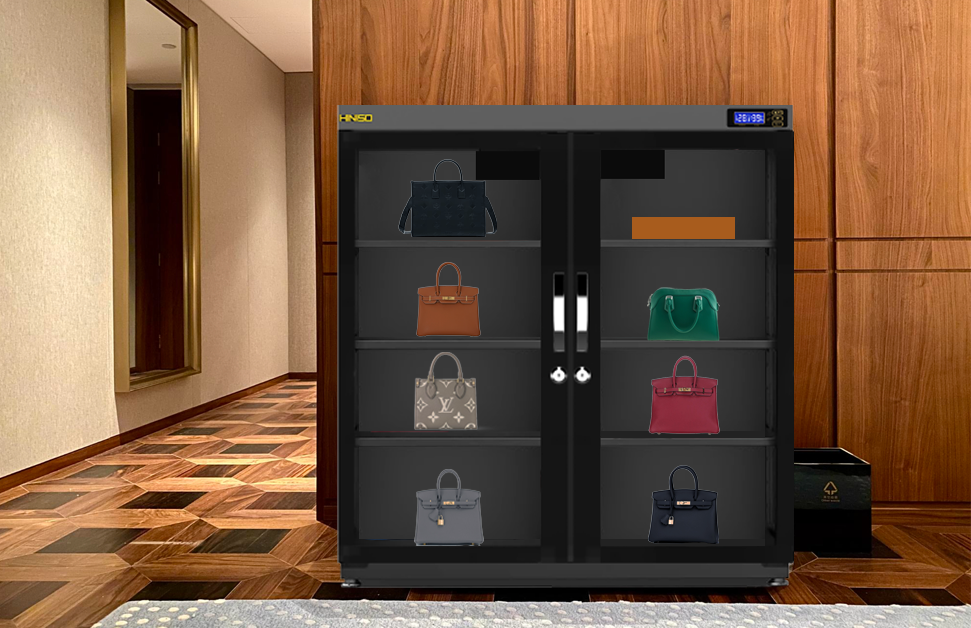
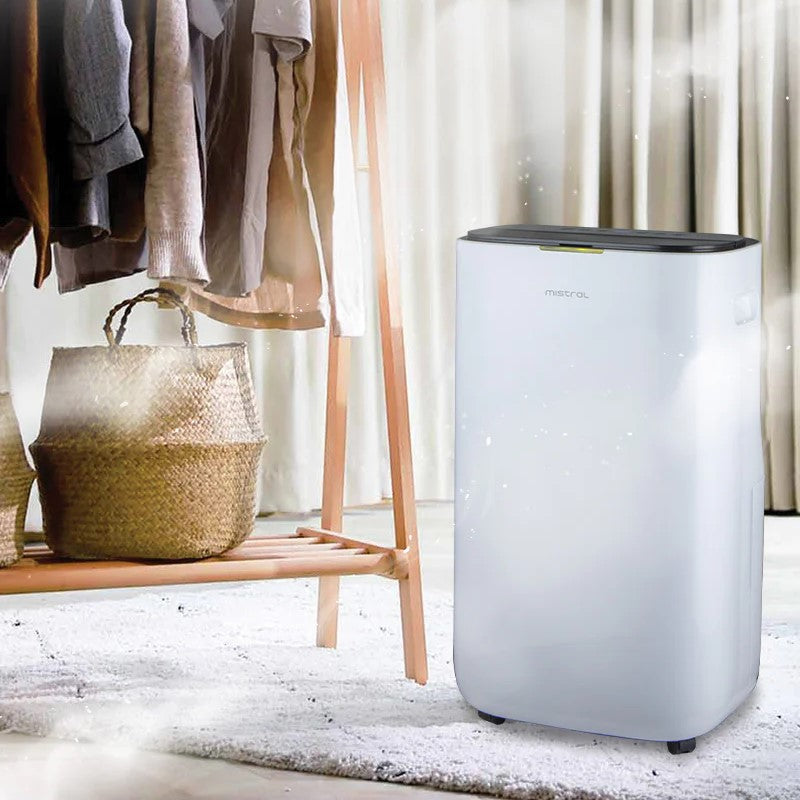
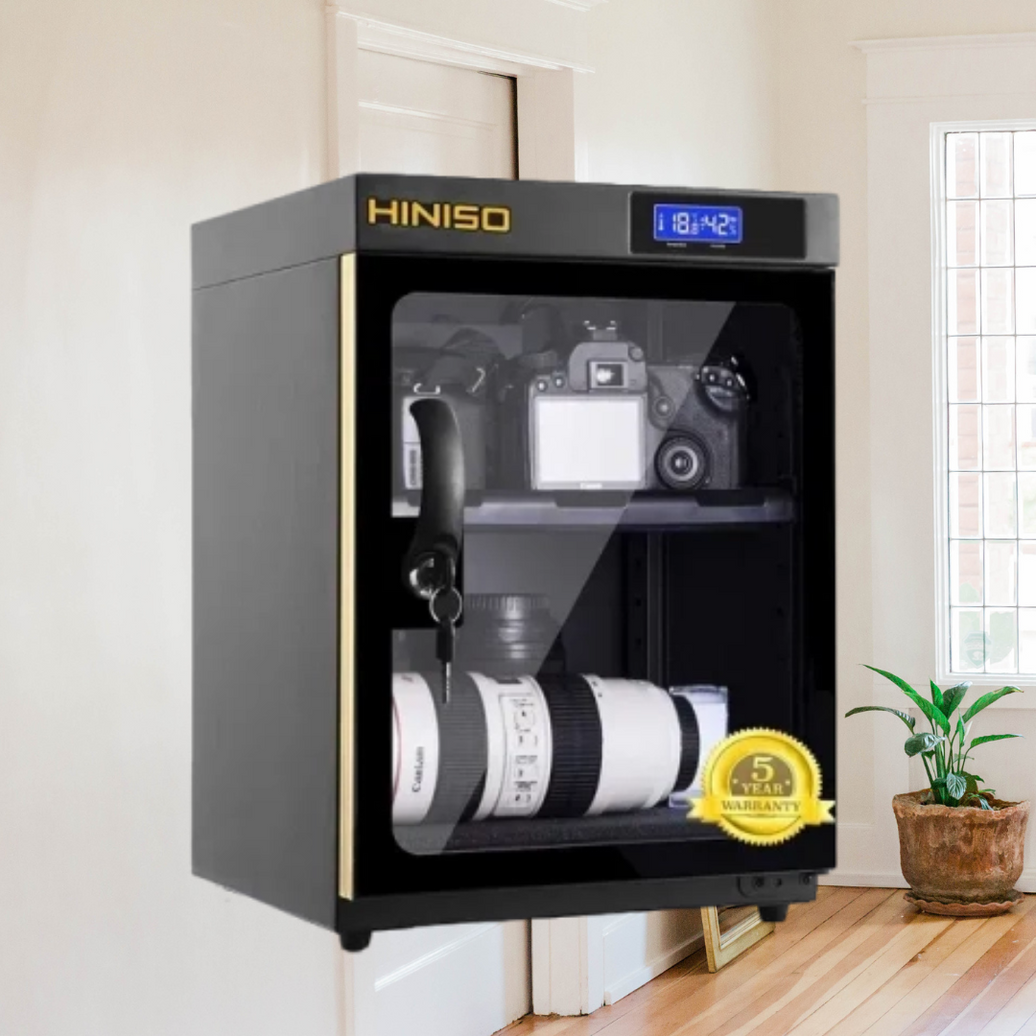
That is why storing filament in a dry cabinet is helpful, especially if you live in a humid environment or own many spools.
A dry cabinet helps keep filaments dry, organised and ready for printing. It is useful for PLA, PETG, TPU, ABS, nylon and specialty filaments.
Suggested Filament Storage RH
| Filament Type | Suggested Storage RH |
| PLA | Around 30%–40% RH |
| PETG | Around 30%–40% RH |
| ABS / ASA | Around 30%–40% RH |
| TPU | Around 25%–35% RH |
| Nylon | Around 15%–25% RH |
| PC | Around 20%–30% RH |
| Carbon Fibre-Filled Filament | Around 20%–30% RH |
For most users, keeping common filaments around 30% to 40% RH is a practical range. More moisture-sensitive materials may need lower humidity.
So, Which Bambu Lab Printer Should You Choose?
Here is the simple way to decide:
Choose A1 Mini if you want a compact and beginner-friendly printer.
Choose A1 if you want a simple home printer with more space.
Choose P1S if you want an enclosed printer for more serious hobby use.
Choose P2S if you print often and want a smoother regular workflow.
Choose A2L if you need bigger print size.
Choose H2D if you need higher performance for advanced projects.
Choose H2C if multi-colour or multi-material printing is important to you.
Choose X2D if you need a more professional and technical setup.
Choose H2D Pro if you are printing for business, production or higher-output work.
Choose AMS HT if you want better filament handling and drying support for demanding materials.
Final Thoughts
Choosing the right Bambu Lab 3D printer does not have to be complicated. Start by thinking about what you want to print, how much space you need, and whether you need single-colour, multi-colour or professional-level printing.
For beginners, the A1 Mini and A1 are easy starting points. For serious hobbyists, the P1S and P2S offer more capability. For larger, advanced or business use, models like the A2L, H2D, H2C, X2D and H2D Pro are better suited.
And no matter which printer you choose, proper filament storage makes a big difference. A good printer performs best when the filament is dry, clean and ready to use.
If you are building a better 3D printing setup, think of it as a full workflow: printer, filament, AMS system and dry cabinet storage all working together.