
Picture this: you pull out a binder you haven't touched since last year, and the cards stick together. Or you open the closet and a box of sealed packs smells faintly of damp. If you collect in Singapore, that's a familiar story, and it usually has nothing to do with how careful you were. It's a matter of where the cards were sitting.
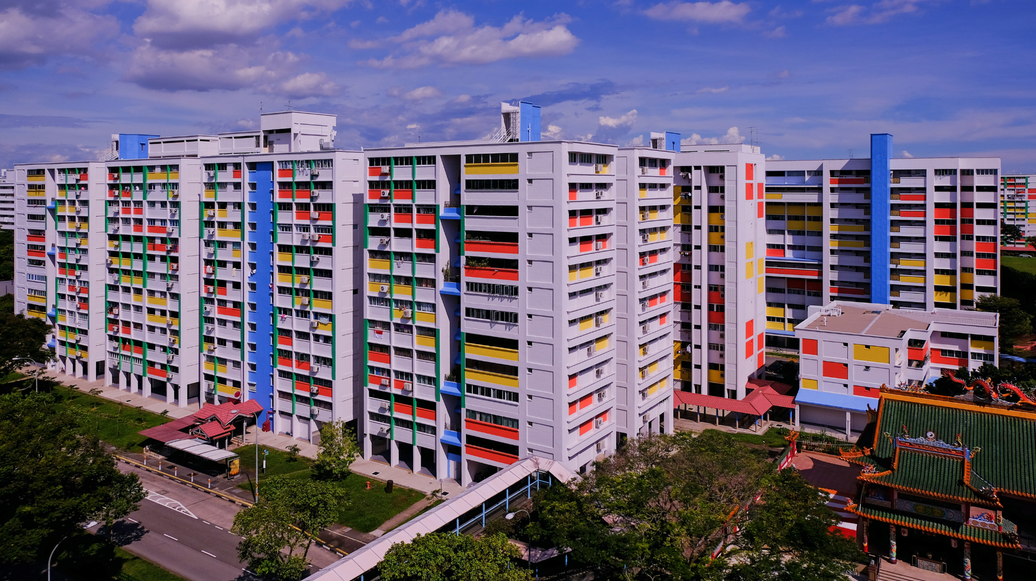
In a country where most homes are compact and the air is humid year-round, choosing the right spot matters as much as choosing the right sleeve. Here's a practical guide to where valuable Pokémon cards should go in a Singapore flat or condo, where they shouldn't, and what to do on any budget.
First, a Quick Reality Check

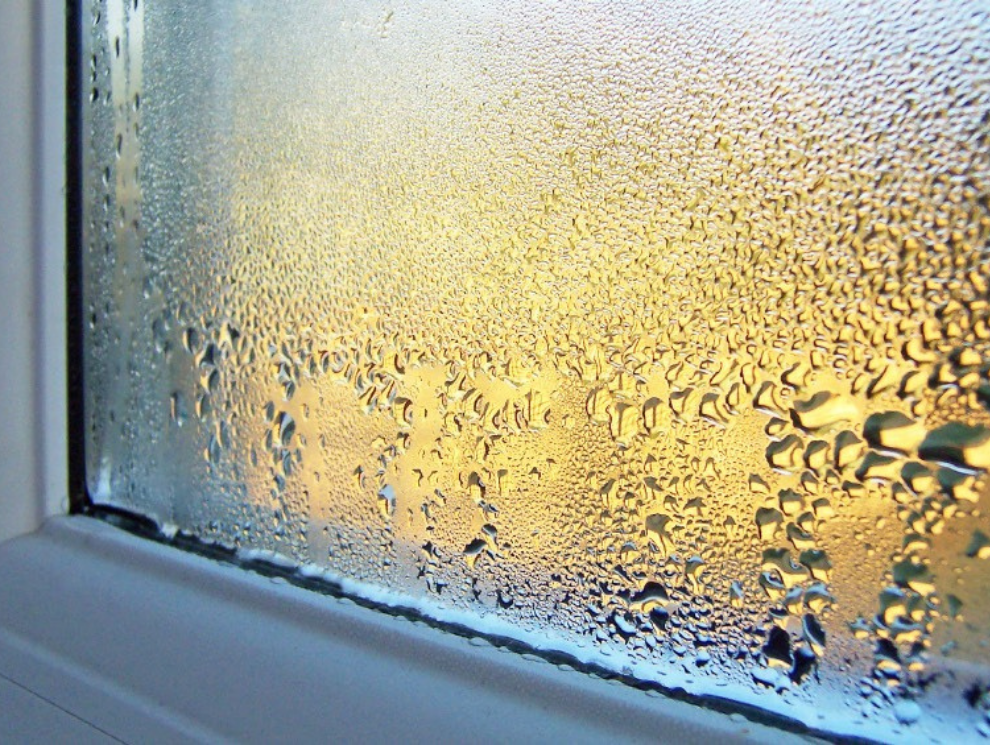
Singapore's humidity commonly sits around 80% or higher, while most collectors aim to keep cards at roughly 40% to 50%. Your air conditioner closes that gap only while it's running, and many households switch it off during the day. So a spot that feels fine when you're home can turn damp while you're out.
That's why location, not just protection, decides how your cards age.
The Spot-by-Spot Verdict
Best: A Dry Cabinet in a Bedroom or Living Area

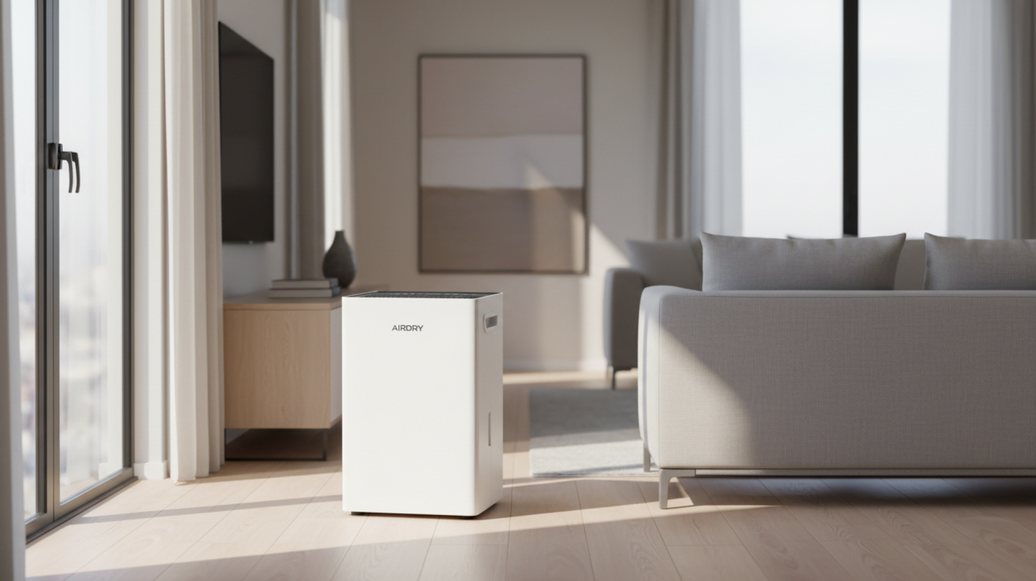
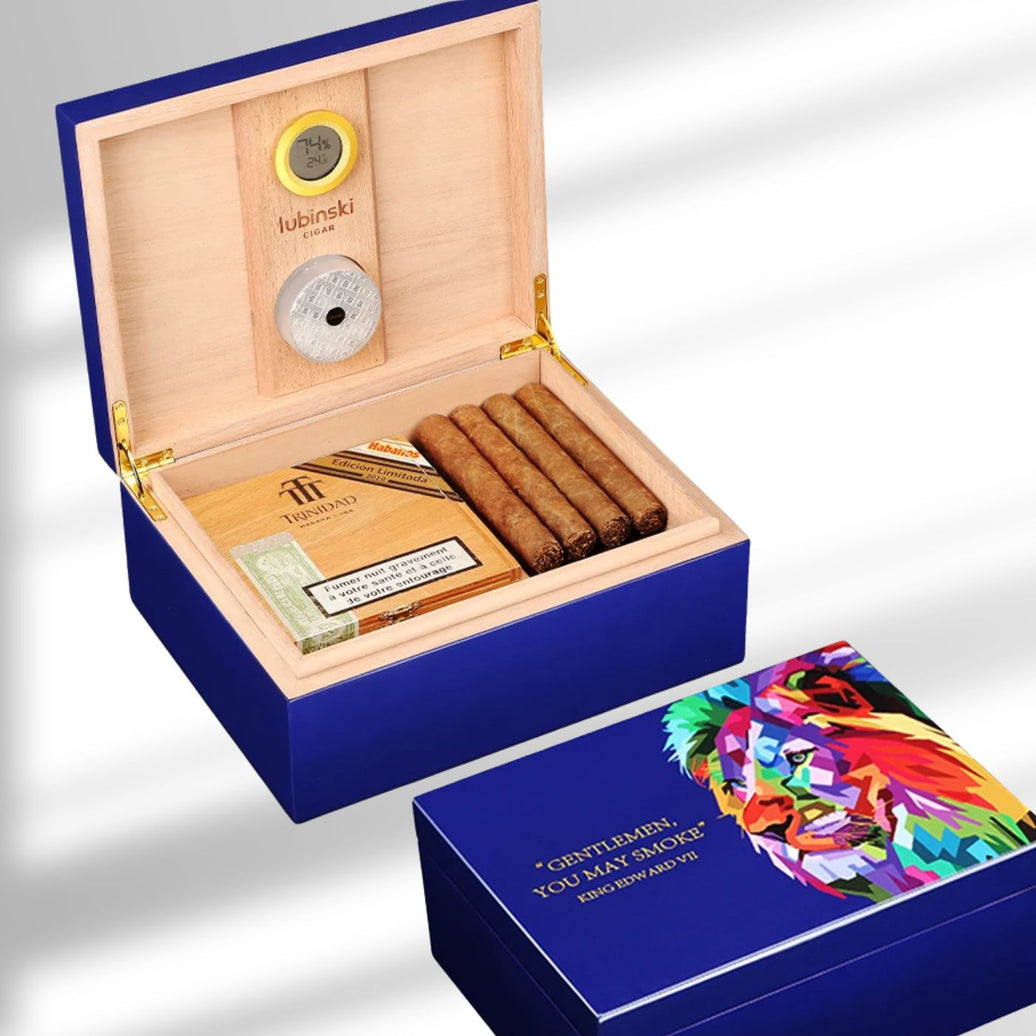
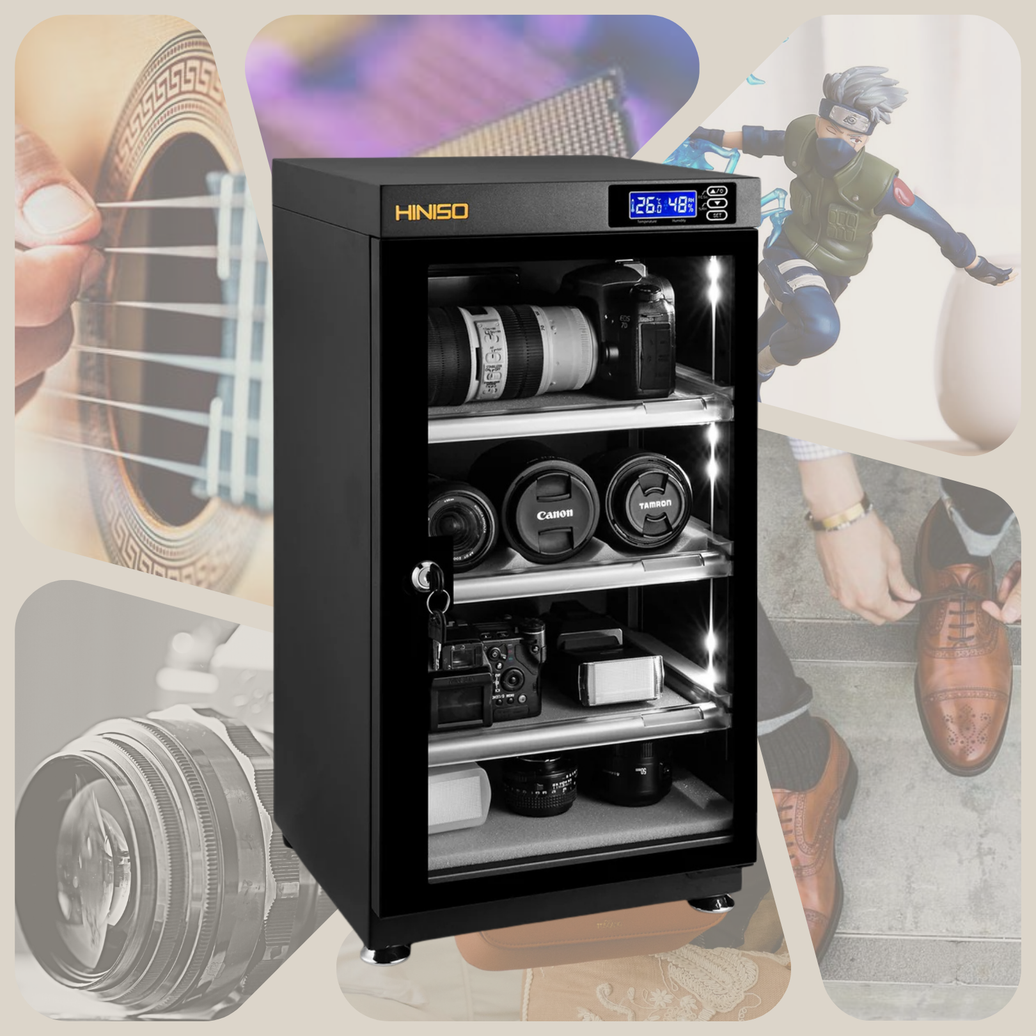
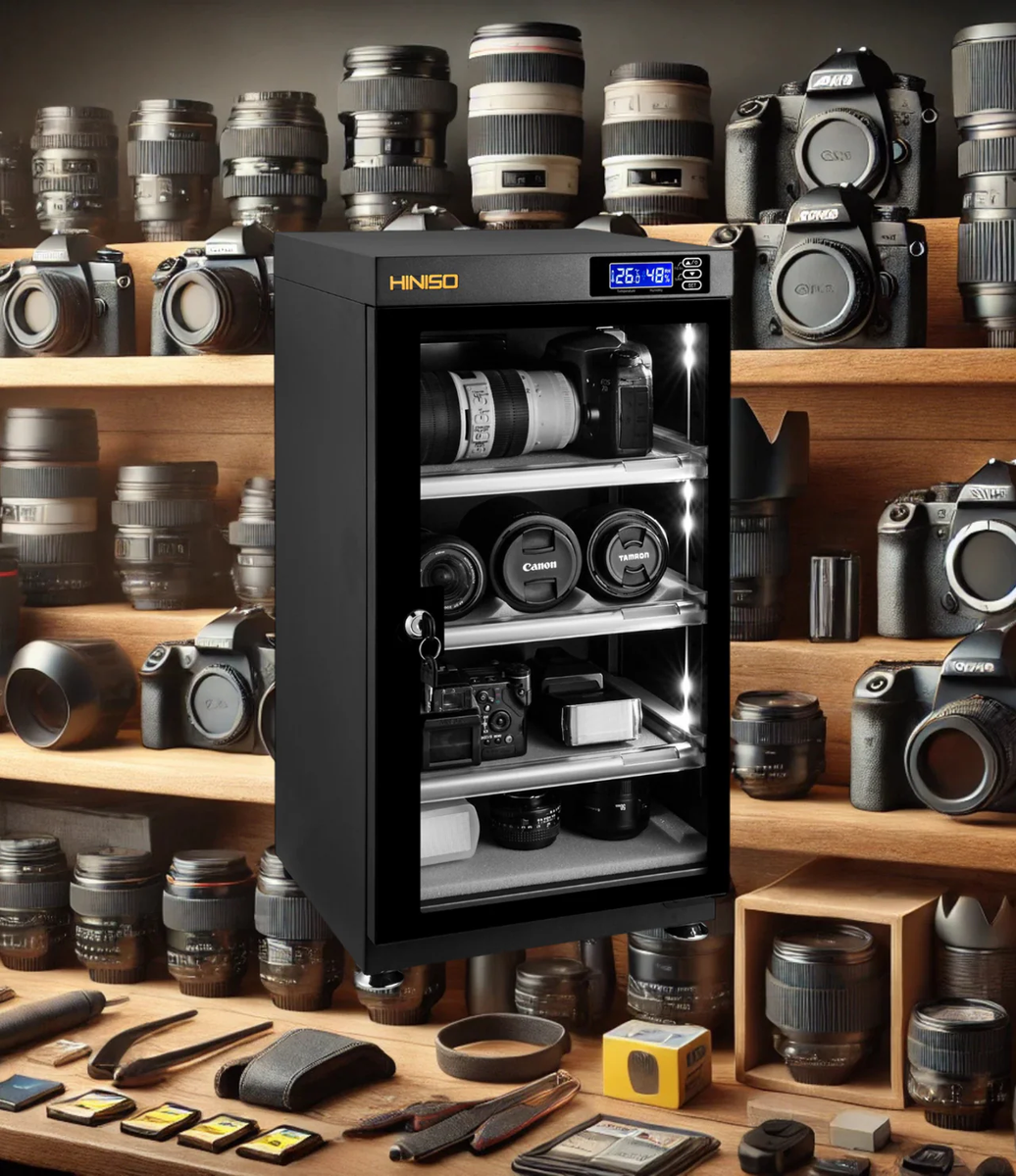
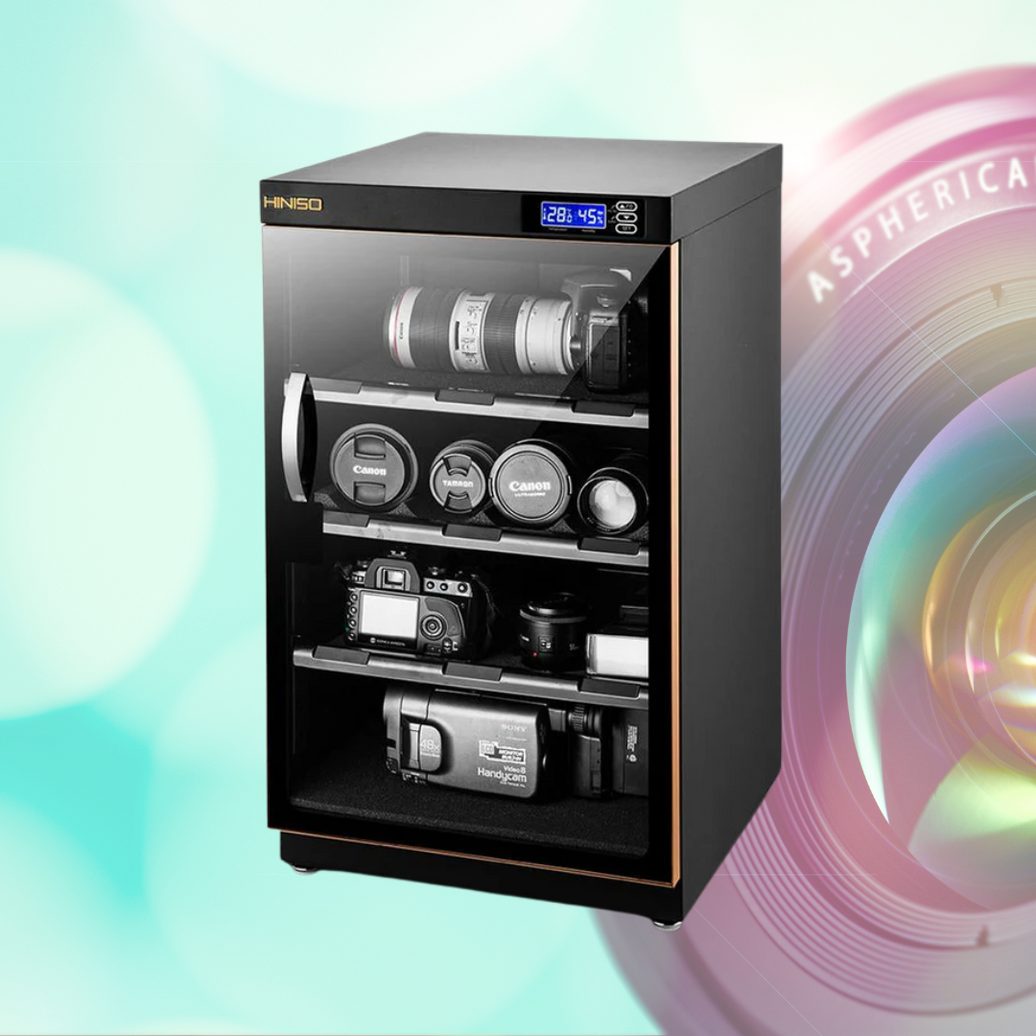
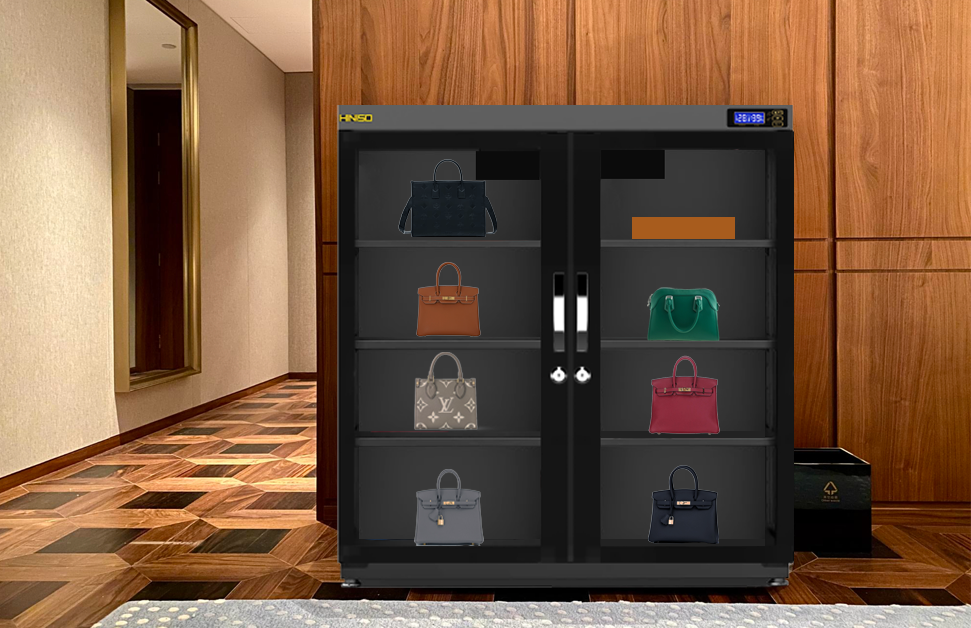
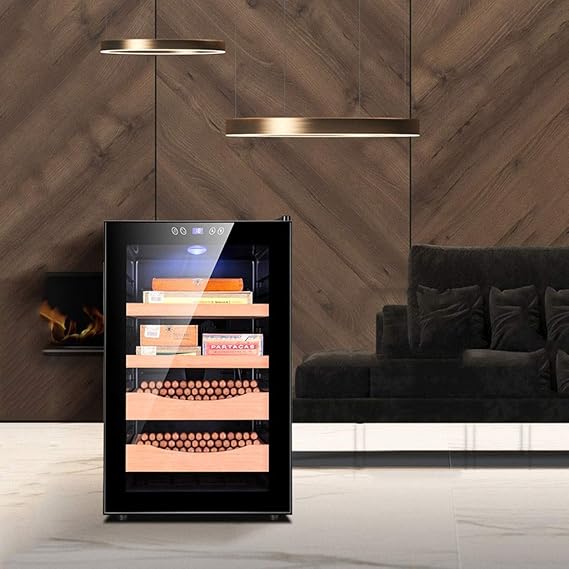
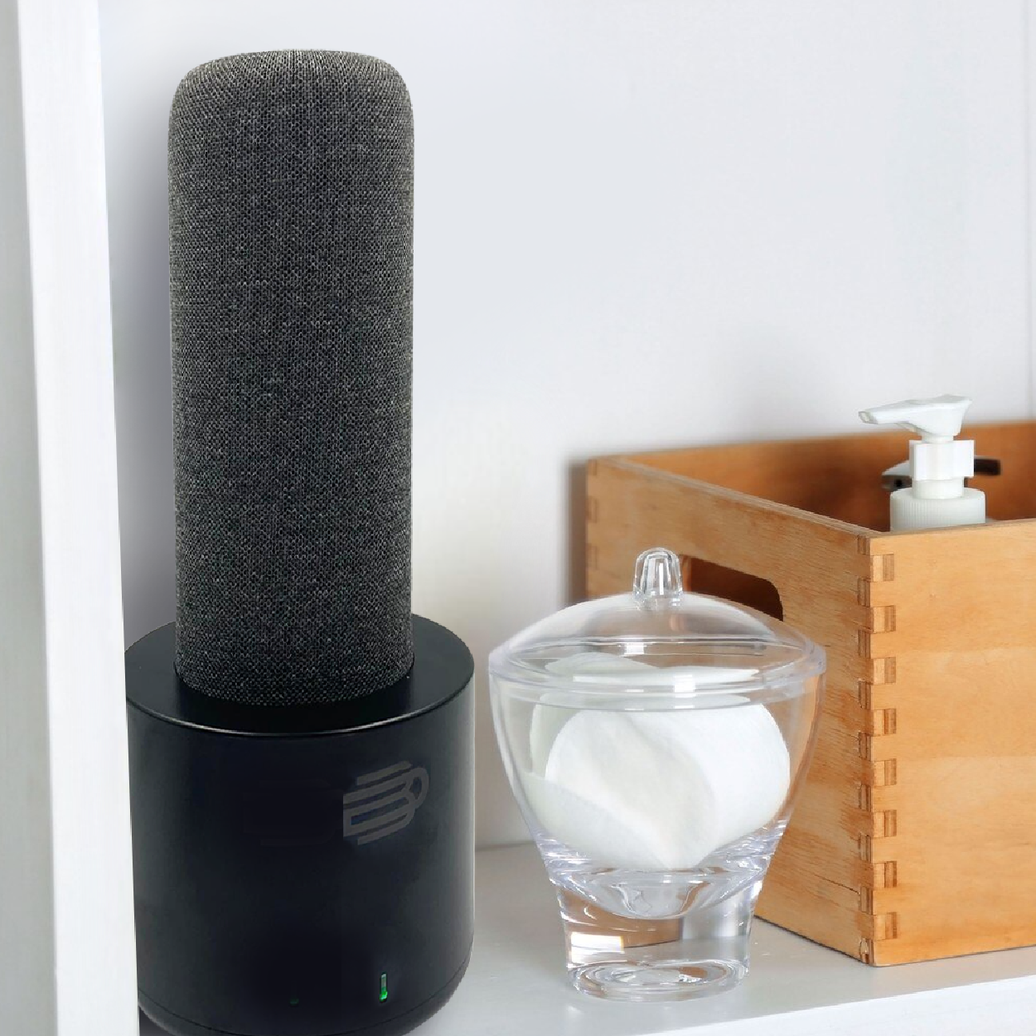
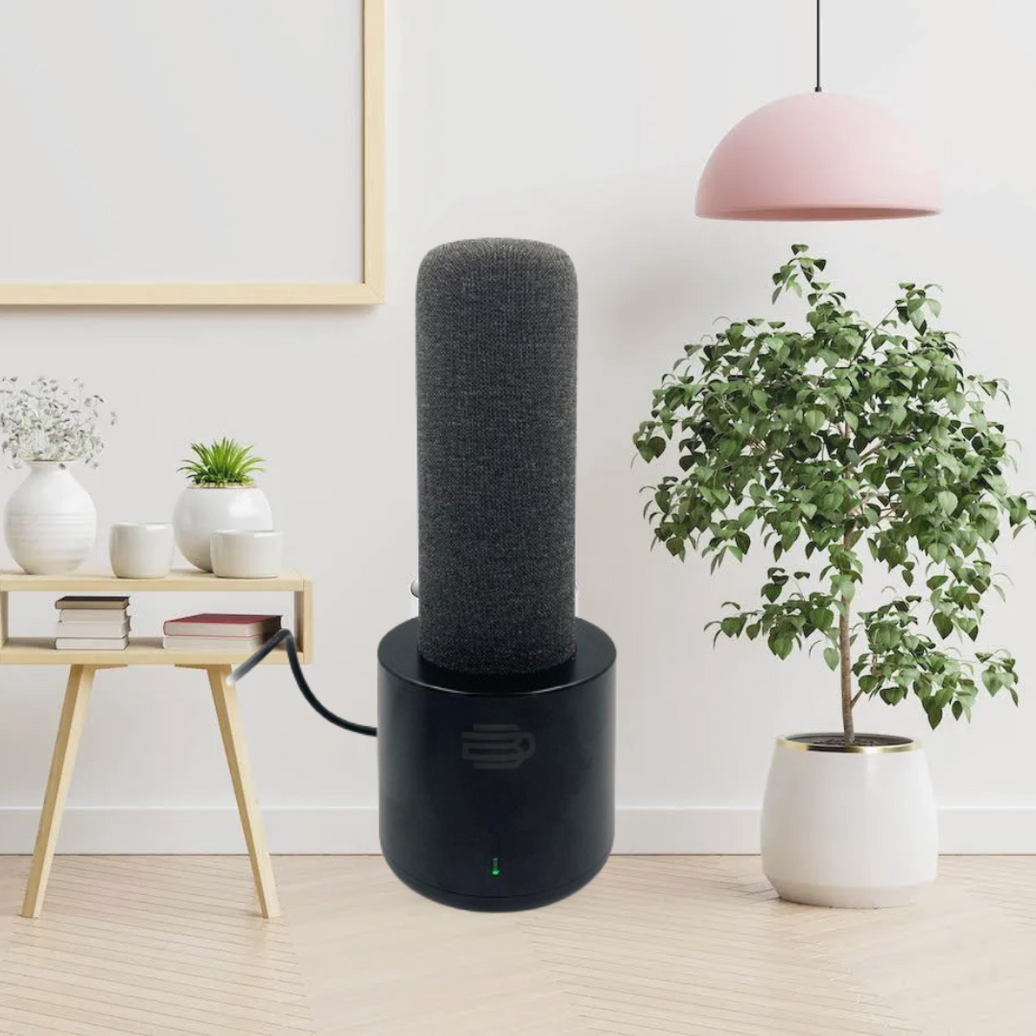
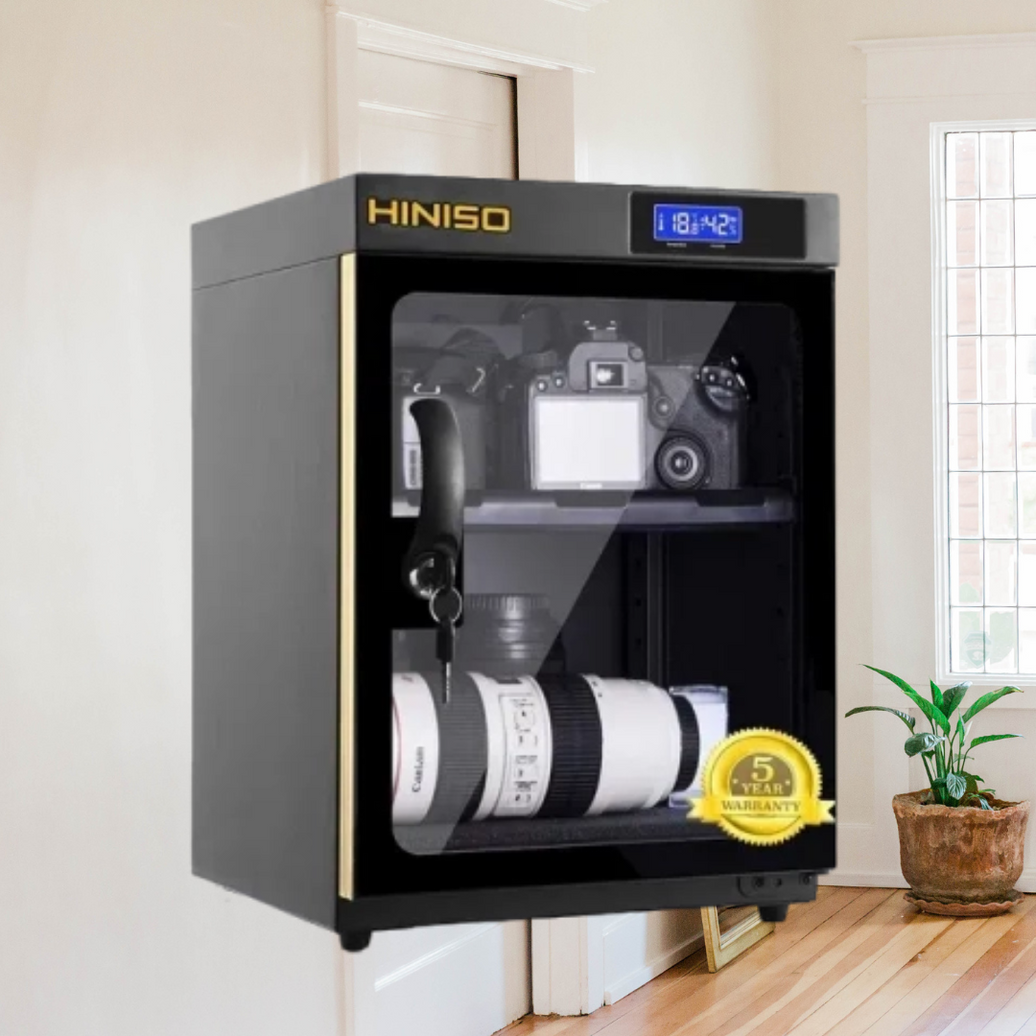
A dry cabinet holds humidity steady whether or not the AC is on, so it solves the problem directly. Put it in a room that stays reasonably cool and shaded, such as a bedroom or the corner of a living room away from the window. A hygrometer inside the cabinet tells you if it's holding the right range.
Acceptable: A Closed Cabinet in an Air-Conditioned Room

If your bedroom AC runs most nights, a sealed box on a high shelf is better than nothing. It's not a long-term answer, because humidity swings when the AC cycles, but with silica gel inside, it can work for lower-value cards.
Risky: Under the Bed

It's convenient, but air barely moves under a bed, and humid air gets trapped. Cards stored here for months are likely to warp or pick up a musty smell.
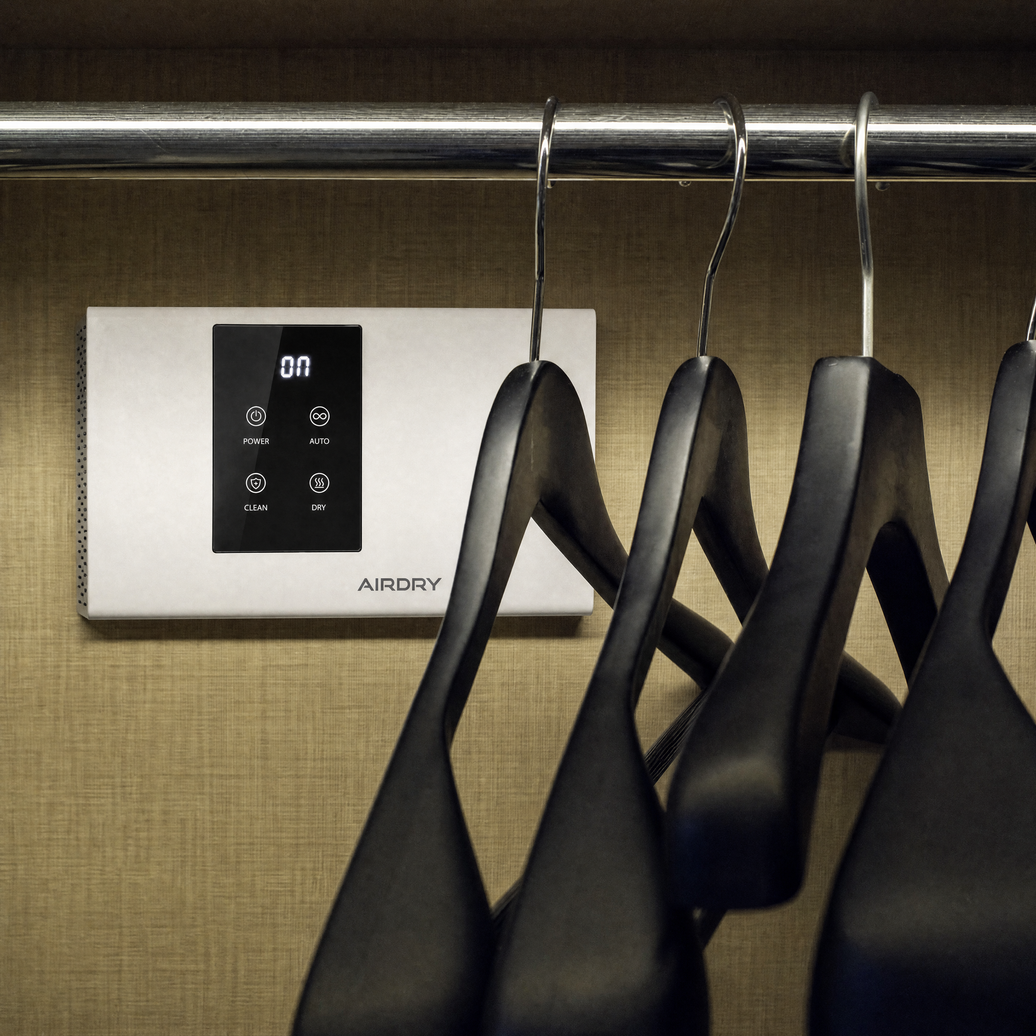
Risky: Inside a Closet

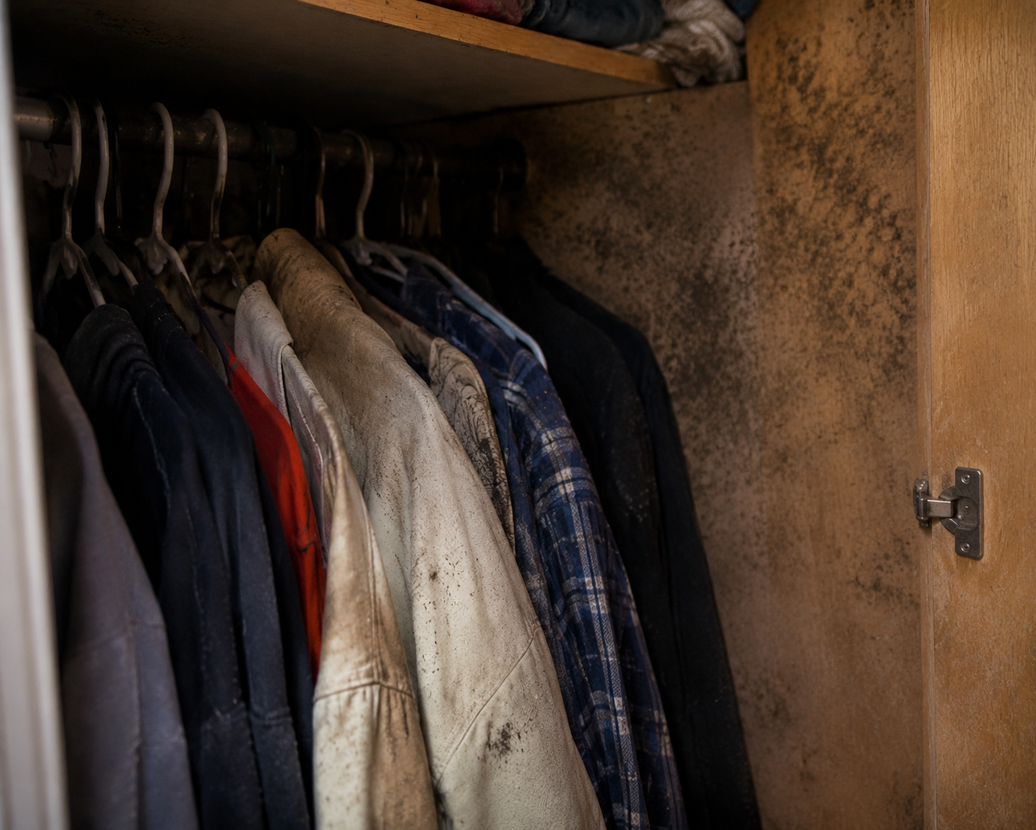
Closets are enclosed and often packed with fabric that holds moisture, which makes them a classic place for mold. If you must use one, keep cards in airtight boxes with fresh silica gel, and check them often.
Avoid: The Kitchen, Bathroom, or Balcony
Steam, cooking heat, and direct weather all shift humidity and temperature quickly. These rooms are among the worst places for paper collectibles.
Avoid: Storage Rooms and Household Shelters
These spaces often have little ventilation, so humid air sits still. They may be convenient for overflow storage, but they aren't suited to valuable cards.
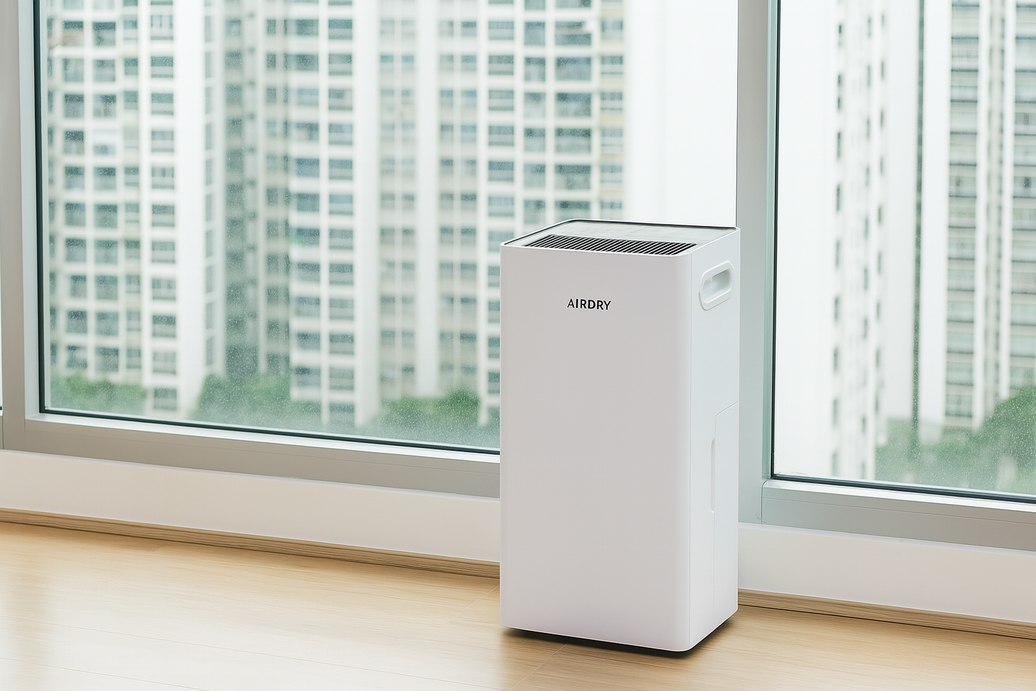
Avoid: Near a Window or in Direct Sunlight

Sun fades ink and heats the card, and temperature swings pull moisture in and out of the paper.
Five Mistakes Singapore Collectors Often Make
- Trusting the air conditioner alone. It lowers humidity only while it's on. Once it's switched off, the room's humidity climbs back up.
- Sealing damp cards in a box. Airtight storage helps only if the cards and the air inside are dry when you close the lid. Otherwise, you trap the moisture.
- Using a single silica gel pack and forgetting about it. Silica gel fills up quickly in humid weather. Replace or recharge it on a schedule.
- Stacking slabs and toploaders in tall piles. Pressure can scratch slabs and bend cards at the bottom. Store them upright.
- Leaving cards in the bag after a trading event. Cards that have been through a crowded, humid venue should be dried out and put away properly as soon as you get home.
A Setup for Every Budget
| Budget | What to do | Best for |
|---|---|---|
| Basic | Sleeves and toploaders, an airtight box, and silica gel packs replaced regularly, stored in an air-conditioned room | A few lower-value cards |
| Middle | A small electronic dry box set to roughly 40% to 50%, plus a hygrometer | A growing collection or a handful of valuable cards |
| Best | A full dry cabinet with adjustable humidity, graded slabs upright inside, plus a safe for your top cards and a written inventory | Valuable cards, graded slabs, sealed products |
What to Do Once Cards Are Stored
- Check your hygrometer every week or two at first, then monthly once you know it's stable.
- Open the cabinet as little as you can. Each time you do, humid air gets in.
- Don't overfill it. Leave a little space for air to circulate.
- Keep a short record of what's inside, with photos and grading certificate numbers, kept somewhere else.
A dry cabinet protects against humidity, not theft, fire, or flooding, so consider a lockable safe and ask your insurer how collectibles are covered under your policy. This isn't insurance advice, just a question worth asking.
Quick Answers
Is an HDB flat or condo bad for storing cards? Not by itself. The issue is humidity and limited airflow in enclosed spots like closets and under-bed space. A dry cabinet in a stable, shaded room works well in either.
Should I keep my cards in the bedroom? It's usually a good choice, since many people run the AC there. A dry cabinet in the bedroom keeps humidity steady even when the AC is off.
Will silica gel be enough? For a small number of lower-value cards, it can work if you replace it regularly. For valuable cards, a dry cabinet is more dependable.
What humidity should I aim for? Most collectors aim for roughly 40% to 50%, and avoid going much below 30%, which can make paper brittle.
My cards already feel a bit warped. Can I fix them? Mild warping may improve once cards are stored in a stable, correct humidity range, but severe damage and mold are often permanent. For valuable cards, consider asking a professional before attempting any fix.
Bottom Line
Where you keep your cards in Singapore matters as much as how you protect them. Skip the closets, storage rooms, and under-bed spaces, choose a stable, shaded spot, and use a dry cabinet if the cards are worth protecting properly. Even a basic setup with a hygrometer is better than leaving cards to chance.
Ready to give your cards a proper home? See our dry cabinet collection →