Why Everything Gets Moldy in Singapore (And How to Stop It)
If you live in Singapore, you’ve probably seen at least one of these:
-
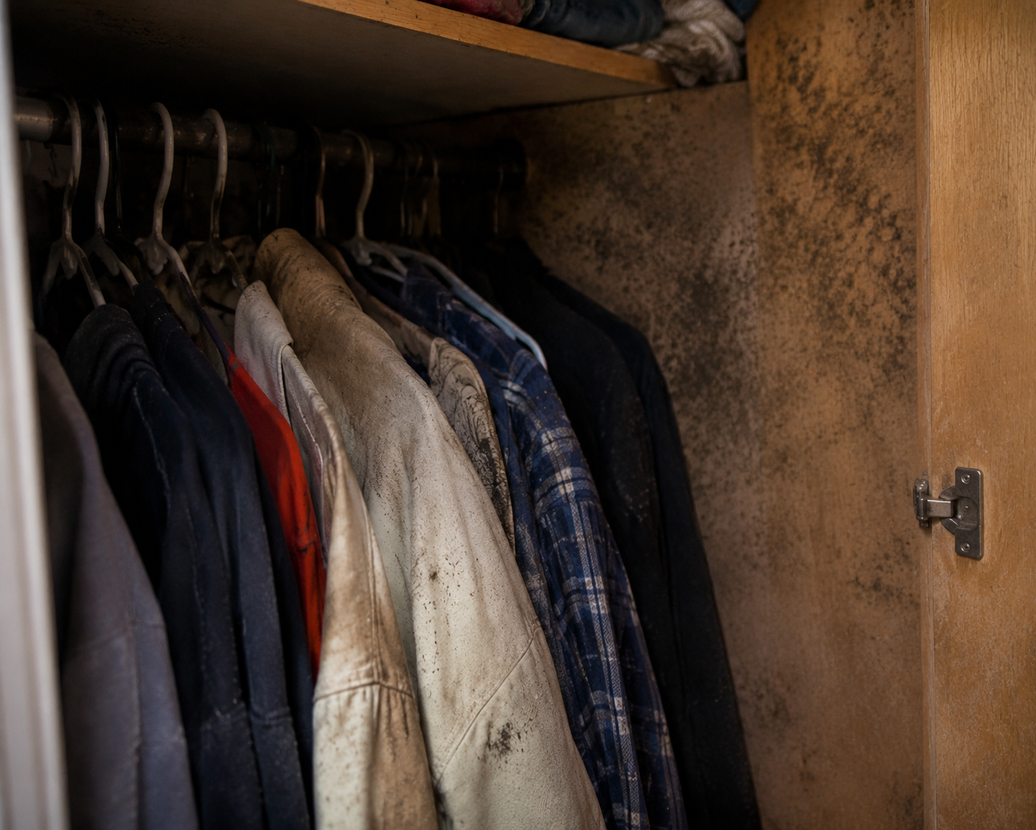
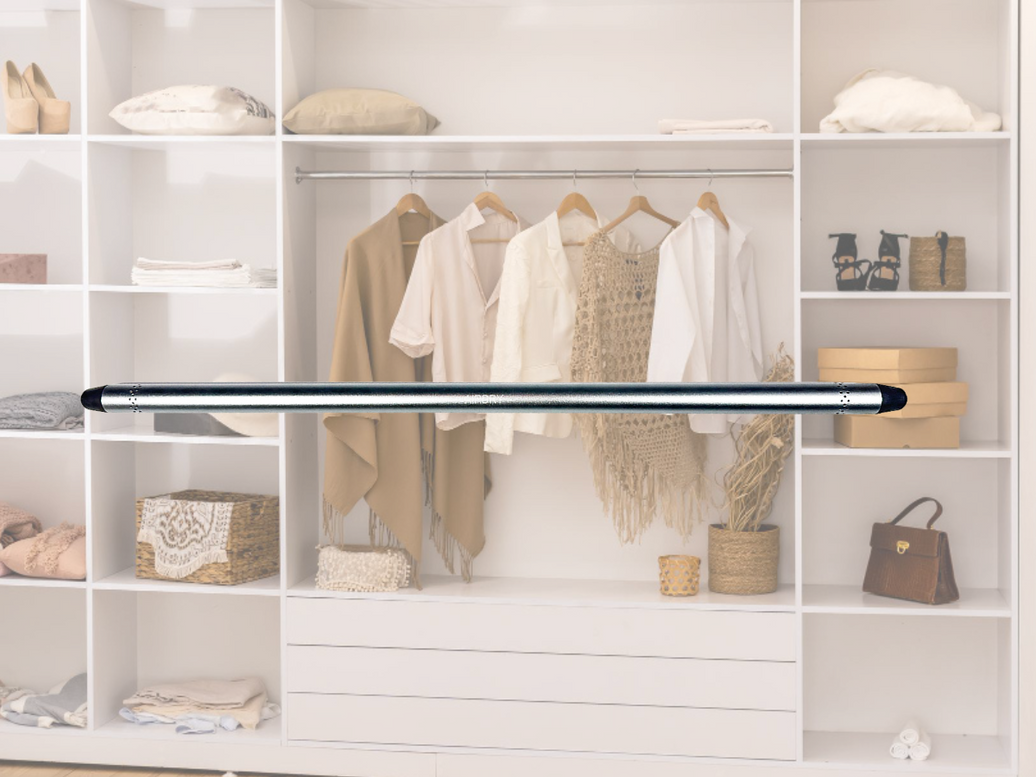
musty wardrobes,
-
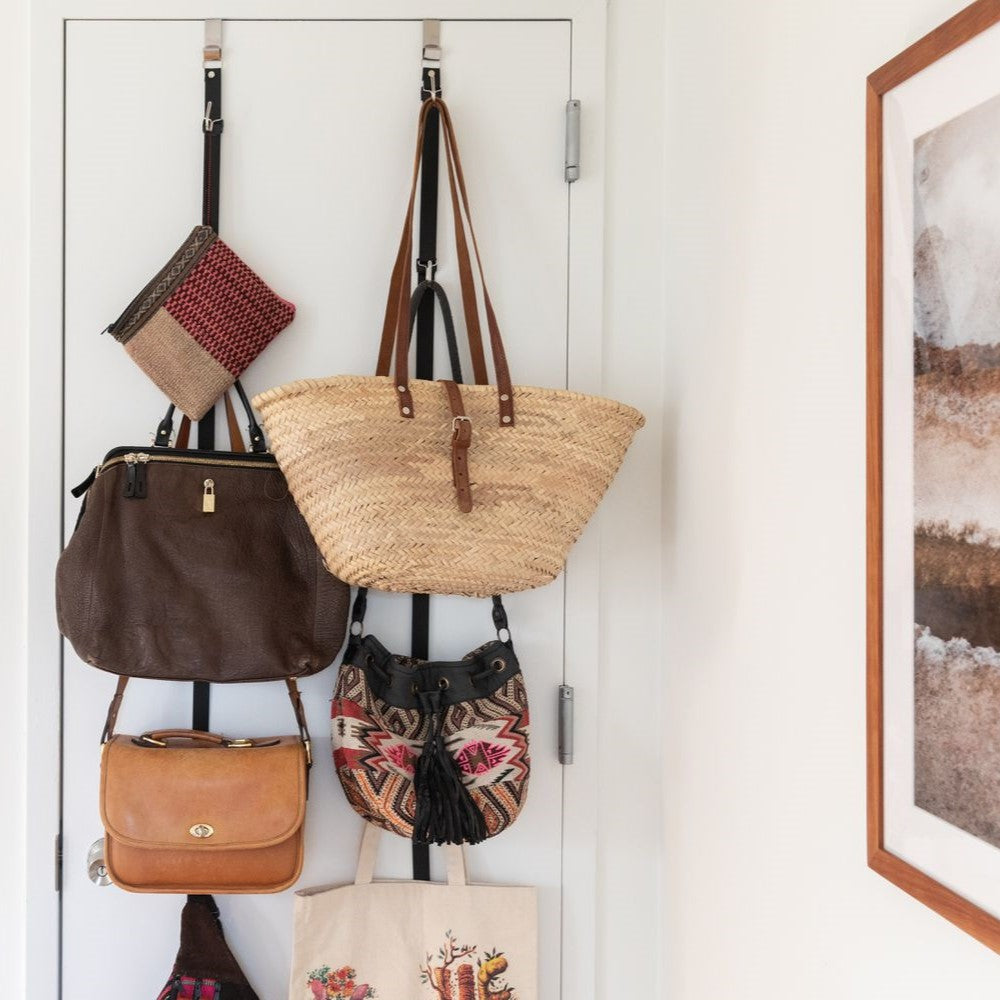
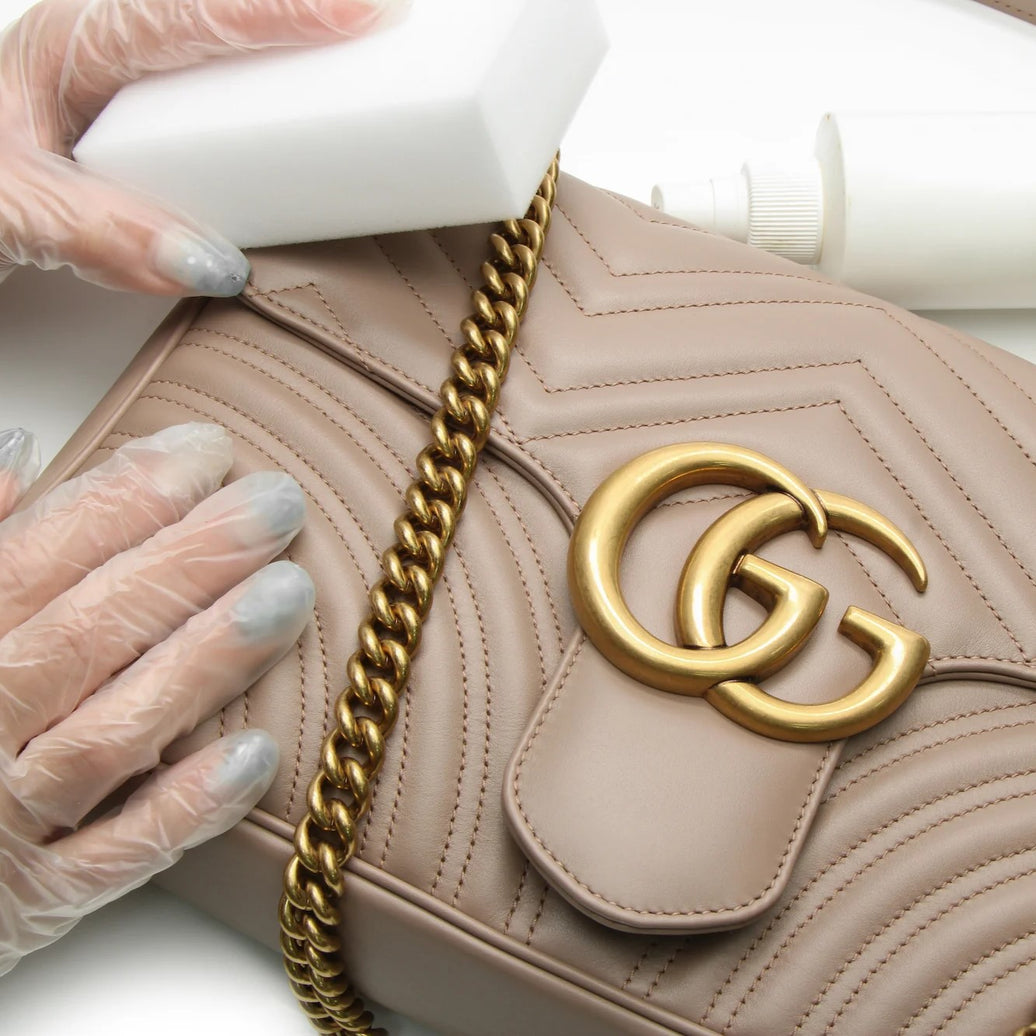
mold spots on leather bags,
-
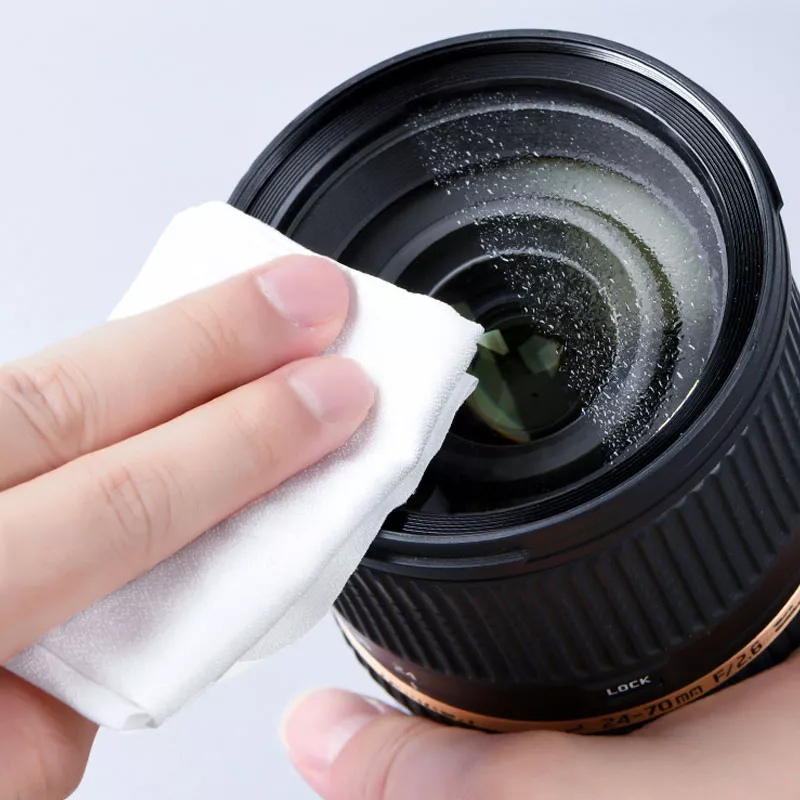
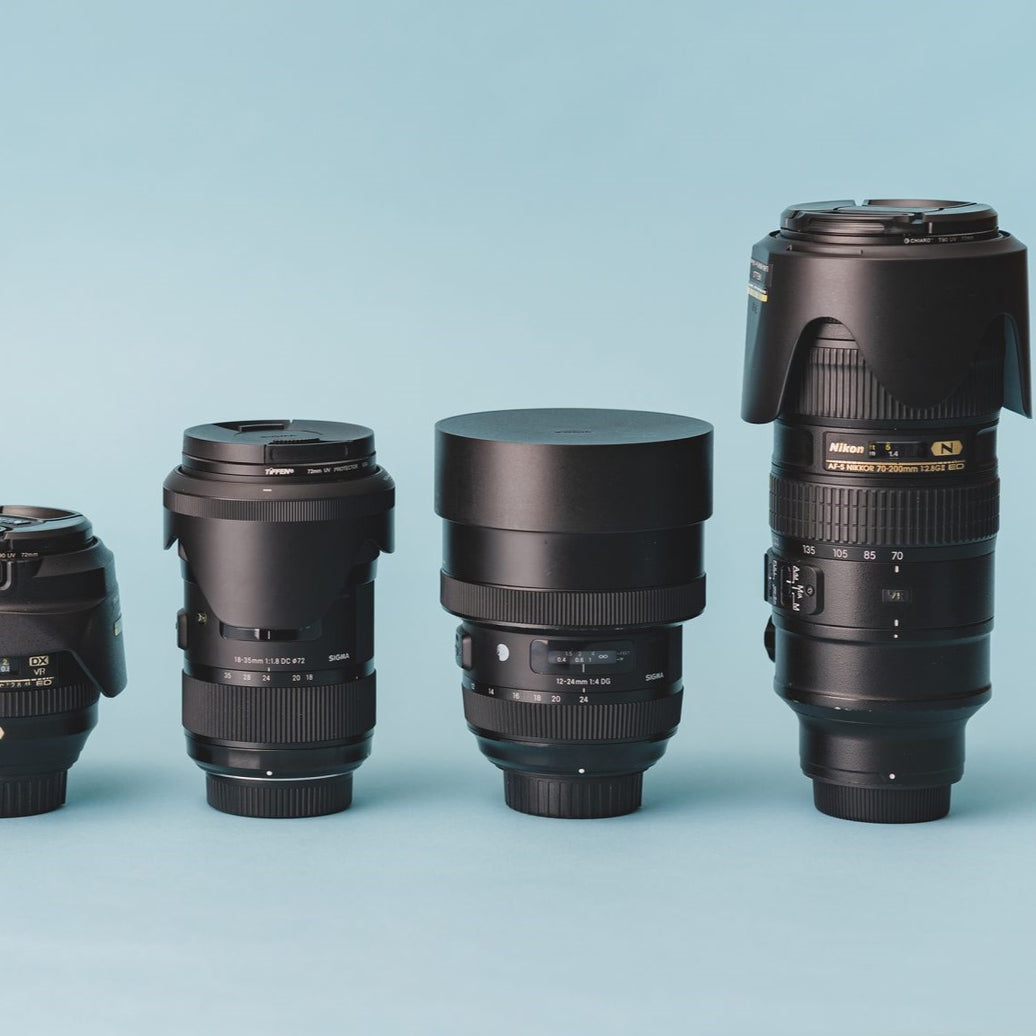
haze/fungus inside camera lenses,
-
rust on metal buckles and watch parts,
-
paper documents turning wavy or smelling “damp”.
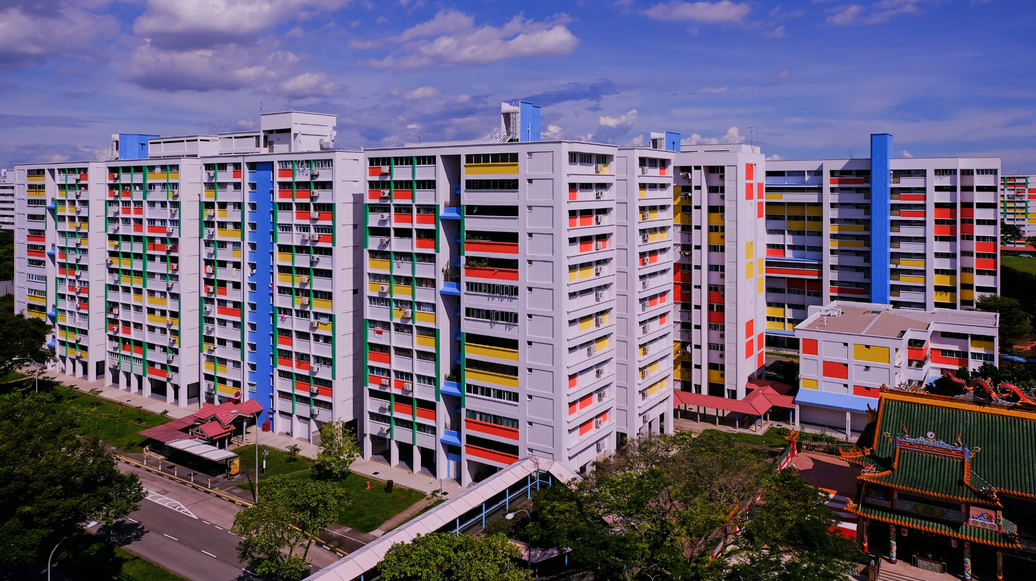
This isn’t because your home is dirty. It’s because Singapore is humid almost all year. The Weather Service (NEA/MSS) notes Singapore’s mean annual relative humidity is around 82%, with mornings commonly above 90% and rainy periods reaching near 100%.
The good news: mold prevention is very manageable once you control the one thing mold loves most—moisture.
1) Why mold happens so fast in Singapore: humidity + time + still air

Mold spores are everywhere (normal). They grow when conditions stay moist long enough.
Research often describes mold-favorable indoor conditions as high relative humidity, typically above ~70–80% RH for strong growth conditions.
Building science guidance also commonly recommends keeping indoor humidity controlled—often framed as “avoid high surface RH” and “don’t let indoor RH stay high” to reduce mold risk.
That’s why mold shows up fastest in:
-
closed wardrobes / shoe cabinets
-
storerooms with little airflow
-
camera bags kept zipped for weeks
-
leather stored in boxes (no ventilation)
-
cupboards near cooler walls where condensation can occur
2) What high humidity does to your valuables (not just “ugly spots”)

High humidity can cause:
-
lens fungus (optics damage and costly servicing)
-
corrosion/rust on contacts and metal parts
-
leather mildew + odor + surface weakening over time
-
paper damage (warping, yellowing, sticking pages)
On the health side, WHO has guidance summarizing evidence that dampness and mold in buildings are linked with adverse health outcomes.
3) Why silica gel / moisture absorbers feel like they work… then don’t

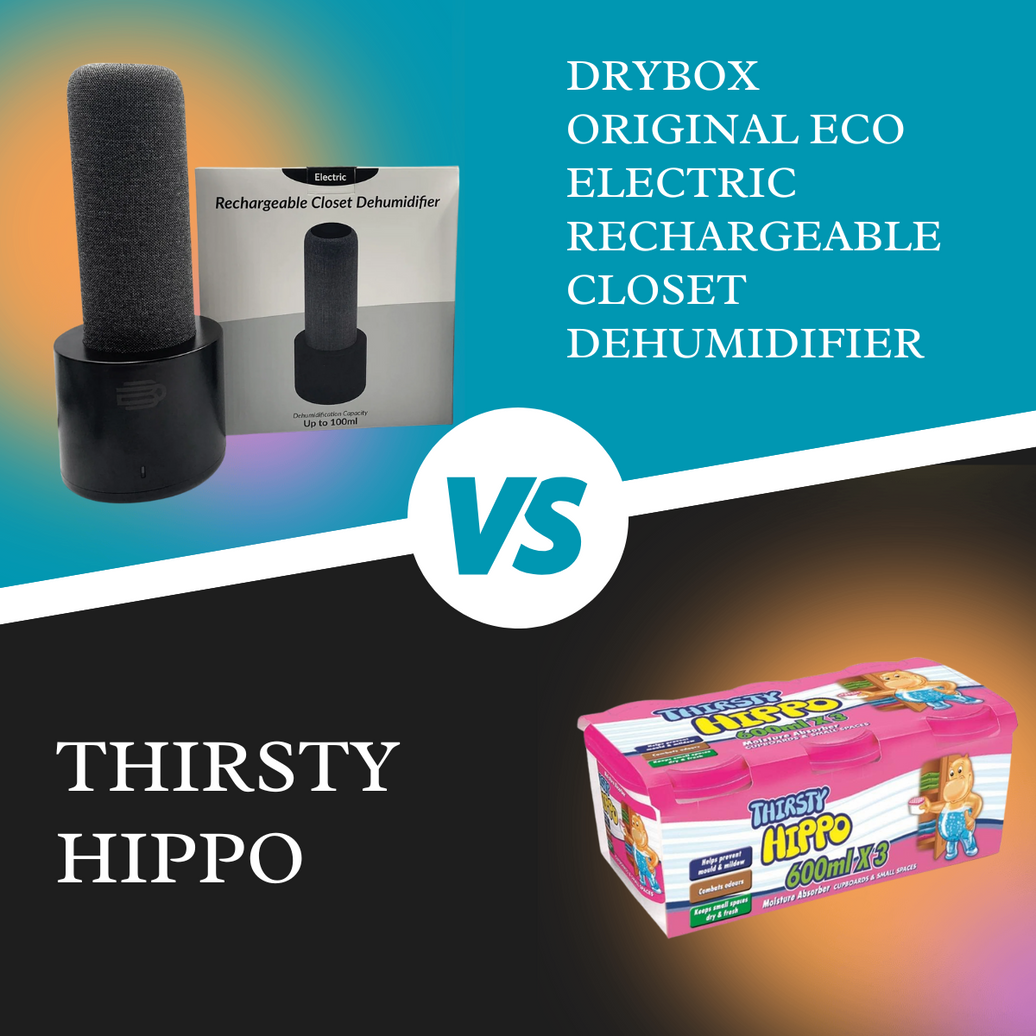
Silica gel and moisture absorbers can help in small enclosed spaces, but in Singapore’s humidity they saturate quickly and stop being effective unless you replace/regenerate them consistently.
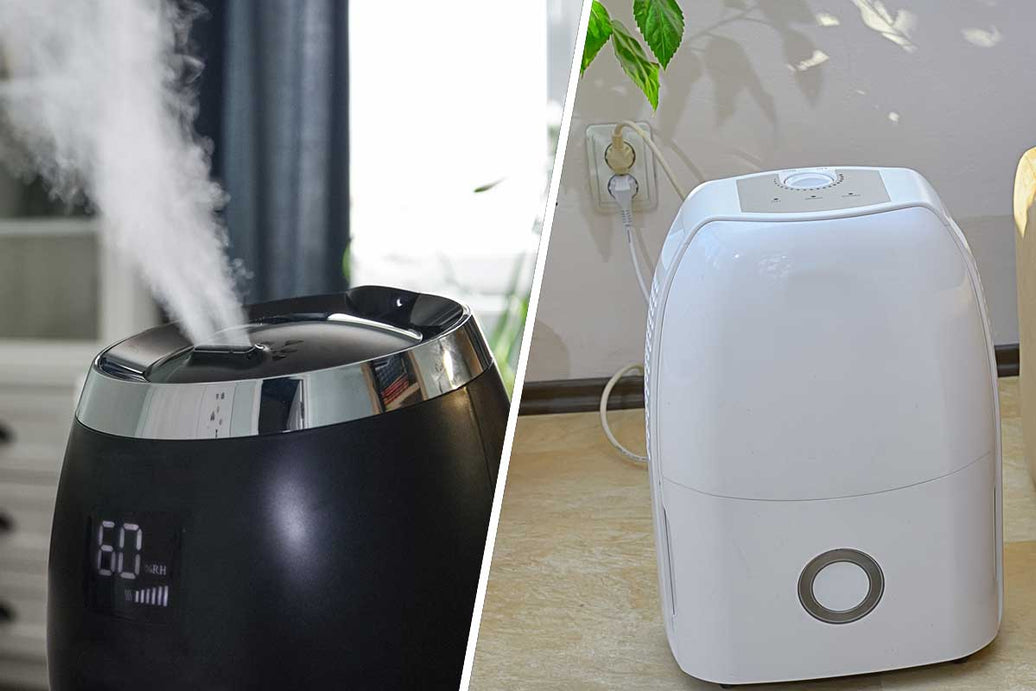
If your goal is to protect high-value items long-term (cameras, luxury bags, watches, important documents), you want stable humidity control, not a temporary patch.
4) The practical target: stable storage humidity (out of the “mold zone”)
A simple, safe general target for most valuables is:
-
40–60% RH for general storage (leather goods, documents, collectibles)
-
30–50% RH for cameras/electronics (many users prefer this range)
The key word is stable. Big daily swings (humid day → air-con night → humid day) can encourage condensation on cooler surfaces—especially in enclosed cabinets and storerooms.
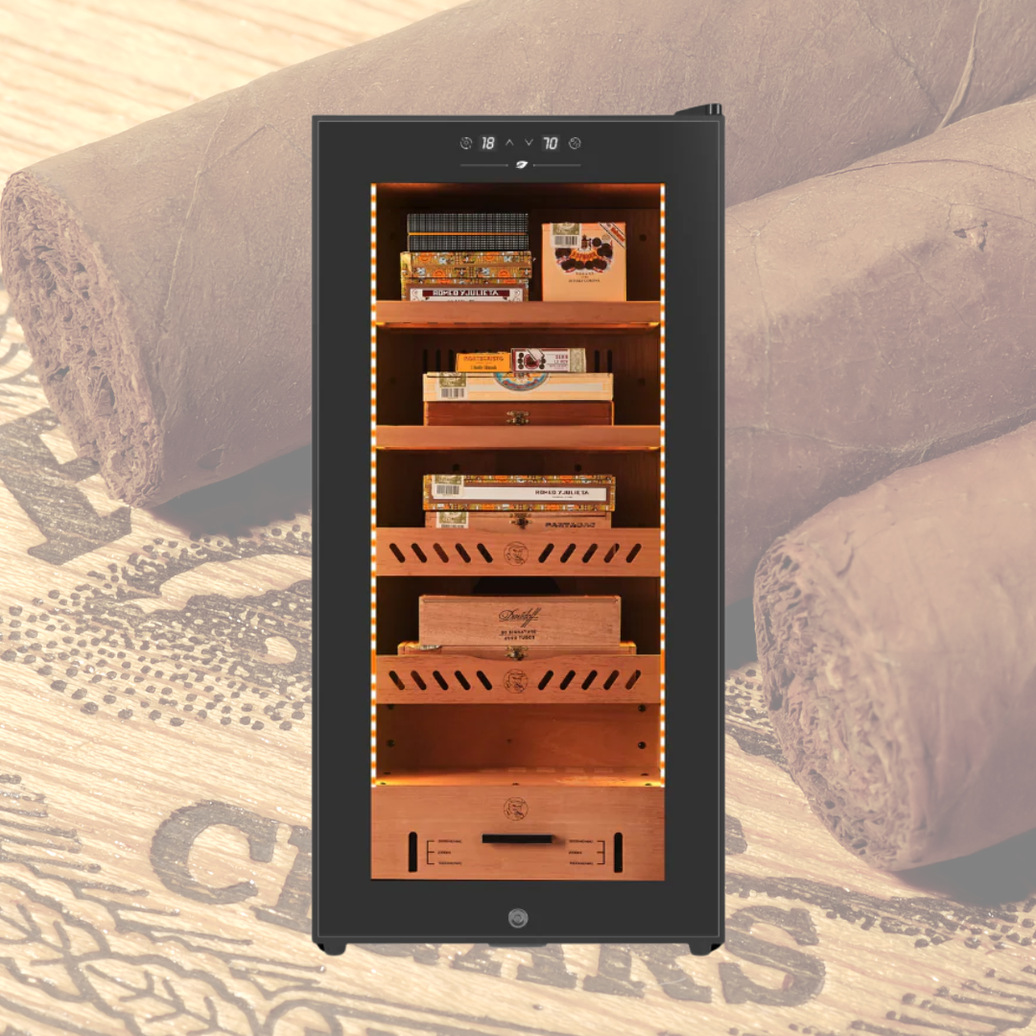
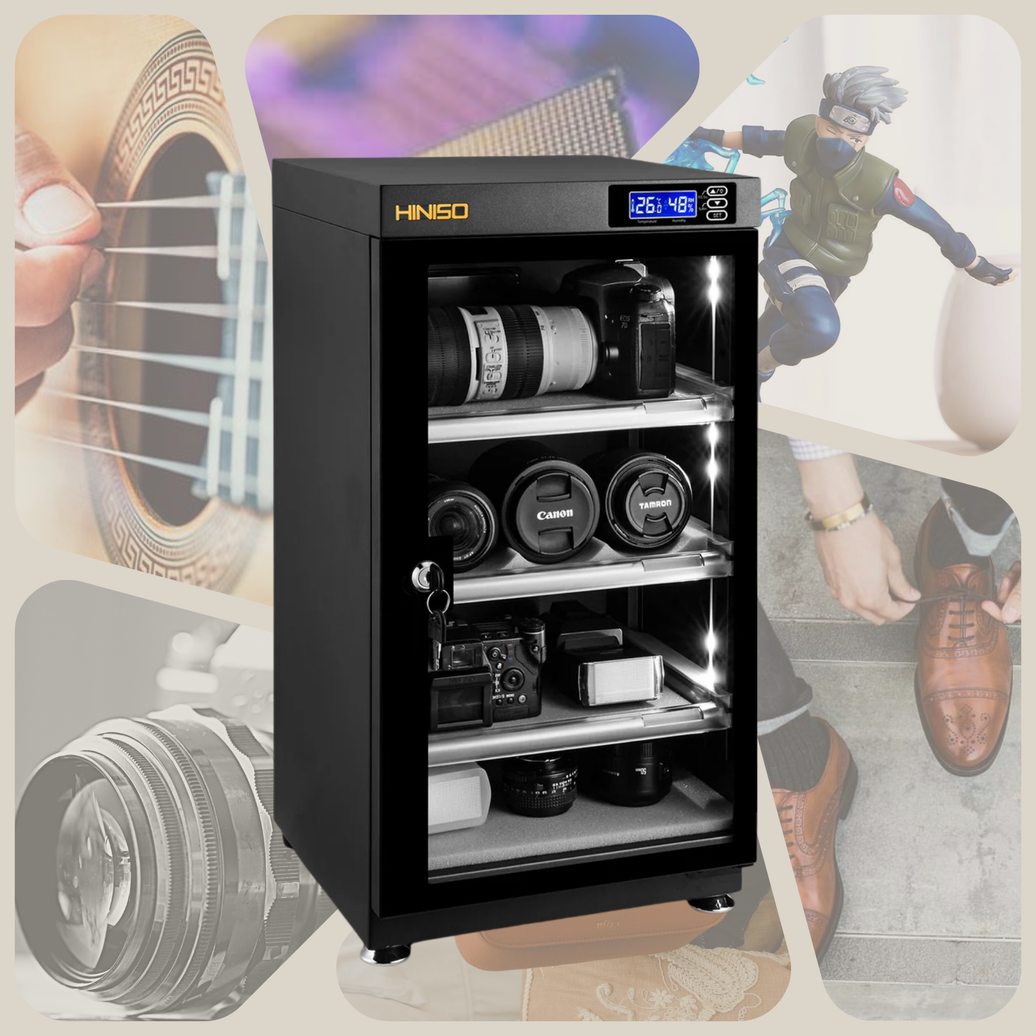
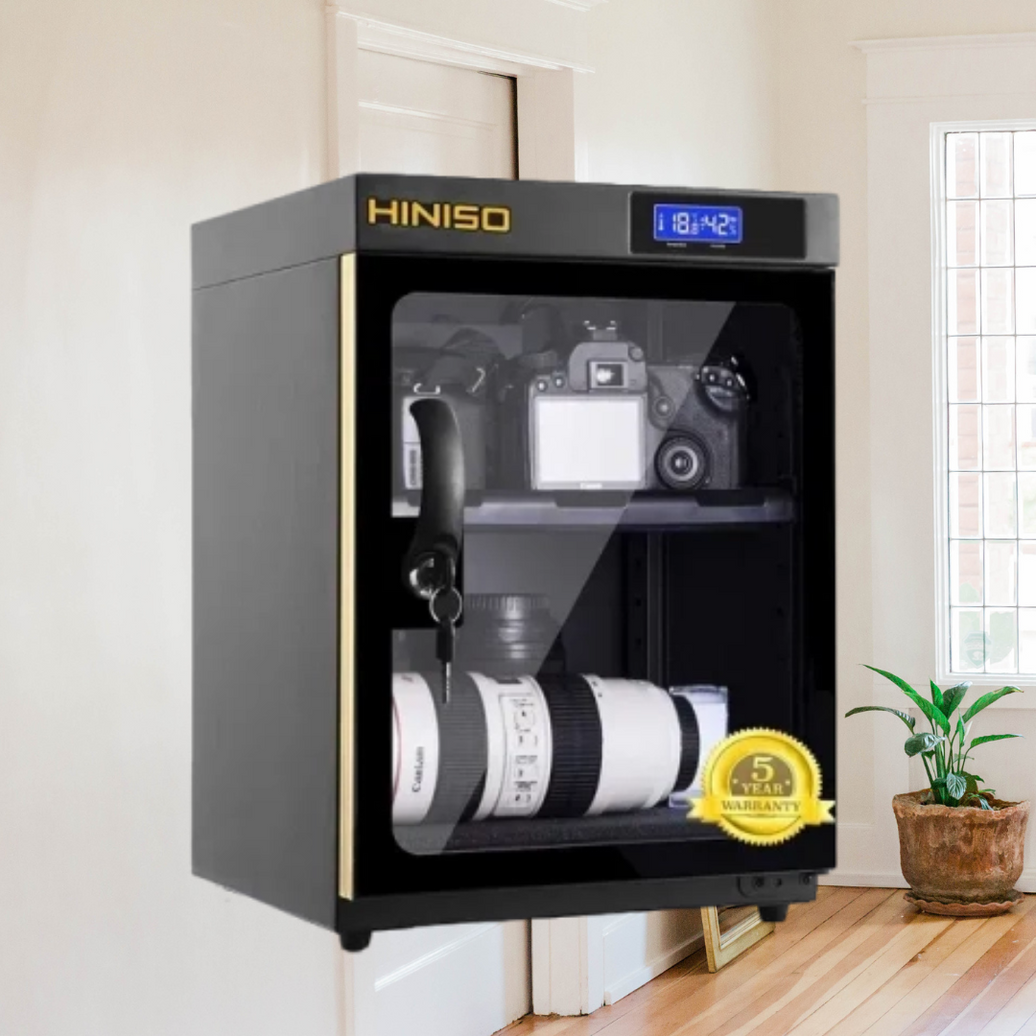
5) How a dry cabinet helps (and why it’s different from “just dehumidify the room”)
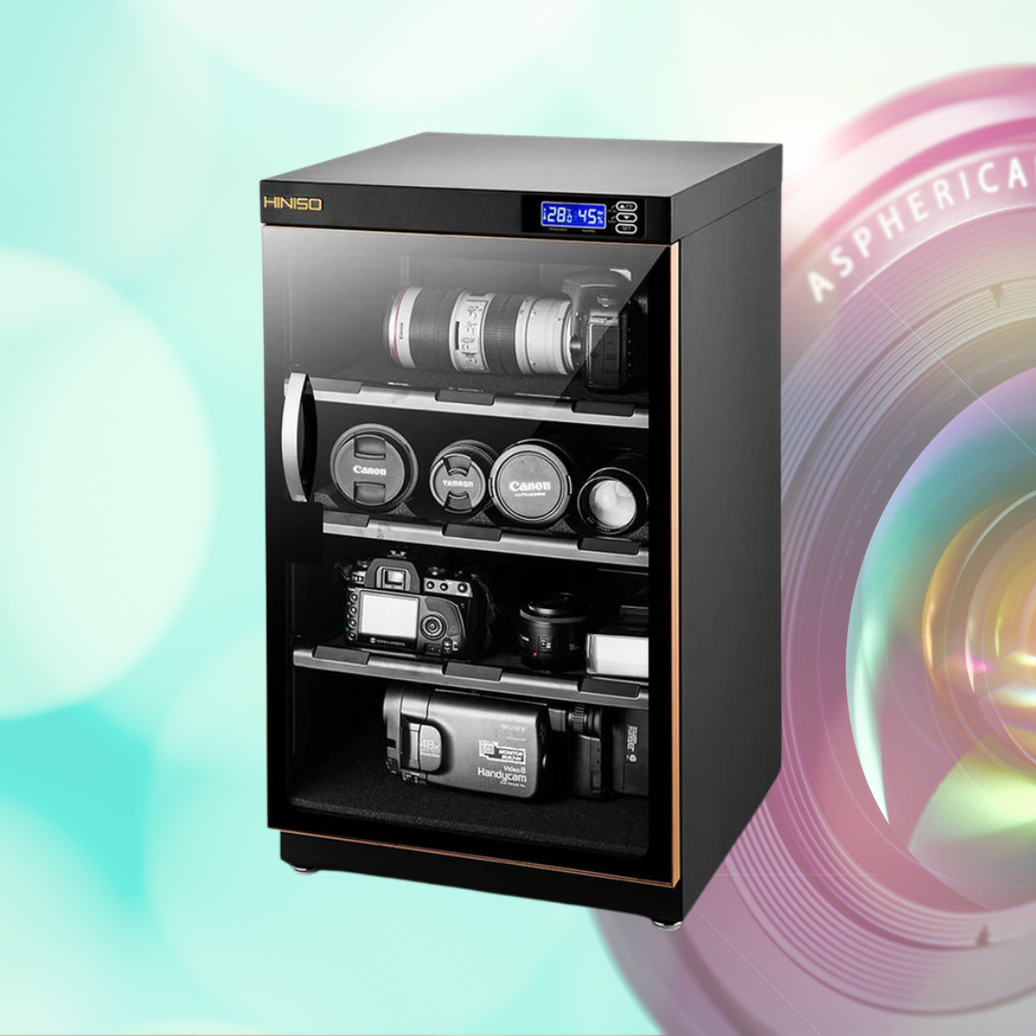
A dry cabinet works because it:
-
creates a sealed, controlled micro-environment
-
reduces RH to your target range
-
holds RH steady 24/7 (so your items aren’t constantly exposed to high humidity peaks)
If you want a simple starting point, you can link your own setup guide:
-
Dry cabinet set-up guide: https://drybox.com.sg/pages/dry-cabinet-set-up
What Singaporeans commonly store in a dry cabinet
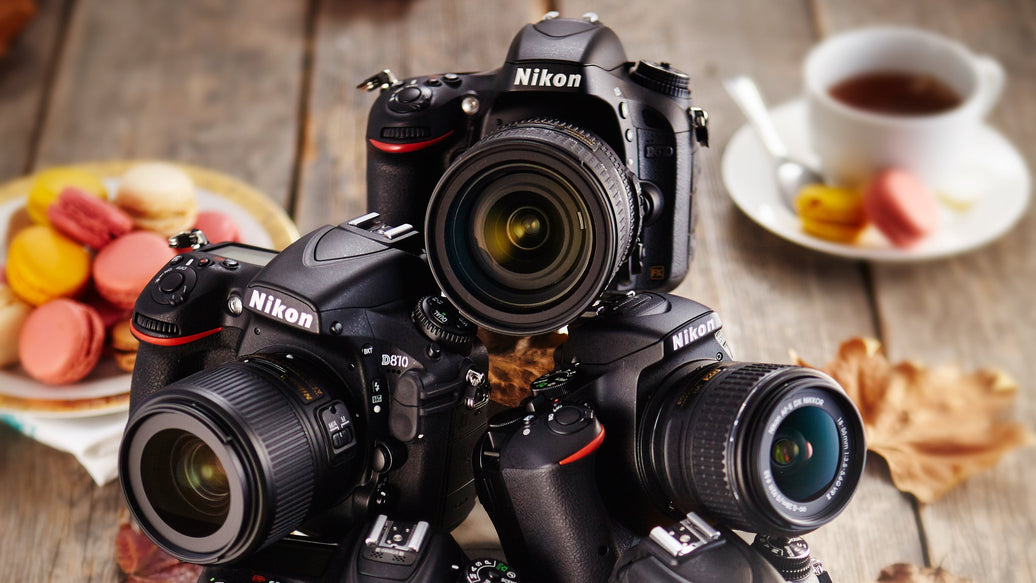
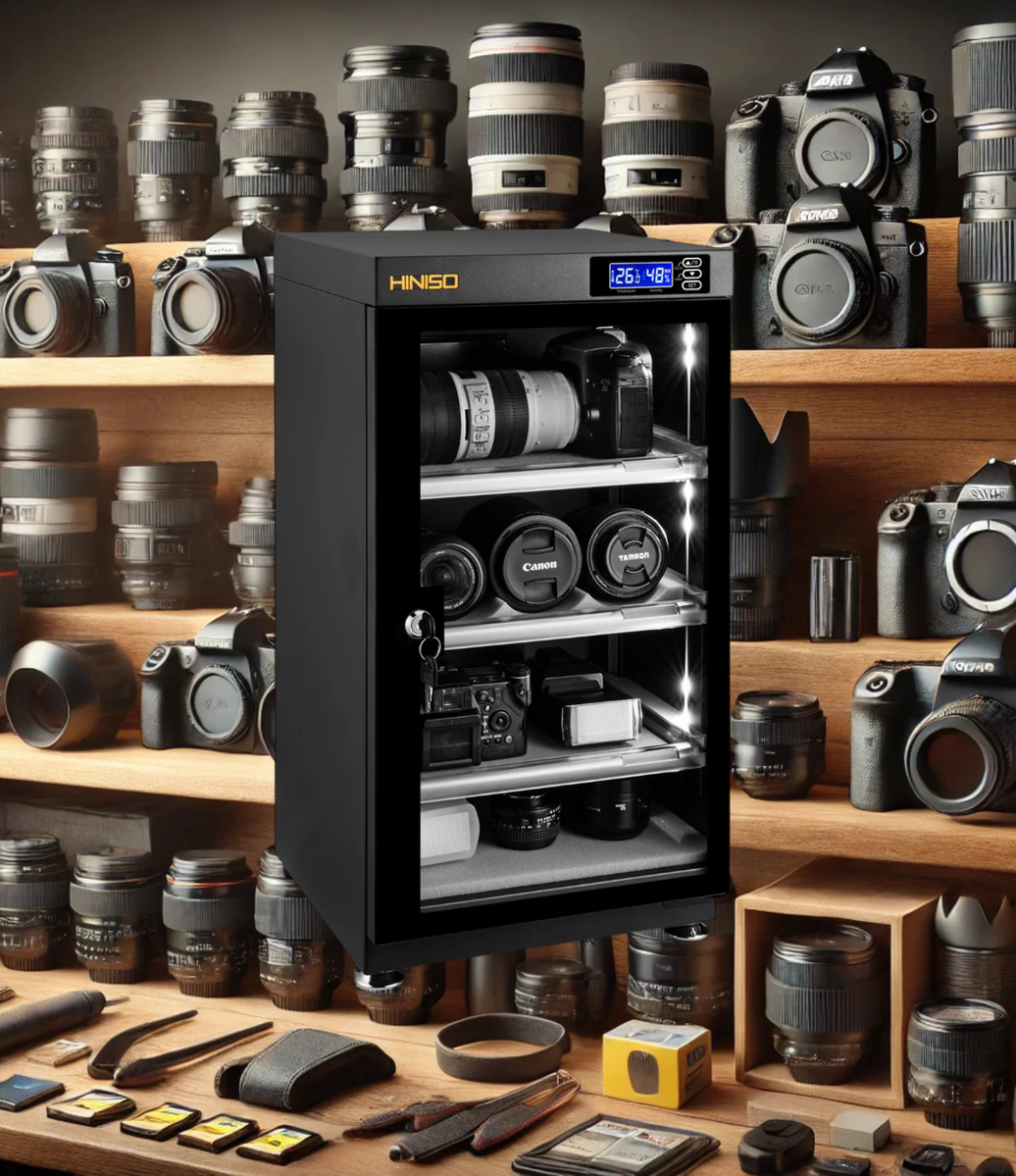
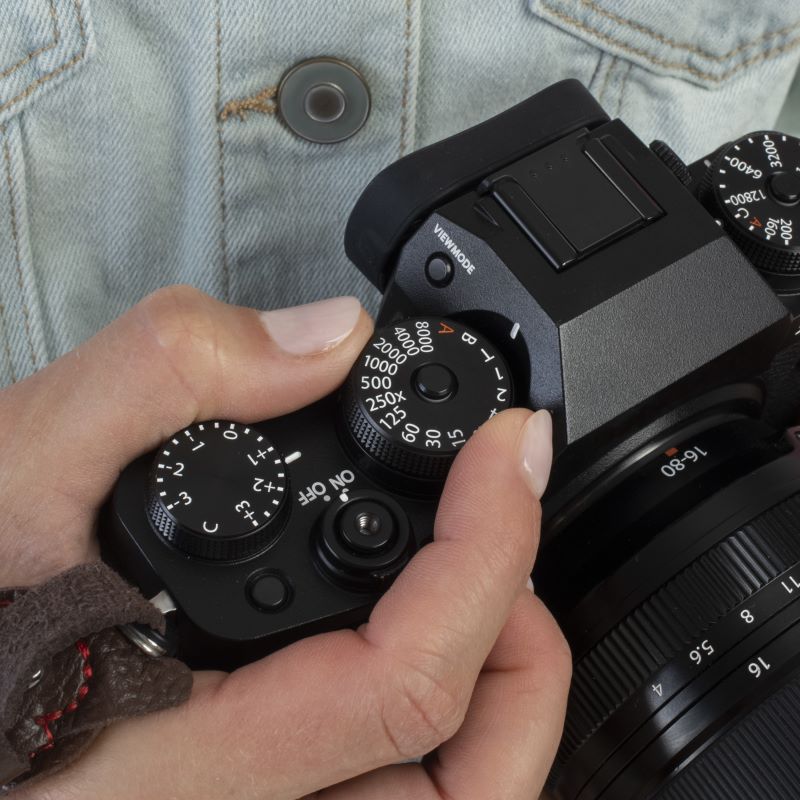
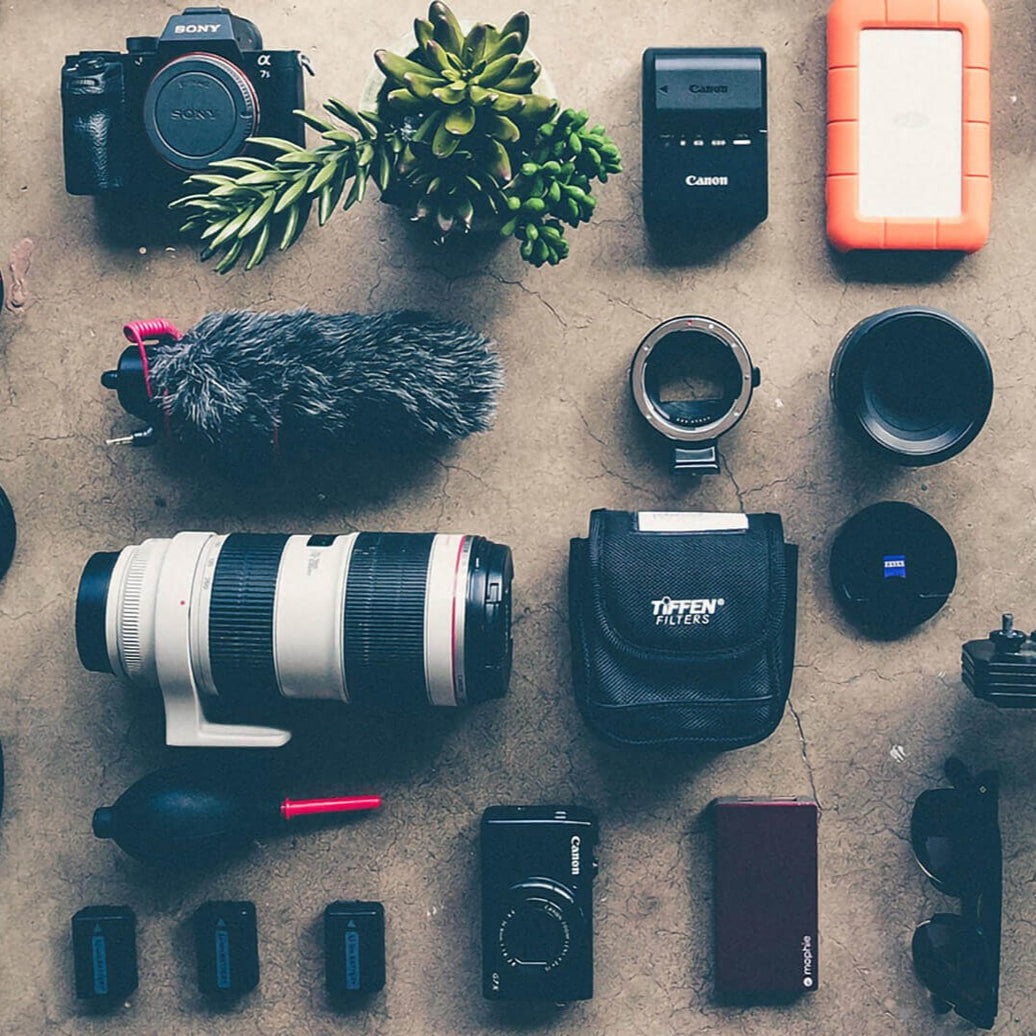
Cameras, lenses & electronics (fungus + corrosion risk)

Store:
-
camera bodies, lenses, filters
-
flashes, batteries (helps reduce corrosion risk)
-
drones, gimbals, microphones
Tip: Don’t store gear damp from rain—wipe down first, then store.
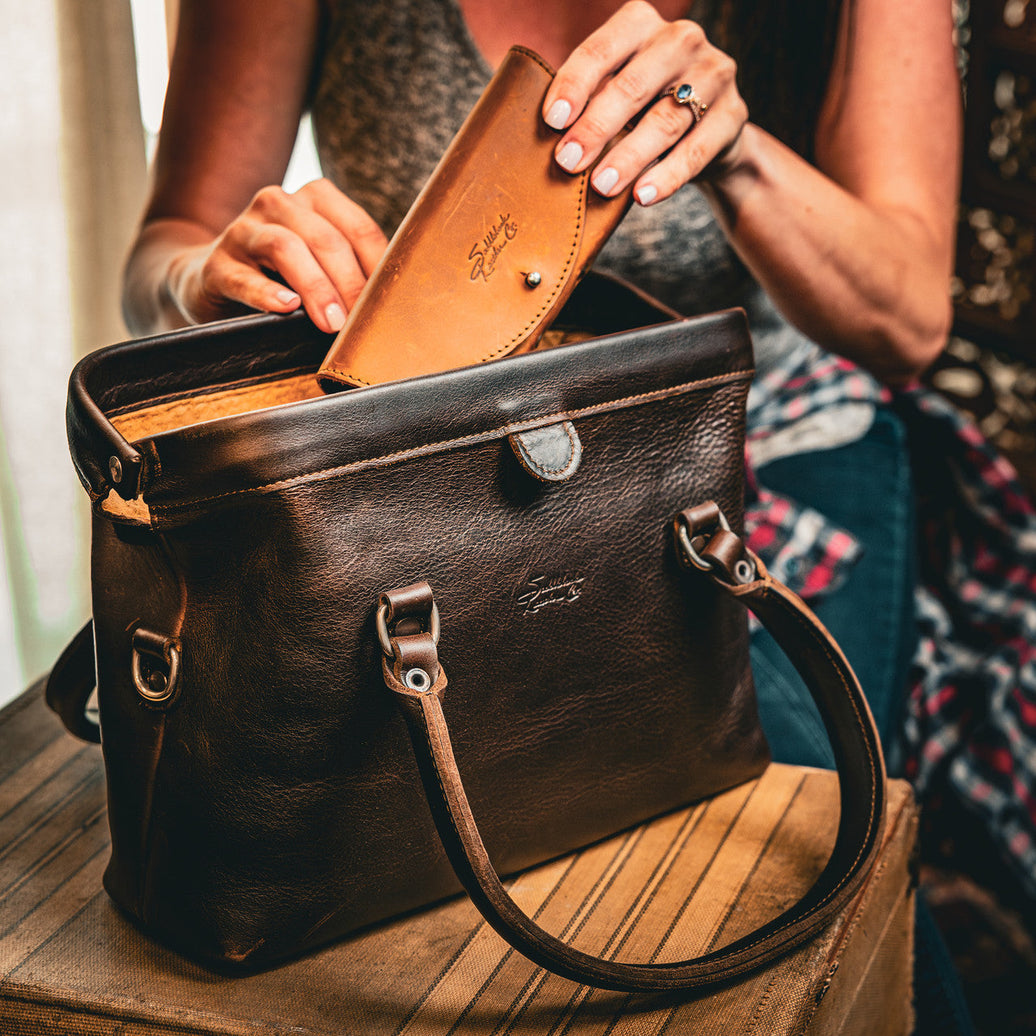
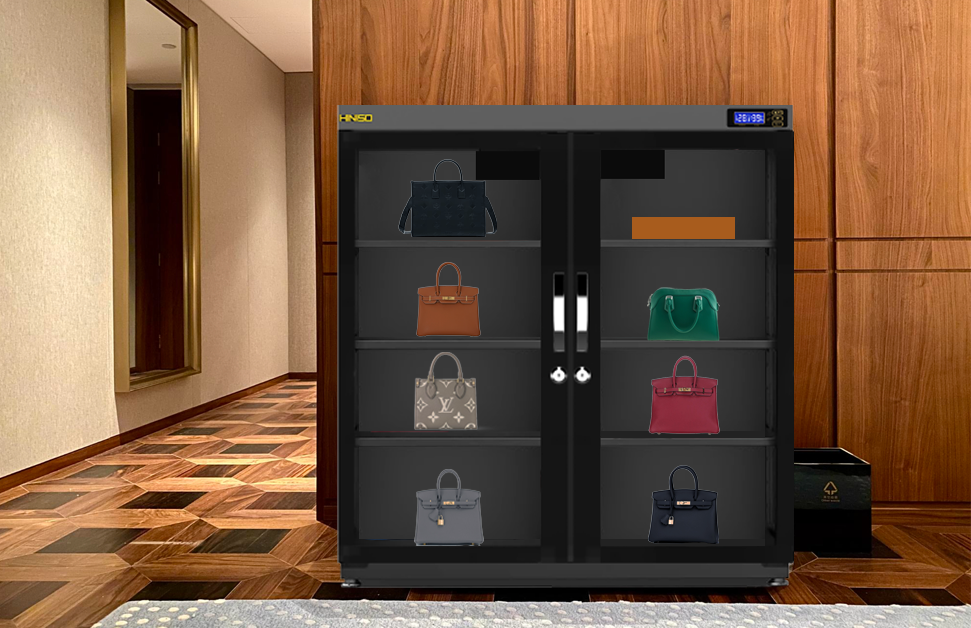
Handbags, leather goods & luxury items (mildew + odor)

Store:
-
leather handbags, wallets, belts
-
dust bags (clean and dry first)
-
leather shoes you don’t wear often
Practical habit: avoid sealing leather in plastic (traps moisture).
Watches, jewellery, collectibles (rust + tarnish)

Store:
-
watches (especially metal bracelets)
-
jewellery, silver pieces
-
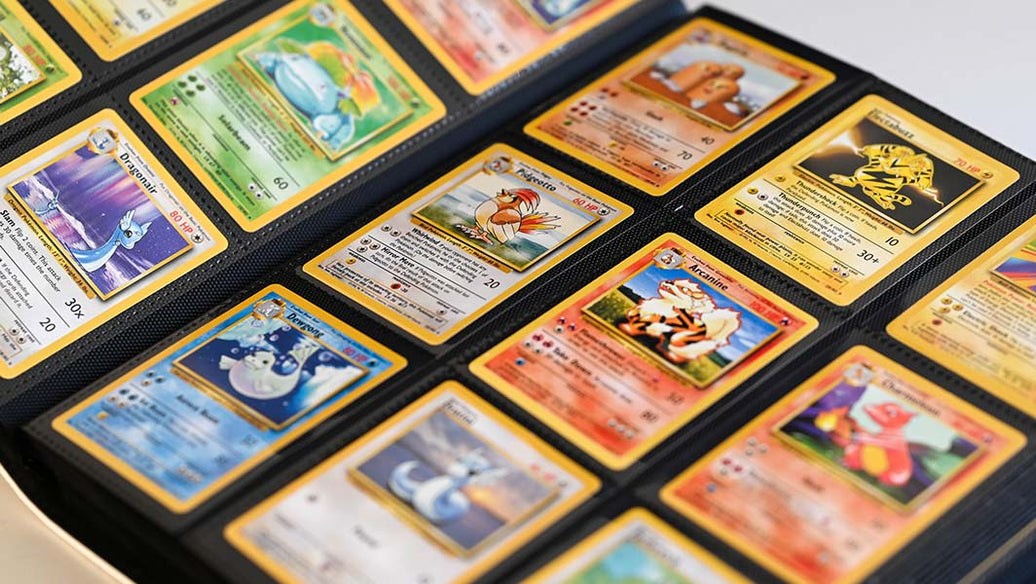
cards/collectibles sensitive to moisture
Important documents (warping + long-term degradation)

Store:
-
certificates, passports (use sleeves/folders)
-
contracts, stamps, photos/albums
6) Simple “set-and-forget” humidity settings
Start here:
-
Cameras/electronics: 30–50% RH
-
Leather/documents/collectibles: 40–60% RH
Then adjust slightly depending on your cabinet load and how often you open the door.
7) Daily habits that stop mold (even before you buy anything)
These make a big difference in Singapore:
-
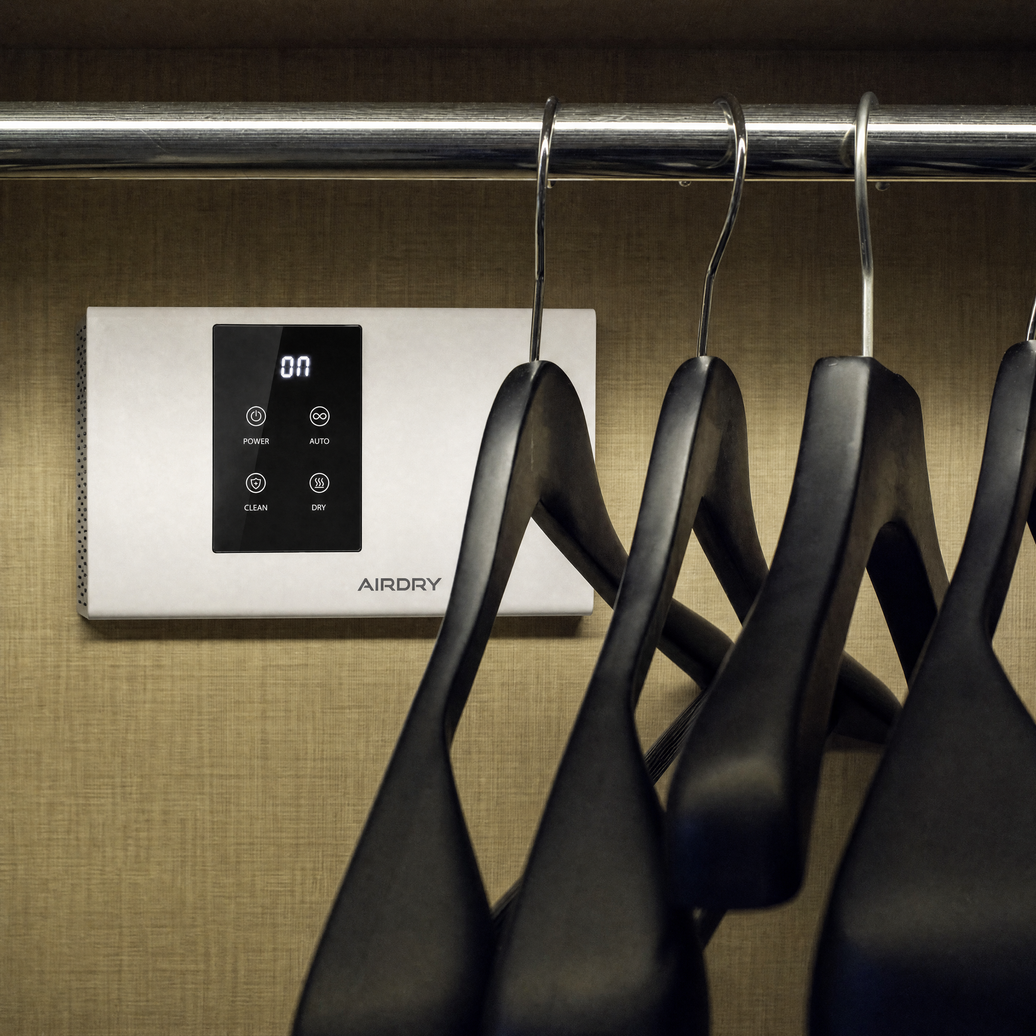
Keep wardrobes/storerooms ventilated (don’t keep everything sealed all day)
-
Don’t leave damp items in closed cabinets (especially after rain)
-
Maintain air-con filters and reduce indoor dampness where possible
Local reporting and guides often mention keeping indoor humidity lower (commonly “below ~60%”) to reduce mold risk.
Quick checklist
✅ High humidity is normal in Singapore (~82% mean annual RH)
✅ Mold thrives when moisture stays high long enough
✅ Protect high-value items by keeping storage RH stable (dry cabinet)
✅ Clean/dry items before storing (especially leather and camera gear)
✅ Keep a simple RH target: 30–50% (electronics) / 40–60% (general valuables)
Reference links
-
Singapore climate & humidity (NEA / weather.gov.sg):
https://www.weather.gov.sg/climate-climate-of-singapore/ -
NEA data portal (annual mean RH dataset):
https://data.gov.sg/datasets/d_31dbf162e94f76065e1e4c60a80a4264/view -
WHO Guidelines: Dampness and Mold (health evidence summary + PDF):
https://www.who.int/publications/i/item/9789289041683
PDF: https://salud-ambiental.com/wp-content/uploads/2011/01/WHO-guidelines-for-dampness-and-mould_E92645.pdf -
Building Science (RH guidance & mold control context):
https://buildingscience.com/sites/default/files/migrate/pdf/RR-0203_Relative_Humidity.pdf