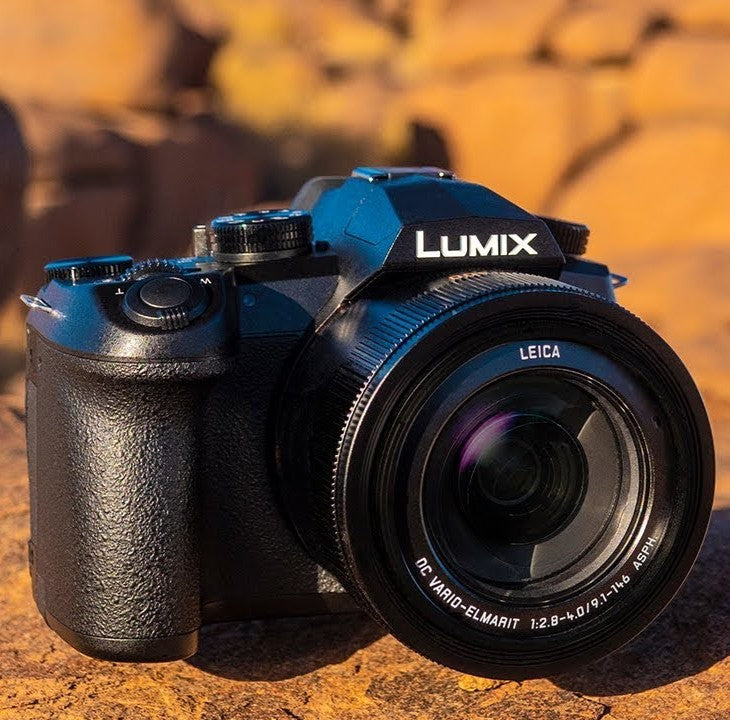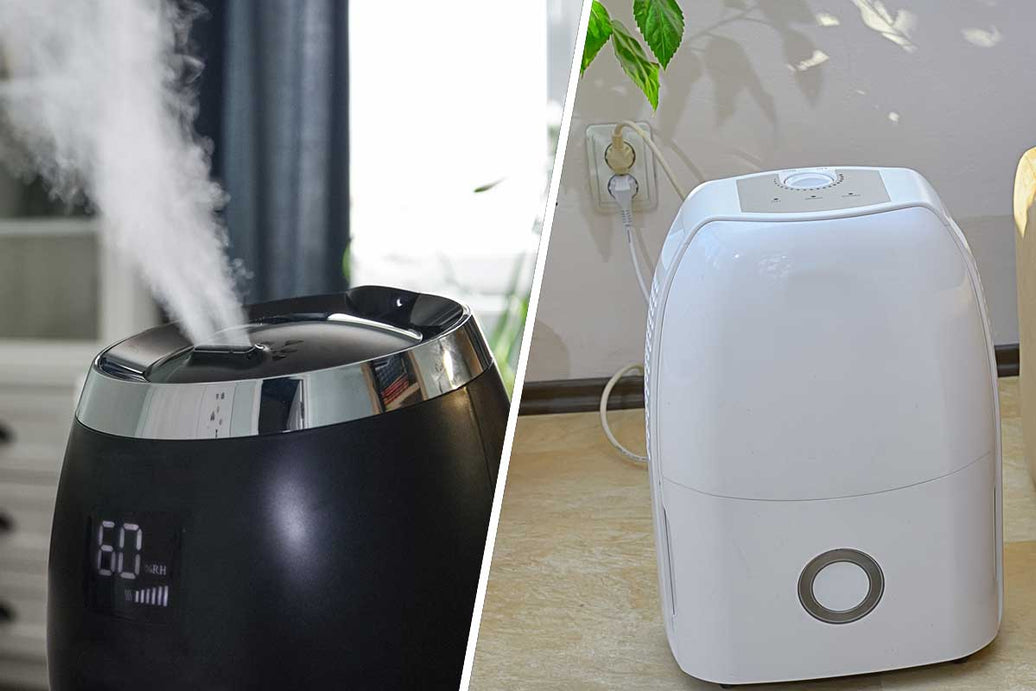
You pull your DSLR out of the bag after months of not touching it, and it hits you immediately: a damp, musty smell, almost like an old basement. The camera looks fine from the outside, so it's easy to assume something's wrong with the whole unit. In reality, it's usually one of two specific things, and both are caused by the exact same culprit: trapped humidity.
The Two Real Causes Behind the Smell
1. Fungus growing inside the lens

Fungus spores exist almost everywhere in the air around us, including inside your camera bag. Normally that's harmless, but a lens creates an almost perfect environment for those spores to settle in and grow: it's dark, it's enclosed, and there's often a thin layer of dust, skin oil, or fingerprint residue on the internal glass elements for the fungus to feed on.
Add humidity and months of sitting undisturbed, and that's exactly the combination fungus needs to take hold. Inside the lens, it often grows in branching, web-like patterns, which is why some affected lenses have a faint grayish, hazy pattern visible when you look through them toward a light.
2. The foam seals and dampers breaking down

Camera bodies use small strips of foam in a few places, around the mirror box, as a shutter dampener, sometimes around battery doors, for cushioning and light-sealing. Over time, that foam naturally breaks down, especially in heat and humidity, turning gummy and sticky. As it degrades, it releases a musty, slightly chemical smell that's easy to mistake for mold, even though it's really just the foam material deteriorating.
Both causes point back to the same root issue: moisture that had nowhere to go.
Why Unused Gear Gets Damaged Faster Than Gear You Use Often

A camera that gets used regularly is handled, powered on, and exposed to normal air movement, all of which helps keep any trapped moisture from building up. A camera sitting untouched in a closed bag or drawer for months doesn't get any of that. Whatever humidity was present when it was packed away just stays there, with nowhere to escape, for as long as the gear sits unused.
This is also why gear stored in a humid climate is at much higher risk. Warm, humid air holds a lot more moisture than cool, dry air, and that moisture has to go somewhere, often straight into your camera bag.
How to Prevent It Going Forward
-
Store gear with silica gel packs, and replace them regularly.

The color-changing indicator beads (usually turning from blue or orange to pink or clear) tell you when they've absorbed as much moisture as they can and need replacing or recharging.
-
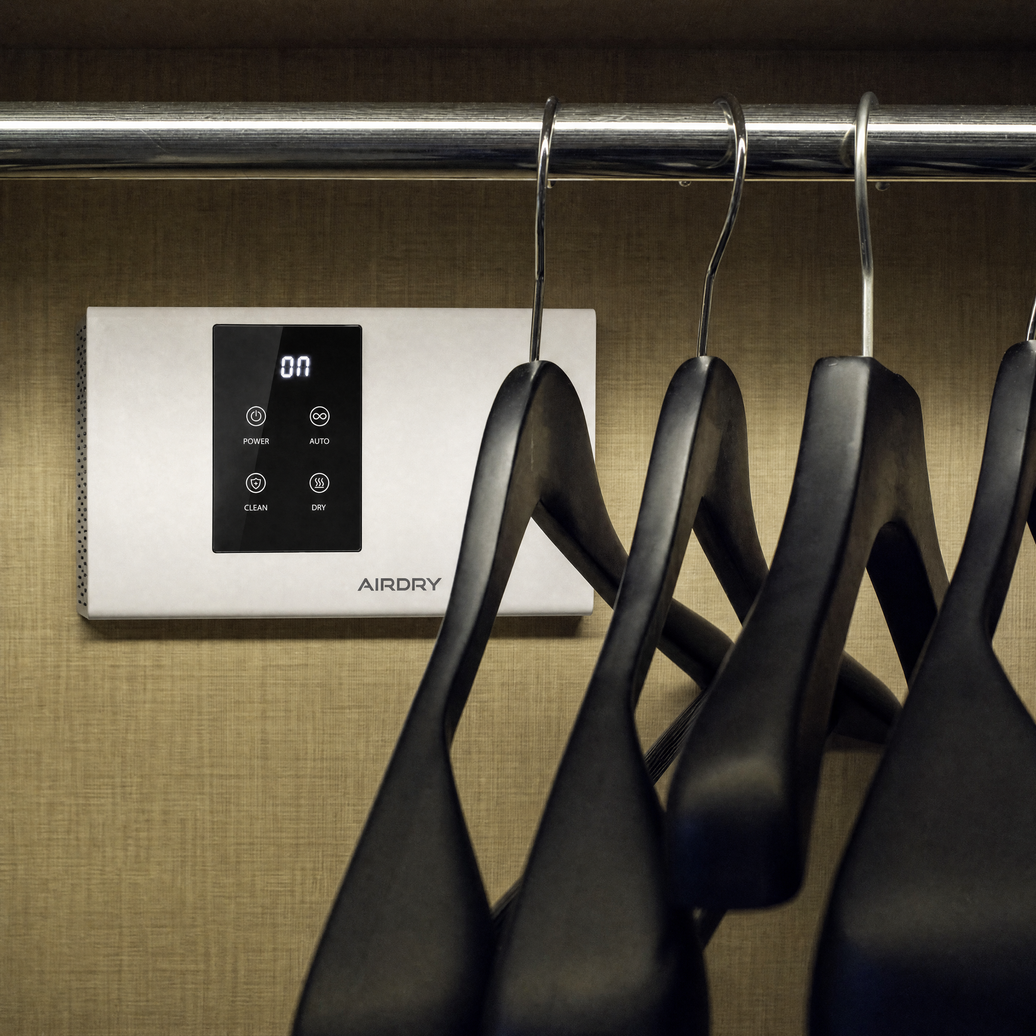
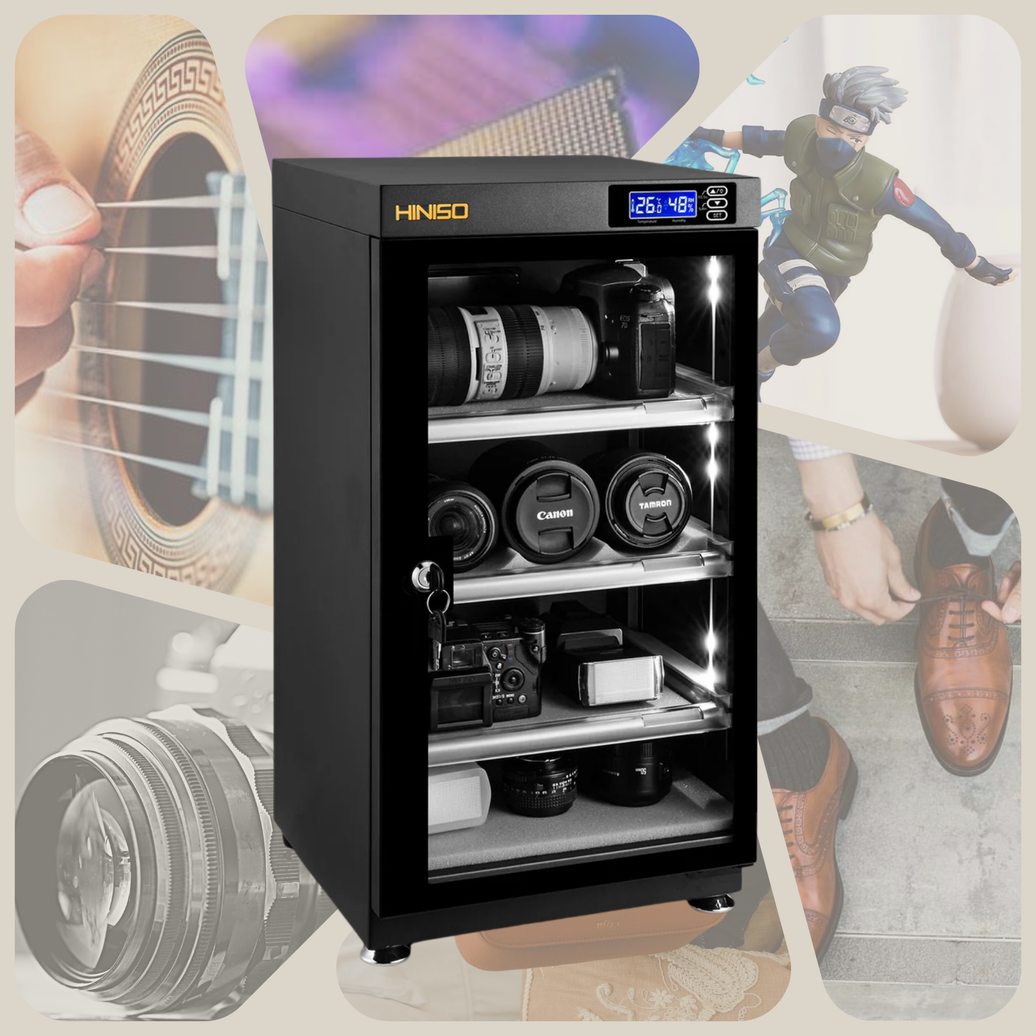
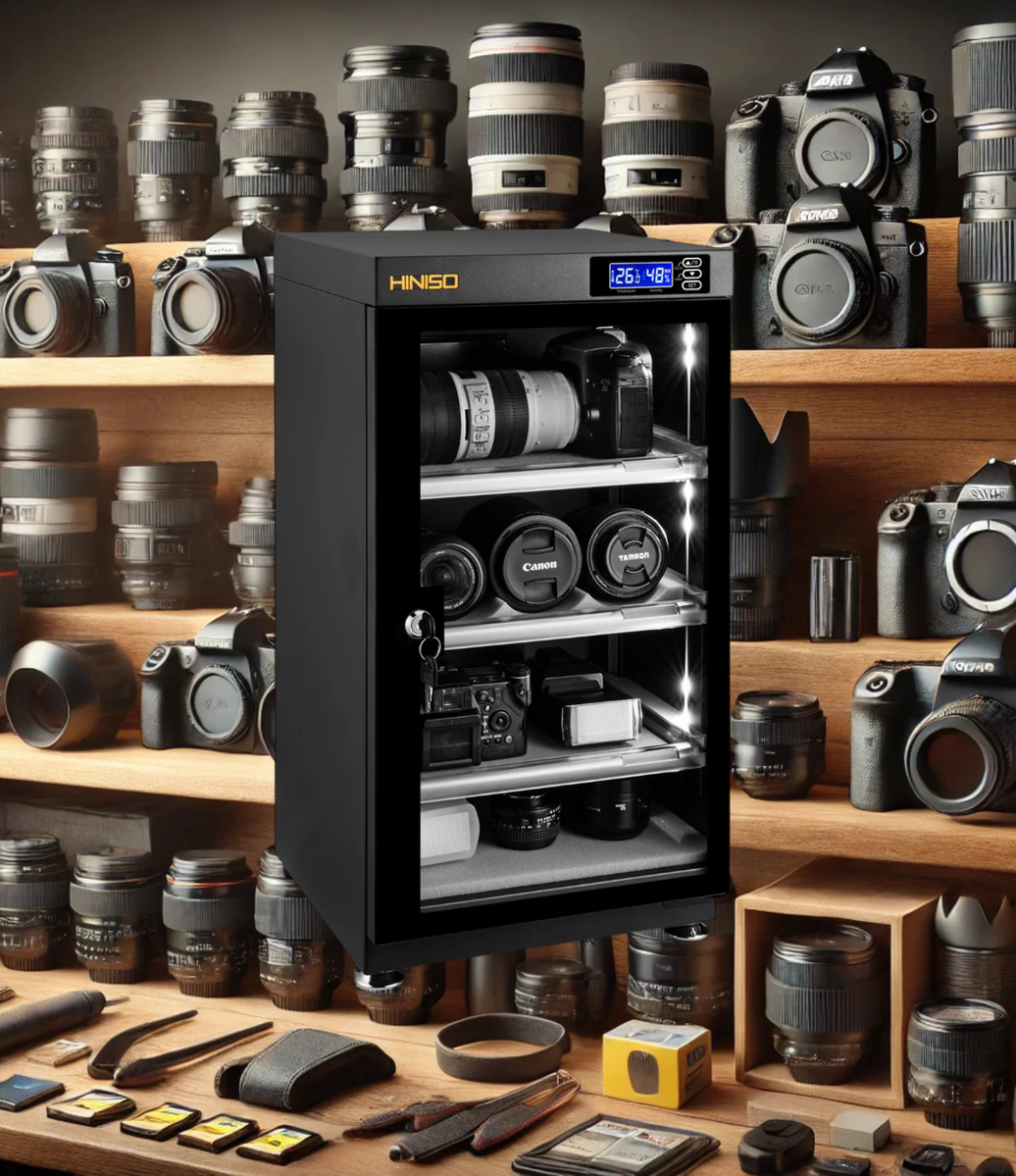
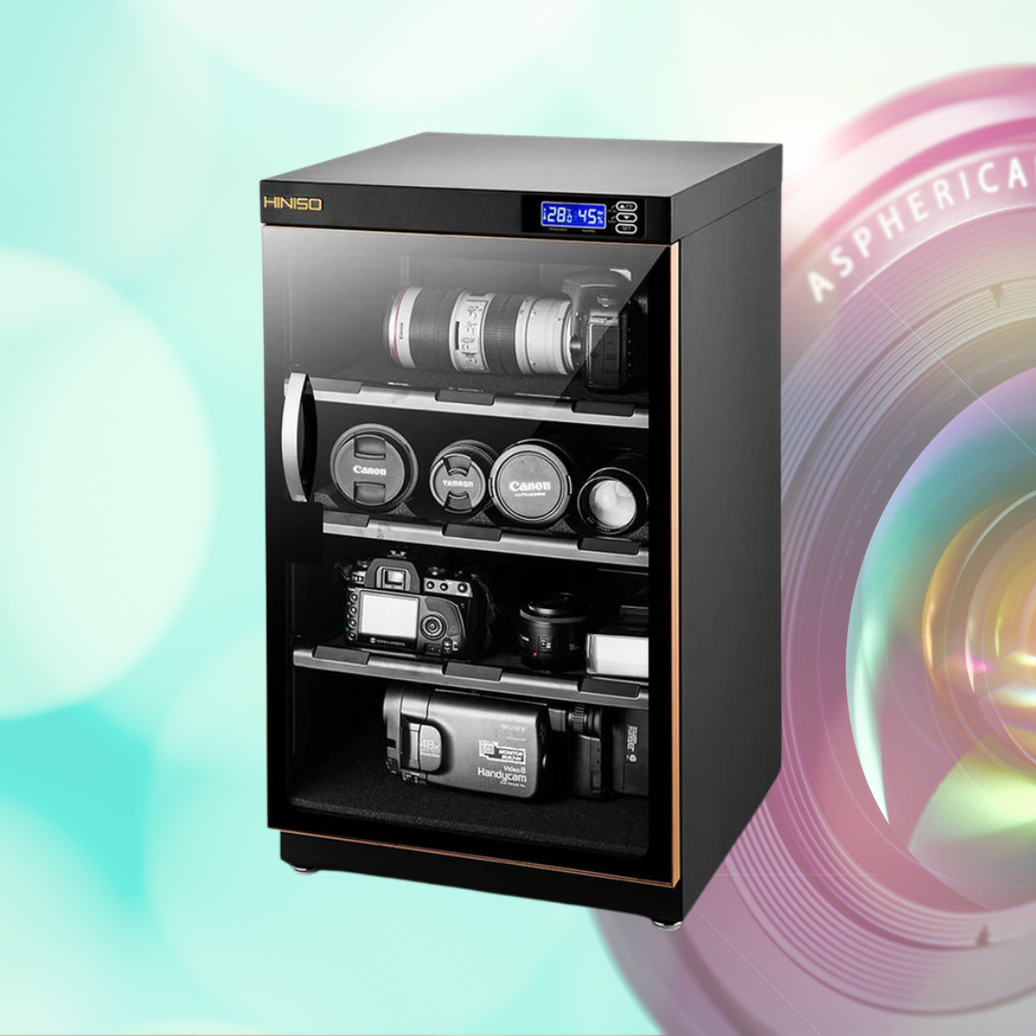
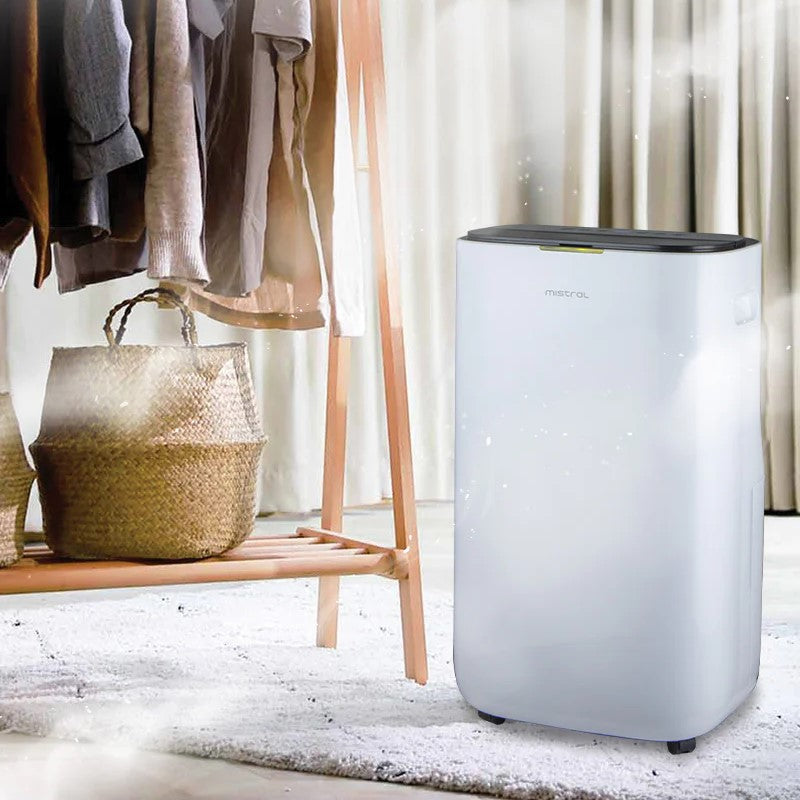
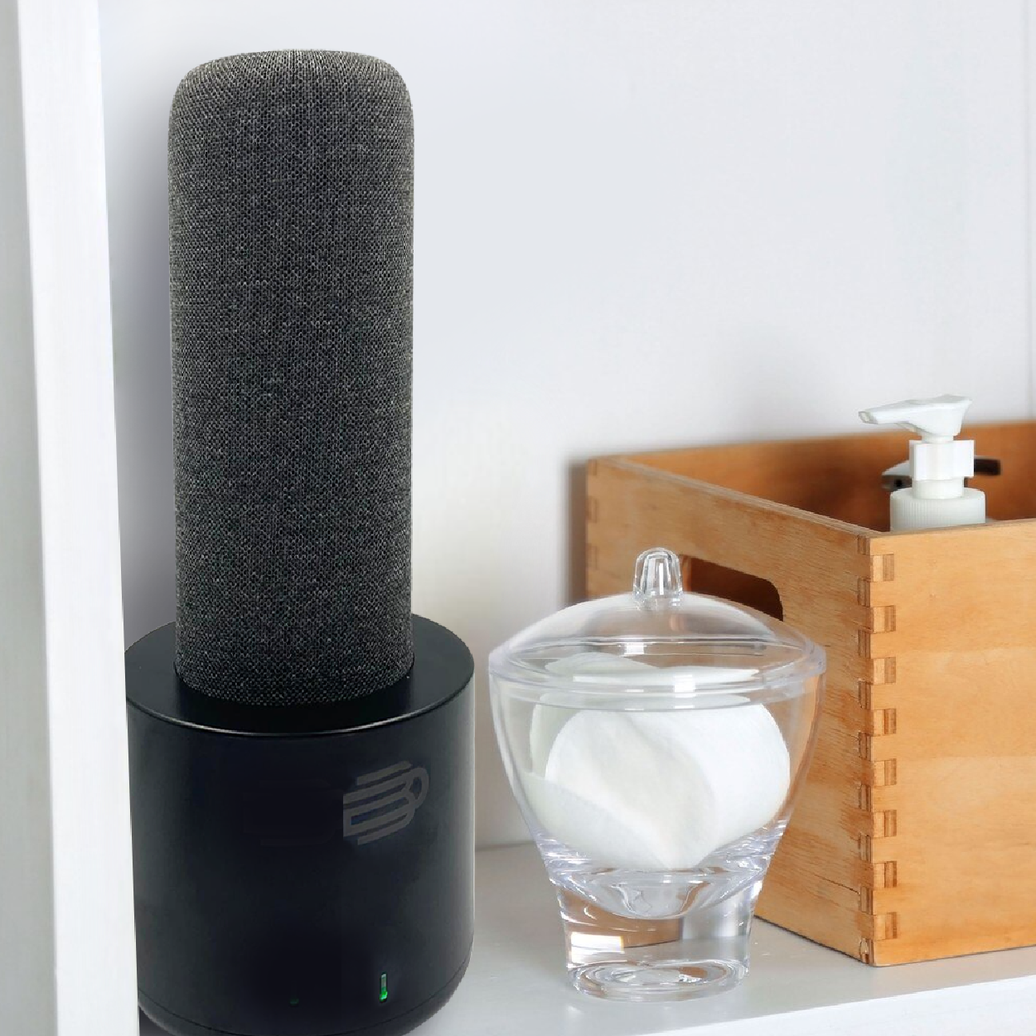
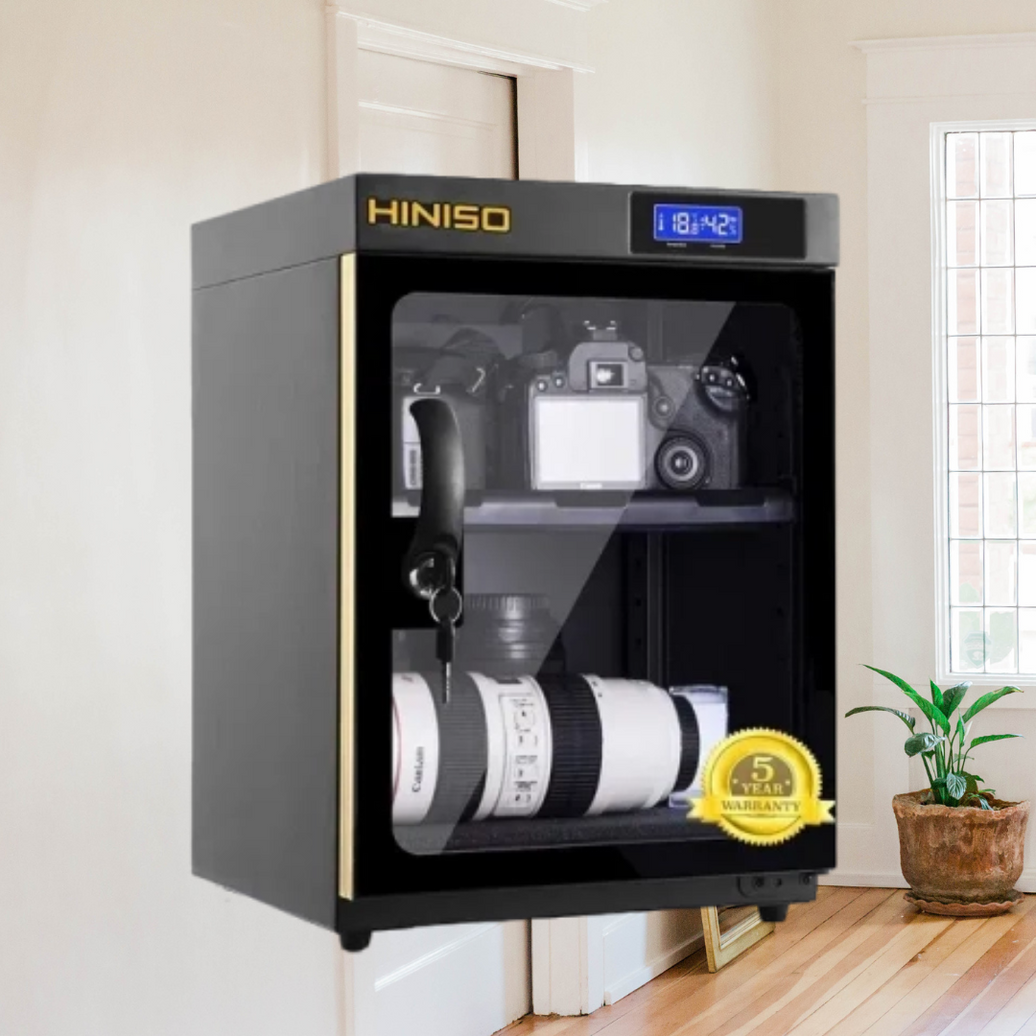
Use a dry cabinet if you live somewhere humid.

A dehumidified storage cabinet, common among photographers in tropical and humid climates, keeps gear at a steady low humidity (usually recommended around 40–50% relative humidity) without any daily effort on your part.
-
Avoid sealed plastic bags with no desiccant.
An airtight bag without something to absorb moisture just traps whatever humidity was already there, which is the opposite of what you want.
-
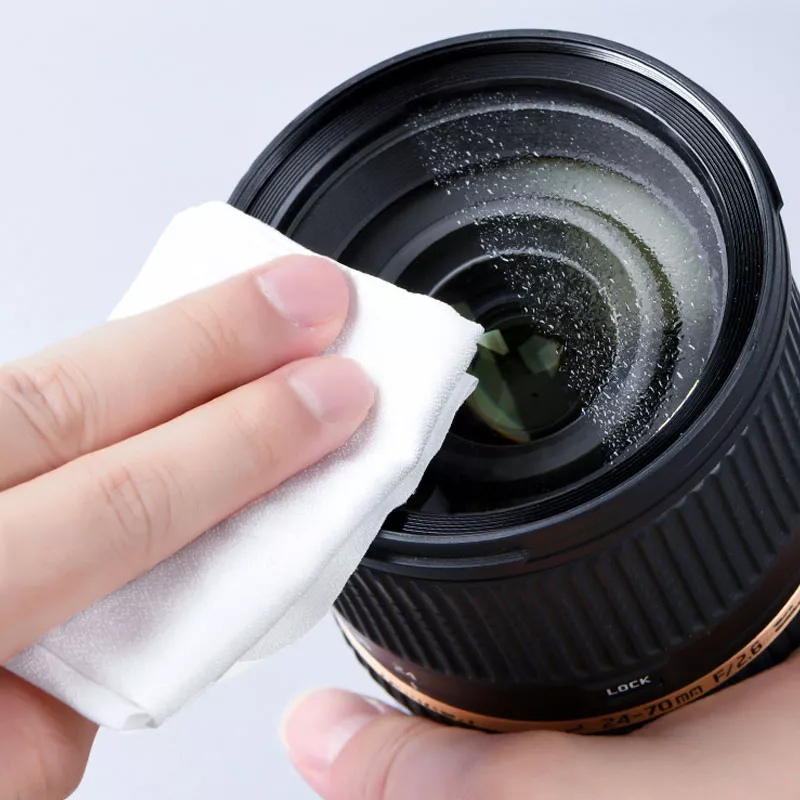
Clean lenses before putting gear away long-term.

Wiping off fingerprints and dust means there's less organic residue sitting there for fungus to feed on later.
-
Take gear out and use it occasionally, even briefly.
Powering it on and letting some air circulate every few weeks helps prevent moisture from just sitting still the whole time.
-
Store it somewhere dry in the house, not a closet or basement.
Rooms with less airflow and more ambient humidity (especially anywhere near a bathroom, kitchen, or an exterior wall) are worse spots for long-term gear storage.
-
Act quickly if you notice a smell or haziness.

Lens fungus can be professionally cleaned if caught early, but left untreated, it can permanently etch the lens coating, which cleaning can't fix after the fact.
Frequently Asked Questions
Is the musty smell from camera fungus actually harmful to me? It's not considered a serious health hazard in small amounts, but it's not something to ignore either. More importantly, it can permanently damage your lens if left untreated, which is the bigger concern.
Will the smell go away if I just air the gear out? Sometimes, if the cause is lingering humidity in the bag or case rather than active fungus or degraded foam. If the smell persists after airing it out for a few days, it's worth having the gear inspected.
Does sitting unused really cause more mold than regular use? Yes. Regular handling and air exposure actually works against fungus growth, while sitting sealed and undisturbed for months gives trapped moisture time to do its damage.
What humidity level is actually safe for storing camera gear? Most photography guidance points to somewhere around 40–50% relative humidity as the sweet spot, enough to avoid dryness issues while staying well below the range fungus needs to thrive.
The Takeaway
A musty smell from a DSLR that's been sitting unused almost always comes down to trapped moisture, either feeding fungus growth inside the lens or breaking down the foam seals in the body. Both are preventable with the same basic habit: keep gear dry, give it occasional use and airflow, and store it somewhere that doesn't let humidity just sit and build up for months at a time.