Why Your Closet Smells Musty (And How to Fix It)

You open your wardrobe door, reach for your favourite shirt, and it hits you — that damp, stale, vaguely unpleasant smell. It clings to your clothes, lingers in the room, and no amount of air freshener seems to fix it for long. Sound familiar?
If you're living in Singapore, you're fighting an uphill battle. With year-round humidity hovering between 70–90%, our tropical climate is practically designed to make closets smell musty. It's not a hygiene problem — it's a physics problem. And most people make it worse by masking the smell instead of addressing the real cause.
Here's everything you need to know about why your closet smells musty in Singapore's climate, what's actually happening inside it, and how to fix it the right way.
What Causes a Musty Smell in Your Closet?
1. Singapore's Humidity — The Root of the Problem

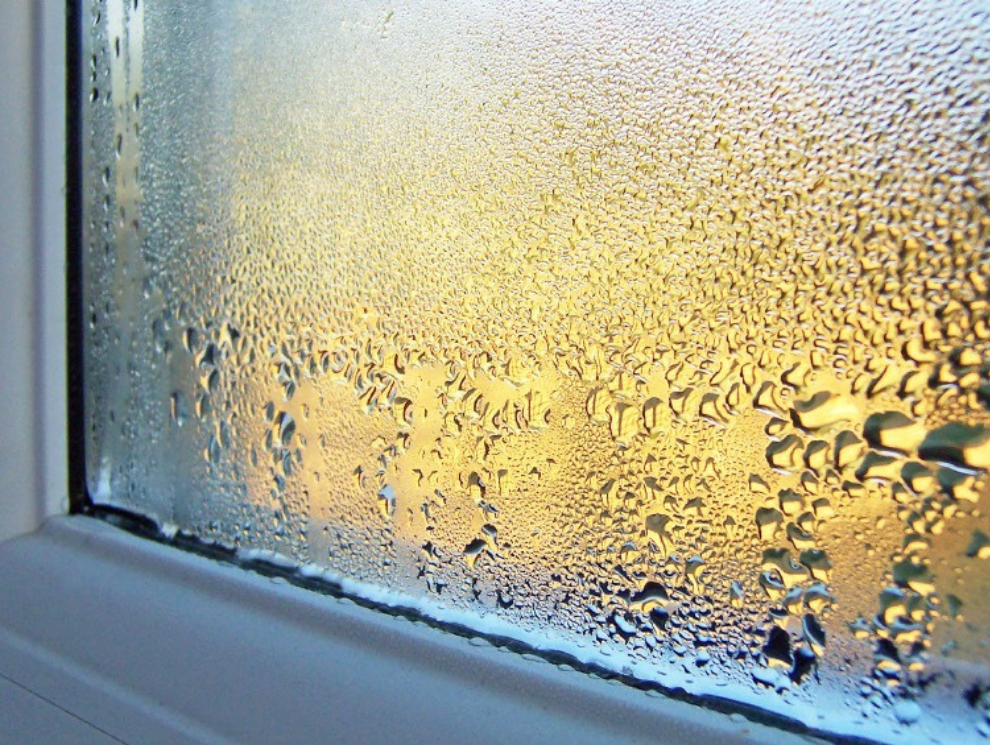
Let's be direct: Singapore's climate is the single biggest reason closet odours are so persistent here. At 70–90% relative humidity for most of the year, moisture is constantly present in the air around us. The moment that air gets trapped inside an enclosed wardrobe or built-in cabinet — which closets are designed to be — you have the perfect breeding ground for mould, mildew, and odour-causing bacteria.
These microorganisms release compounds called microbial volatile organic compounds (MVOCs), which produce that distinctive musty, earthy smell. Unlike temperate countries where musty closets tend to be a seasonal problem, in Singapore it can happen year-round, and it happens fast.
Other sources of closet moisture include:
- Air conditioning cycles — when you turn off the aircon, warm humid air rushes back in and condenses on cooler surfaces inside the wardrobe
- Damp or barely-dry clothes hung or folded away before they're fully dry — especially common when air-drying laundry indoors during rainy season
- HDB and condo construction — many homes have wardrobes built against exterior-facing walls, which absorb heat and moisture from outside
- Monsoon season humidity spikes — the Northeast and Southwest monsoons bring sustained periods of near-constant rain and elevated humidity
- Poor ventilation in bedrooms — smaller rooms in HDB flats and condos often rely solely on aircon for ventilation, leaving wardrobes in stagnant air when the unit is off
2. Mould and Mildew Growth

Once humidity rises above 60% — well below Singapore's ambient average — mould and mildew begin to colonise. Mould spores are always present in the air; they only need moisture and an organic surface to take hold. Inside a wardrobe, that means your wooden shelves, fabric garments, leather shoes, bags, and even the back panel of the cabinet itself.
Mould growth isn't always visible at first. It often begins behind shelves, in corners, or on the back of hanging clothes — invisible until the smell becomes noticeable, or worse, until you spot discolouration on a prized piece of clothing or a designer bag.
3. Damp Clothes Put Away Too Soon

In Singapore, we often air-dry laundry indoors — especially during the rainy months when hanging clothes outside isn't always practical. Clothes dried indoors take longer to dry fully, and if they're packed away even slightly damp, they introduce moisture directly into the wardrobe. Even one or two items can raise the humidity in a small enclosed space significantly. Over time, the organic material in sweat and skin oils also feeds bacteria, compounding the odour.
4. Poor Air Circulation

Wardrobes and built-in cabinets are sealed by design — which is great for keeping dust out but terrible for airflow. Without regular air exchange, humid Singapore air sits stagnant inside. Tightly packed clothes make this worse by blocking any residual circulation.
5. Storage Materials and Boxes

Cardboard boxes — frequently used for shoe storage or to organise wardrobe shelves — are highly hygroscopic, meaning they readily absorb and hold moisture. In Singapore's humidity, cardboard boxes essentially act as moisture sponges inside your wardrobe. Older fabric storage bags and luggage pieces can harbour hidden mould colonies and contribute silently to persistent smells.
How to Tell If Your Wardrobe Has a Moisture Problem
Not sure if humidity is truly your issue? Look out for these signs:
- Persistent musty odour that returns even after cleaning
- Clothes that smell musty even when freshly laundered and folded
- Visible mould or mildew on walls, shelves, or clothing items
- Mould spots on leather — shoes, bags, or belts are often the first casualties
- Water stains or condensation on wardrobe walls or the floor panel
- Warped wooden shelves or swollen cabinet panels
- Damp-feeling clothes or fabric items after storage
- Allergic reactions such as sneezing or irritated eyes when opening the wardrobe
If you're seeing more than one or two of these, you're dealing with a genuine humidity issue — and in Singapore, it's only going to worsen if left unaddressed.
How to Get Rid of Musty Smell in Your Wardrobe
Step 1: Empty and Clean Thoroughly

Remove everything from the wardrobe. Check each item for mould spots — leather goods and natural fibre garments are most vulnerable. Set aside anything affected for separate treatment. Wipe down all surfaces (walls, shelves, rods, base panels) with a solution of white vinegar and water (1:1 ratio) or a diluted bleach solution. Leave the wardrobe doors open and allow it to air out completely — ideally with aircon running — before moving on.
Step 2: Treat Affected Clothes and Items

Any garment that smells musty needs to be washed. For stubborn smells, add a cup of white vinegar to the wash cycle along with your regular detergent. For delicates or dry-clean items, air them out in direct sunlight for a few hours — UV rays are naturally antimicrobial and very effective at killing odour-causing bacteria.
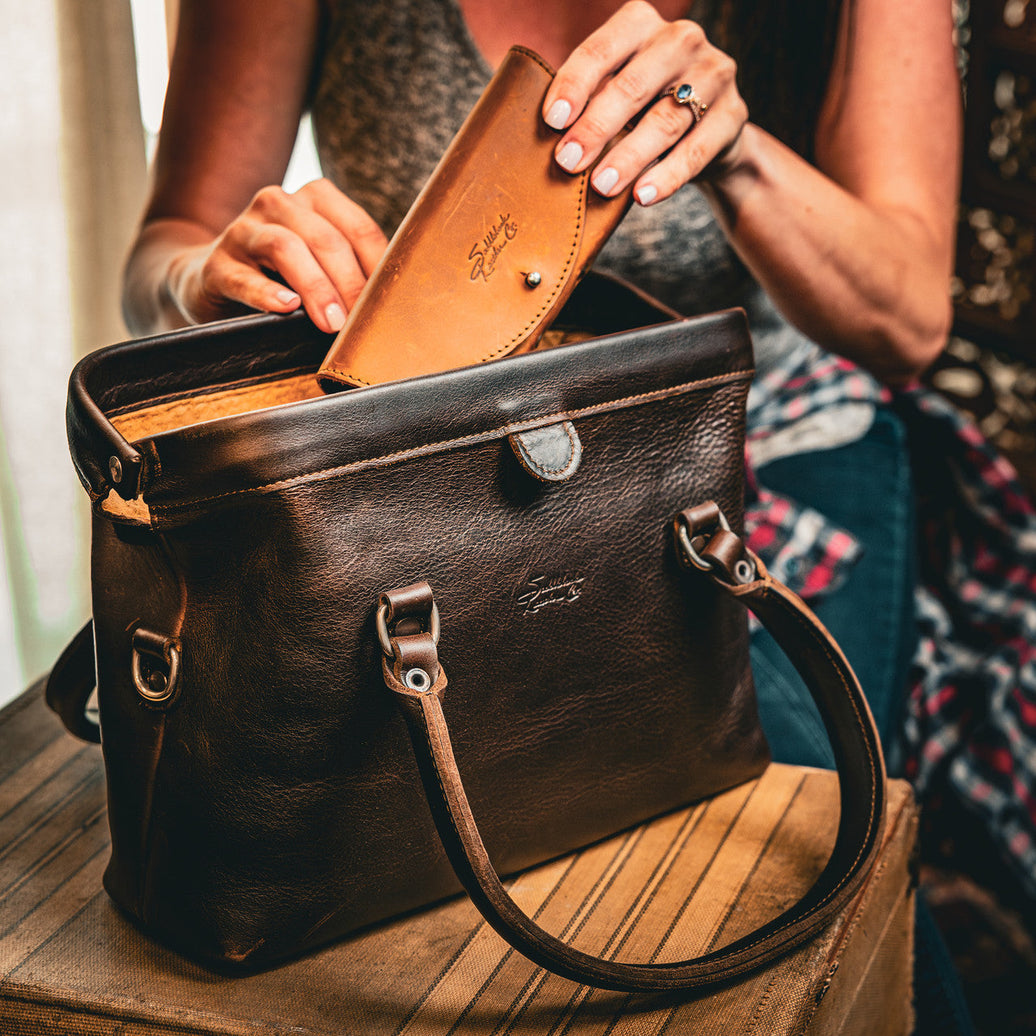
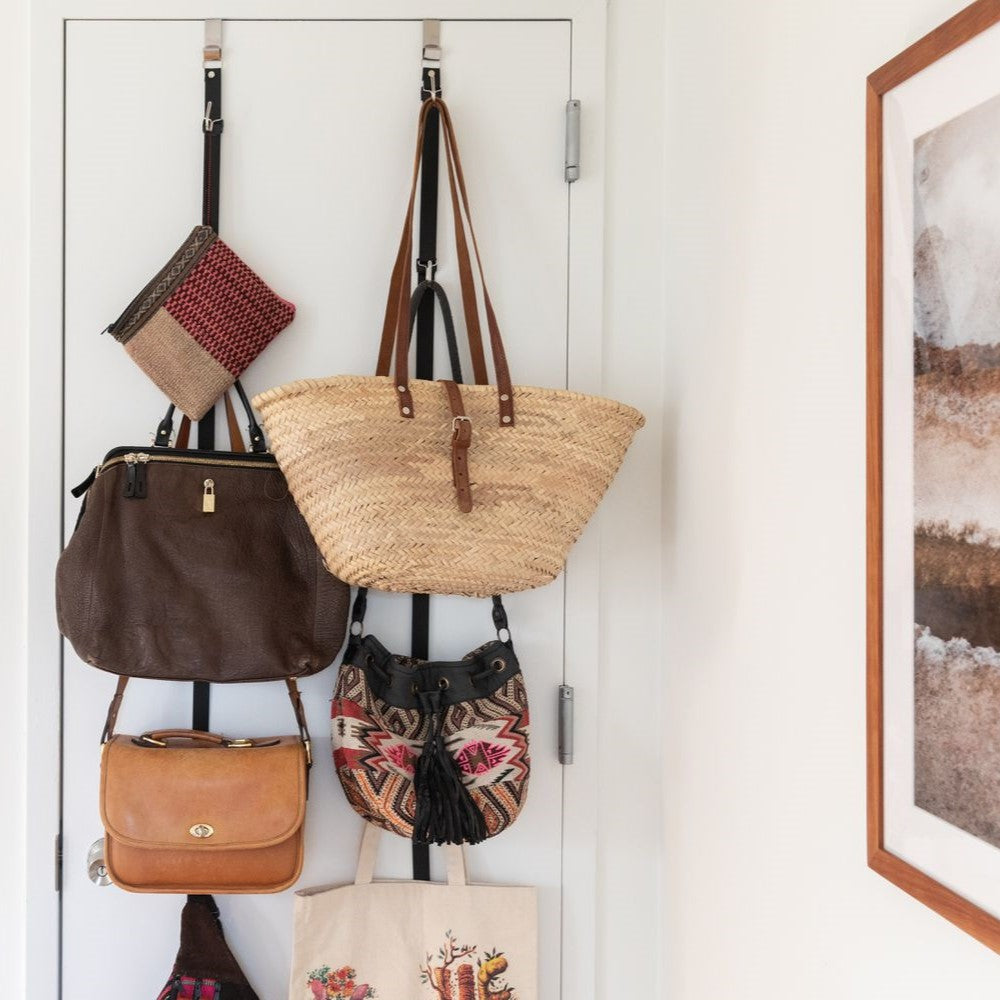
For leather bags and shoes with mould spots, wipe gently with a cloth dampened in diluted white vinegar or a dedicated leather cleaner, then condition and allow to dry fully before returning to storage.
Important: Never return items to the wardrobe until you've addressed the root cause — the humidity. Otherwise, clean clothes will pick up the smell again within days.
Step 3: Improve Ventilation
Leave wardrobe doors slightly ajar for a few hours each day when the aircon is on. If you have louvred wardrobe doors, they're already doing you a favour — the slats allow passive airflow even when closed. For walk-in wardrobes, a small USB-powered circulation fan tucked onto a shelf can make a noticeable difference.
Step 4: Remove Moisture at the Source
This is the most critical step — and the one most people skip in favour of quick fixes.
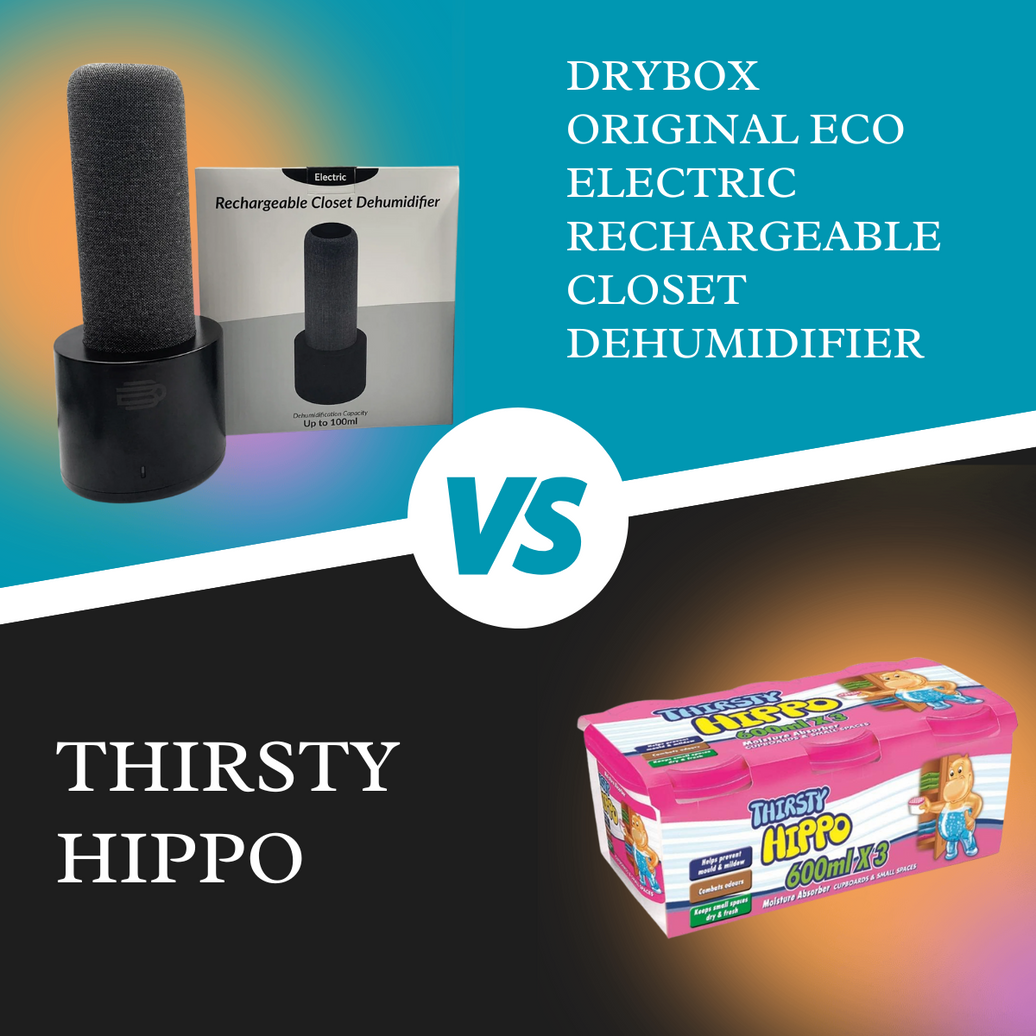
Desiccant sachets (calcium chloride or silica gel, sold at Daiso, NTUC, or hardware shops) absorb some moisture and work reasonably well for mild cases. However, in Singapore's climate, they max out quickly — sometimes within weeks — and need to be replaced or recharged constantly. They're a stopgap, not a solution.
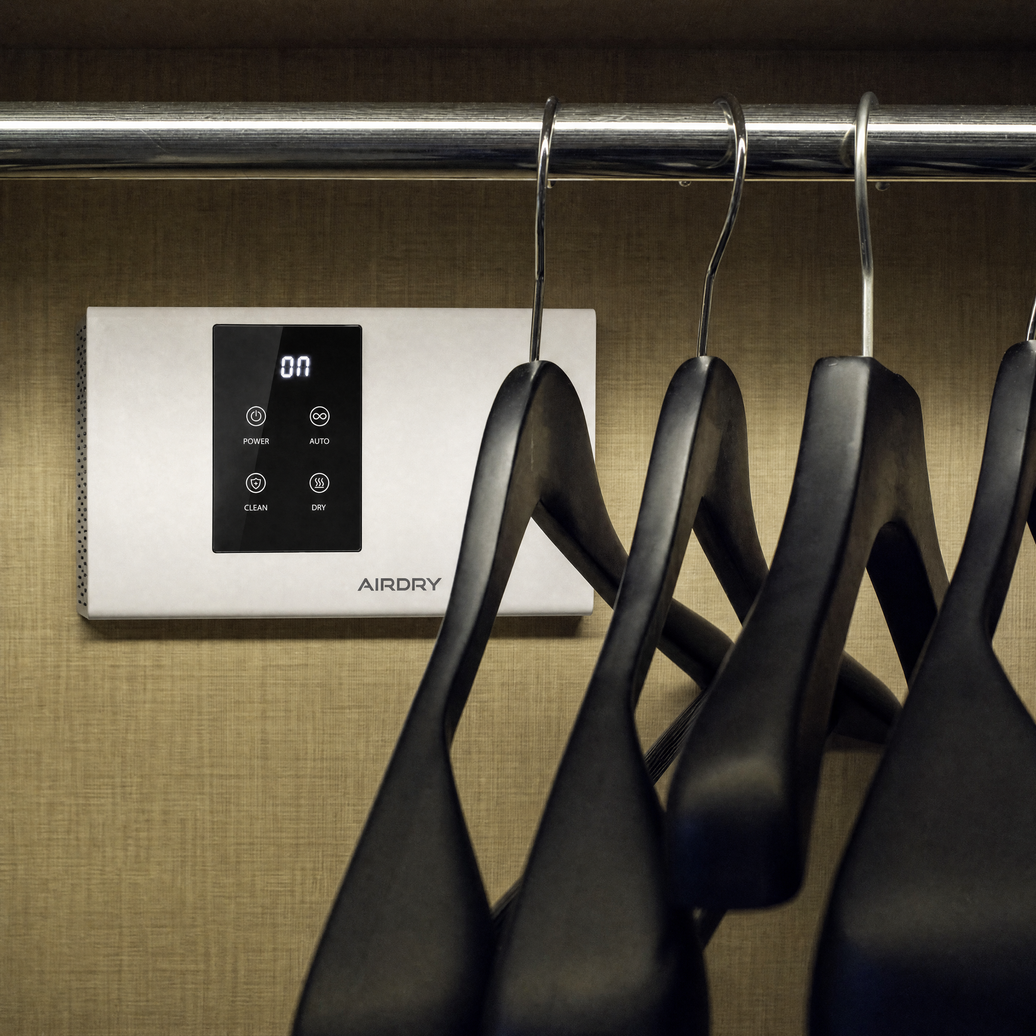
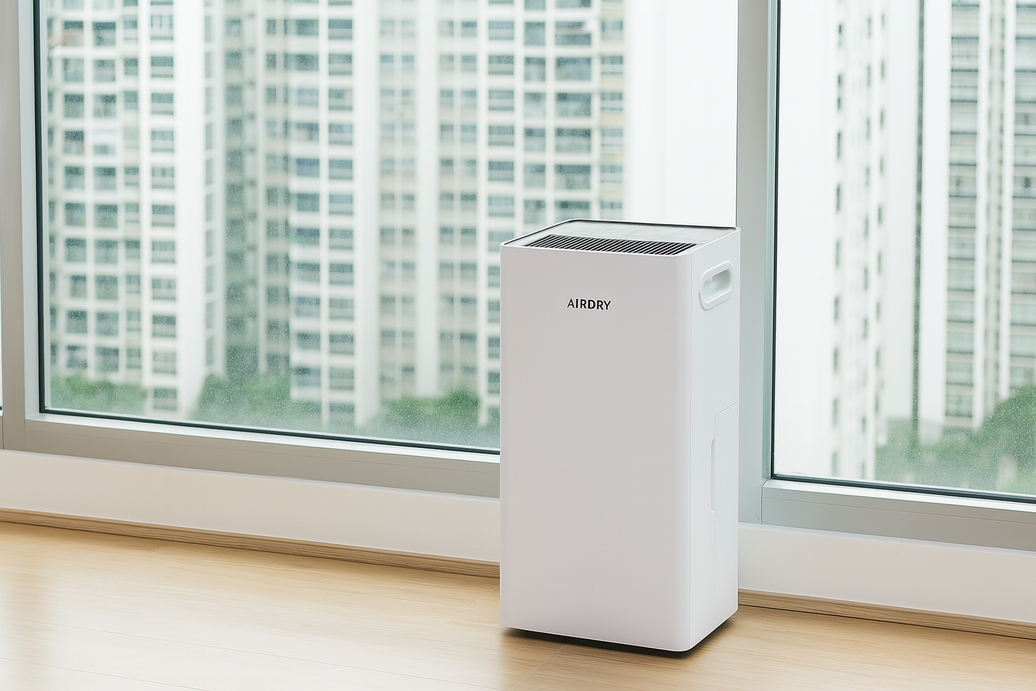
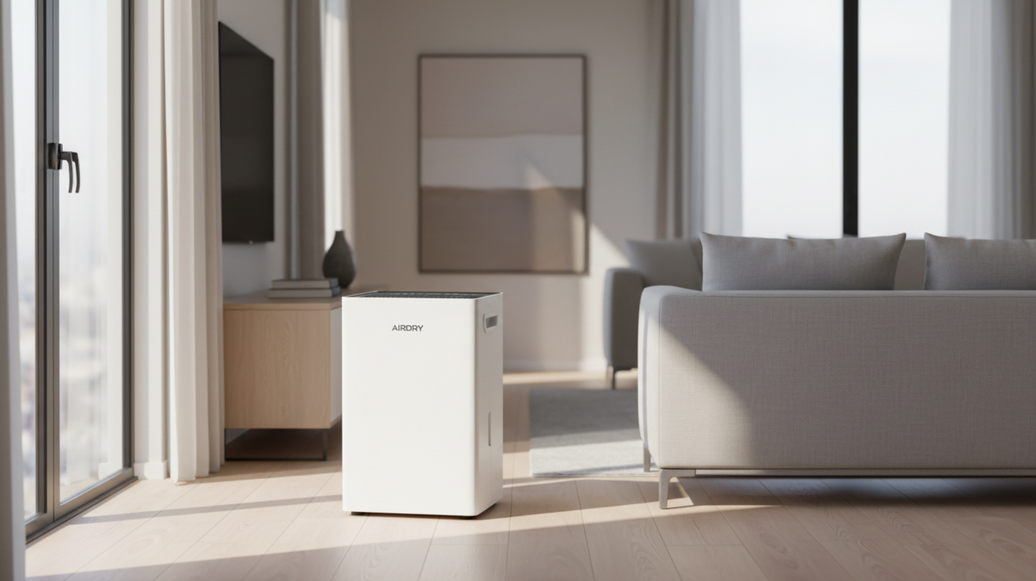
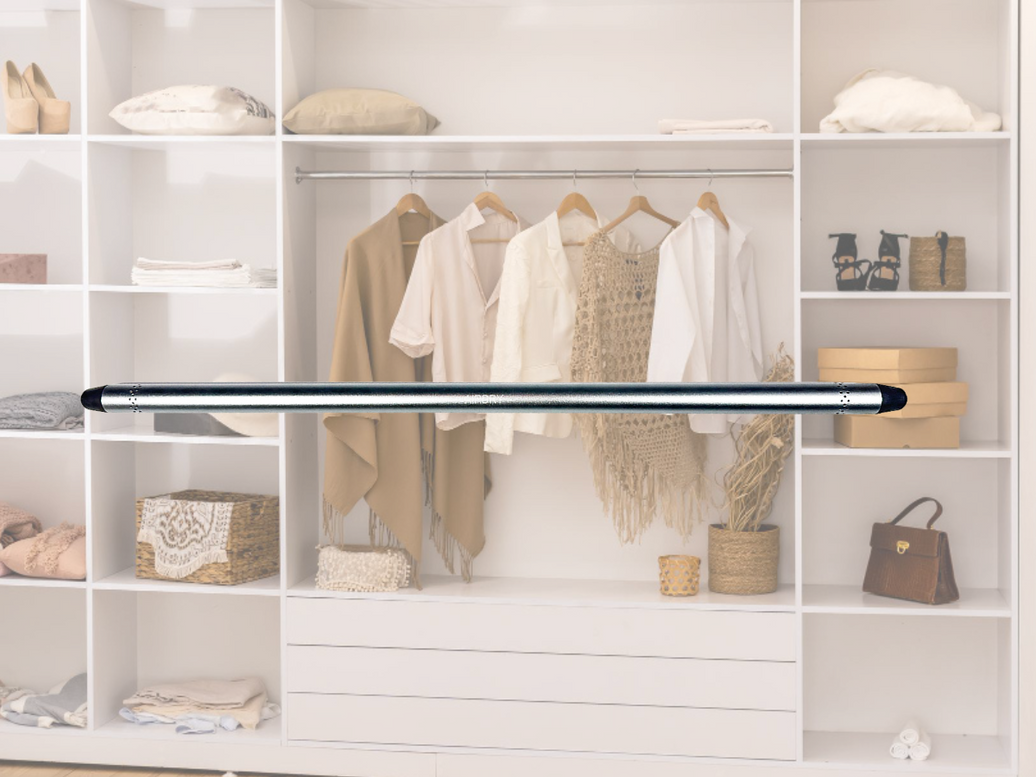
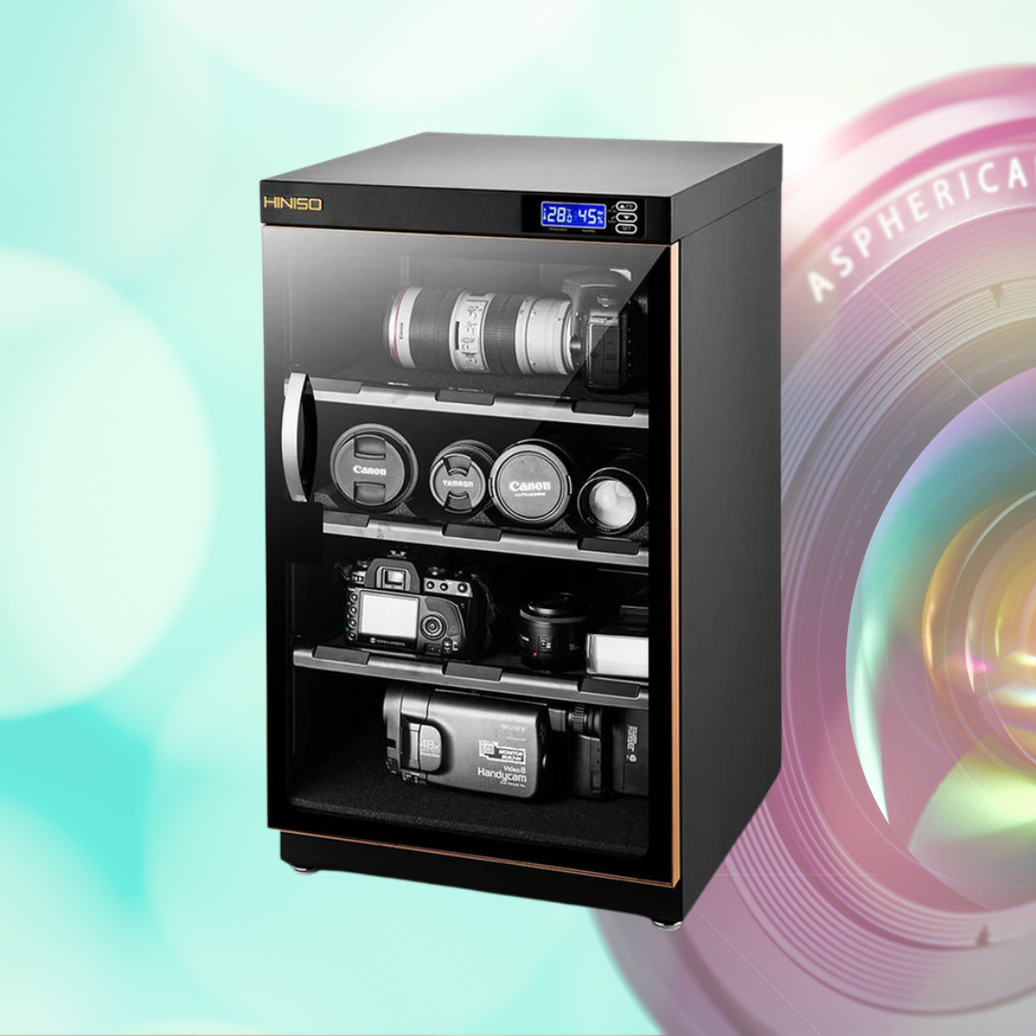
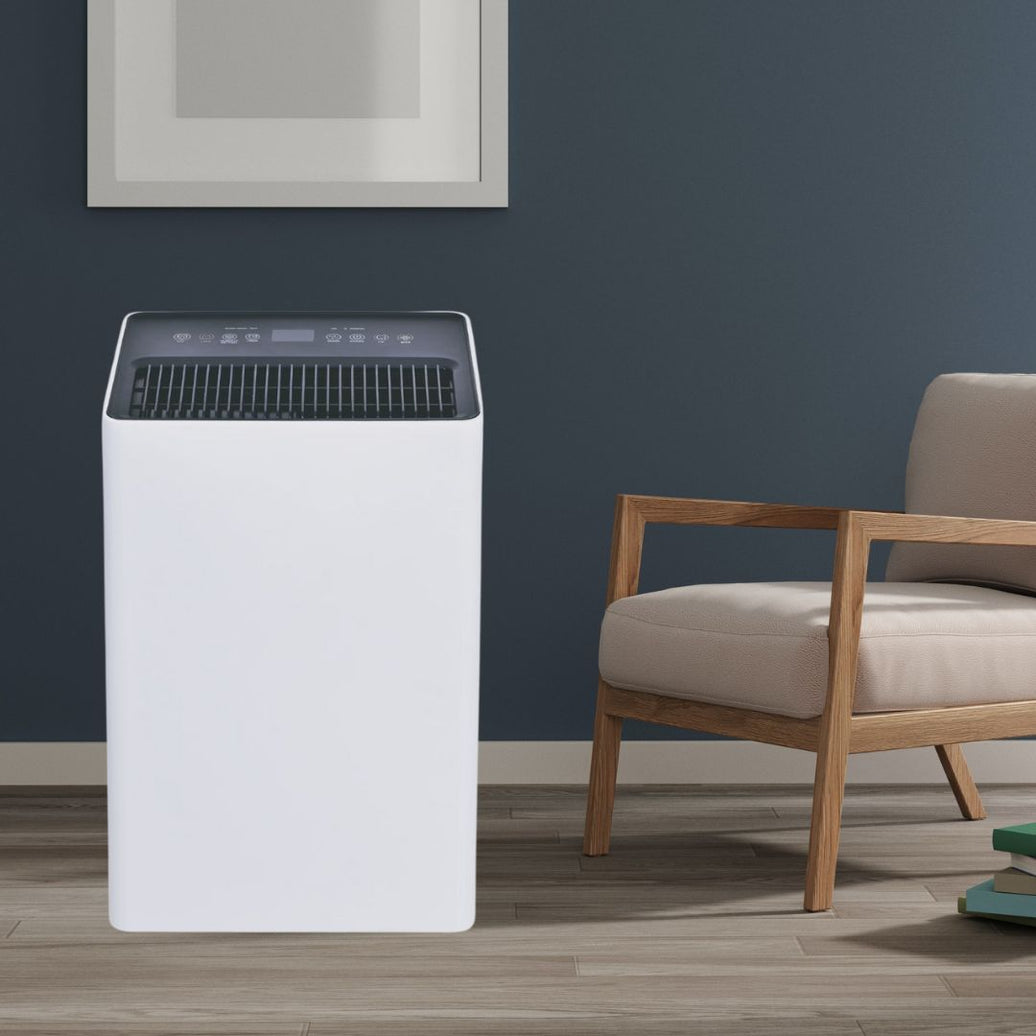
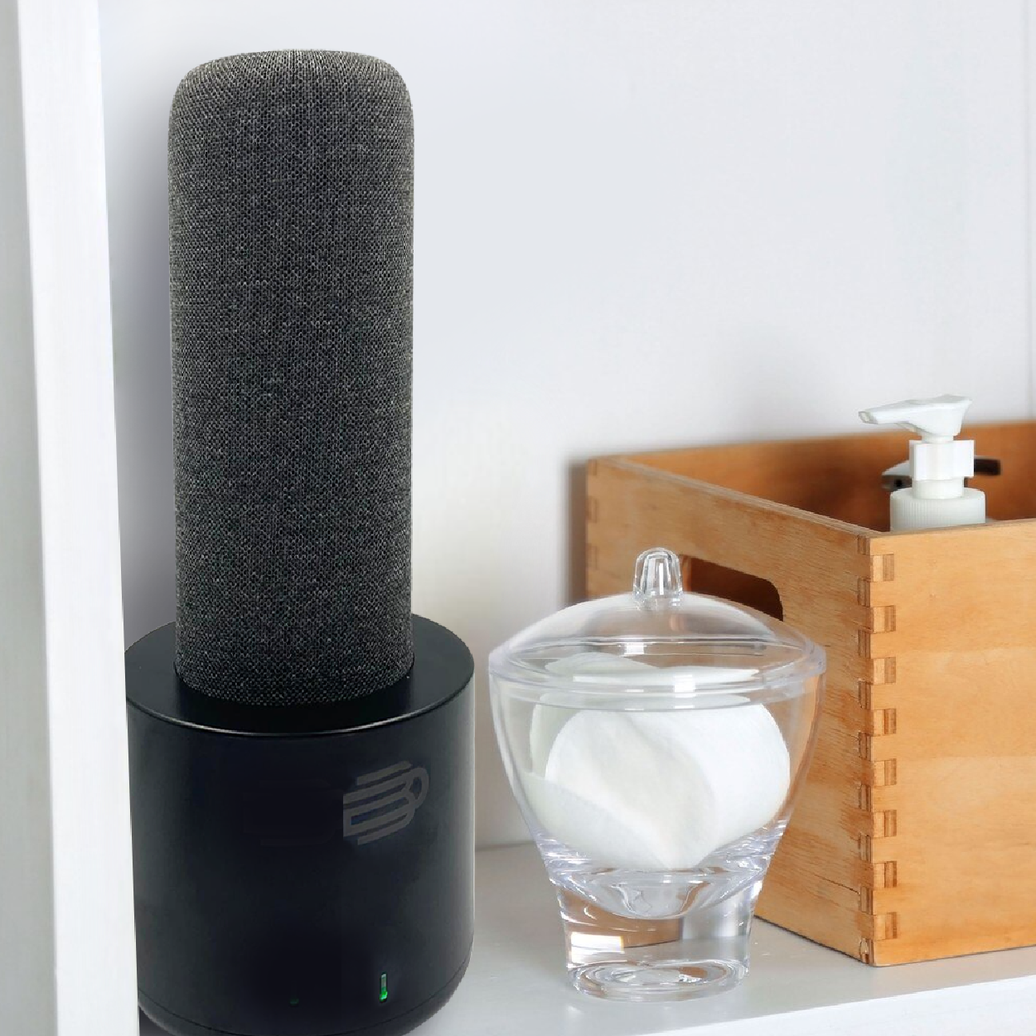
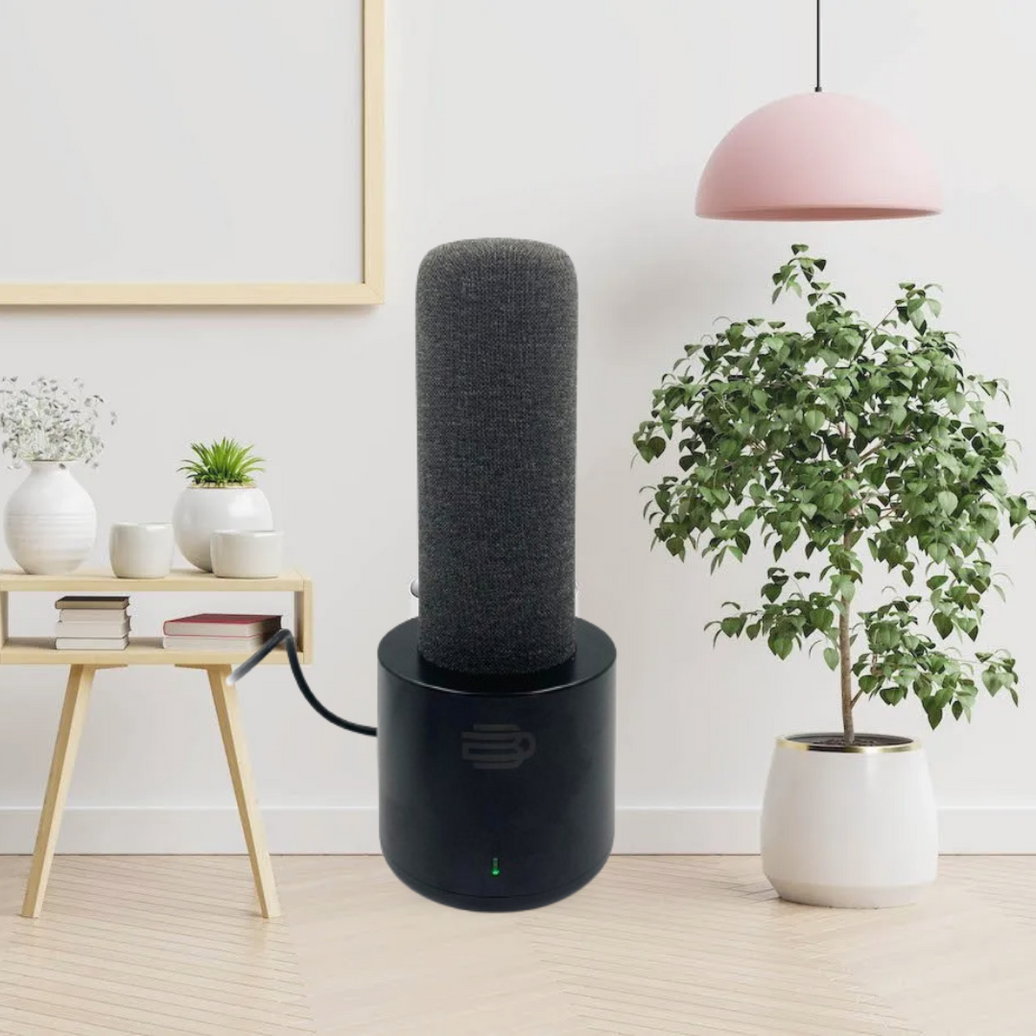
For a more effective and lasting fix, you need something that actively manages humidity on an ongoing basis. This is exactly the gap that DryBox was designed to address. The DryBox AirDry Closet Dehumidifier is purpose-built for wardrobes and enclosed spaces in high-humidity climates — compact enough to sit on any shelf, and designed to maintain optimal humidity levels continuously, even through Singapore's wettest monsoon months. Unlike passive desiccants that get saturated and stop working, an active unit runs consistently and adapts to changing conditions throughout the year.
Step 5: Use Baking Soda or Activated Charcoal as a Supplementary Aid
Baking soda and activated charcoal both absorb odours reasonably well. Place an open container on a wardrobe shelf as a supplementary measure alongside your moisture-control solution. These won't solve a humidity problem on their own, but they help keep the air smelling fresh in the interim. Activated charcoal bags are widely available at Shopee, Lazada, and most home stores in Singapore.
Step 6: Store Clothes and Items Correctly
- Never store damp clothes — always ensure garments are completely dry before putting them away, especially if air-dried indoors
- Use breathable fabric storage bags rather than sealed plastic, which traps moisture
- Replace cardboard shoe boxes with clear plastic boxes, which don't absorb moisture
- Leave space between garments — don't pack the wardrobe so tightly that air can't move
- Store leather goods with silica gel packets and check them monthly during the monsoon season
Step 7: Monitor Humidity Levels

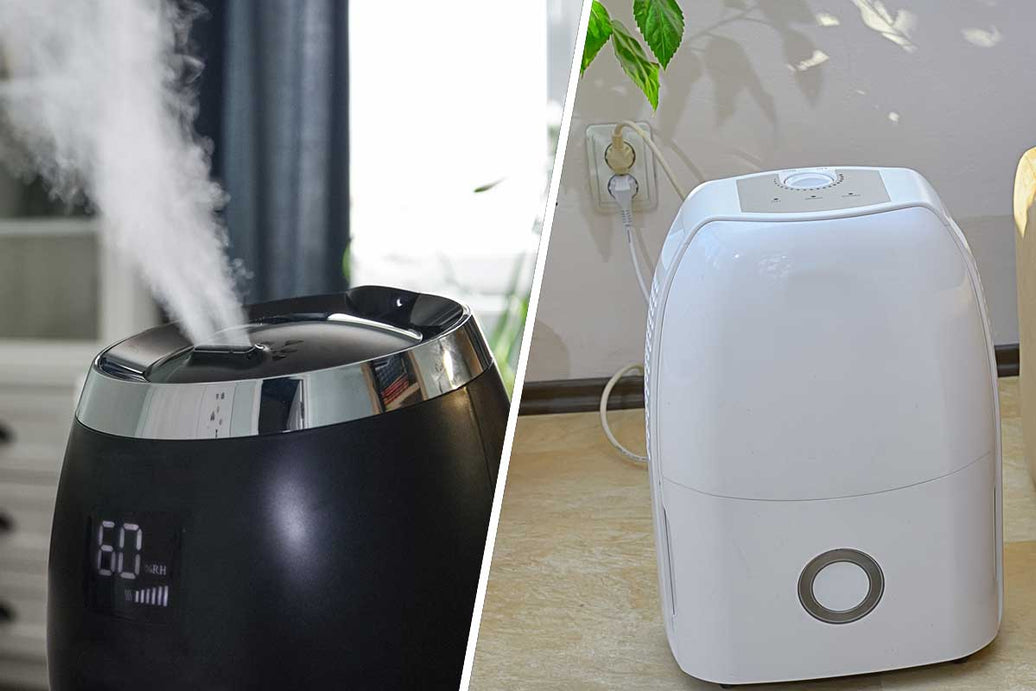
A small digital hygrometer (humidity monitor) is an inexpensive and surprisingly useful tool — available for under S$10 on Shopee. Place one inside your wardrobe. The ideal range is 40–55% relative humidity. If it's regularly sitting above 60%, you need active moisture control. Once you can see the numbers, you can act before the smell — or mould — ever appears.
How to Prevent a Musty Wardrobe Long-Term in Singapore
Fixing the problem once is satisfying. Making sure it doesn't come back is what actually protects your wardrobe.
Keep humidity consistently low. In Singapore, this isn't optional — it's essential. A single monsoon season can undo months of careful storage. Passive solutions like desiccant sachets have their limits and need constant attention. An active moisture-management approach — like what the DryBox AirDry unit is built to provide — works continuously without requiring you to remember to replace or recharge anything.
Run the aircon regularly. Air conditioning dehumidifies as well as cools. If your bedroom aircon runs regularly, it helps keep ambient humidity lower — which in turn helps your wardrobe. Just be mindful that the rapid temperature shift when you turn it off can cause brief condensation inside enclosed spaces.
Clean your wardrobe every few months. Singapore's climate means you don't get a natural "airing out" season the way temperate climates do. Build a habit of wiping down wardrobe surfaces every 3 months and checking stored items — particularly leather goods — for early signs of mould.
Don't overfill your wardrobe. Overpacking reduces airflow and creates pockets where humid air stagnates. If your wardrobe is consistently overloaded, consider a declutter or look at additional storage solutions.
Address underlying structural issues. If you're in an older HDB flat and notice persistent condensation or dampness on the wardrobe wall, it may point to a waterproofing issue in the wall behind it — worth checking with your building management or an HDB-licensed contractor.
Quick-Reference: Musty Wardrobe Fixes at a Glance
| Problem | Quick Fix | Long-Term Solution |
|---|---|---|
| Damp clothes smell | Rewash with vinegar | Always fully dry before storing |
| Mould on surfaces | Vinegar/bleach wipe-down | Control humidity below 55% |
| Mould on leather goods | Vinegar wipe + condition | Store with silica gel, monitor regularly |
| Stale, enclosed air | Leave door ajar with aircon on | Louvred doors or circulation fan |
| High humidity | Desiccant sachets (temporary) | Active closet dehumidifier |
| General musty odour | Activated charcoal | Address root moisture cause |
Final Thoughts
In Singapore, a musty wardrobe isn't a sign that you're doing something wrong — it's a sign that the climate is doing what it does. The real mistake is treating it as a smell problem when it's actually a moisture problem.
Start by understanding where the moisture is coming from. Clean and treat what's already been affected. Then put a long-term solution in place. Your wardrobe — and your wardrobe — will thank you.
Living in Singapore's humidity and tired of the constant battle? The DryBox AirDry Closet Dehumidifier is designed for exactly this climate — built to maintain ideal wardrobe humidity all year round, without the hassle of constant refills or replacements. Stay tuned for the launch.