How to Store 3D Printer Filaments Properly: Why a Dry Cabinet Is the Best Storage Solution
Introduction: Why Filament Storage Matters More Than You Think

If you own a 3D printer, you probably spend time choosing the right filament colour, material and print settings. But one thing many users overlook is how the filament is stored when it is not being used.
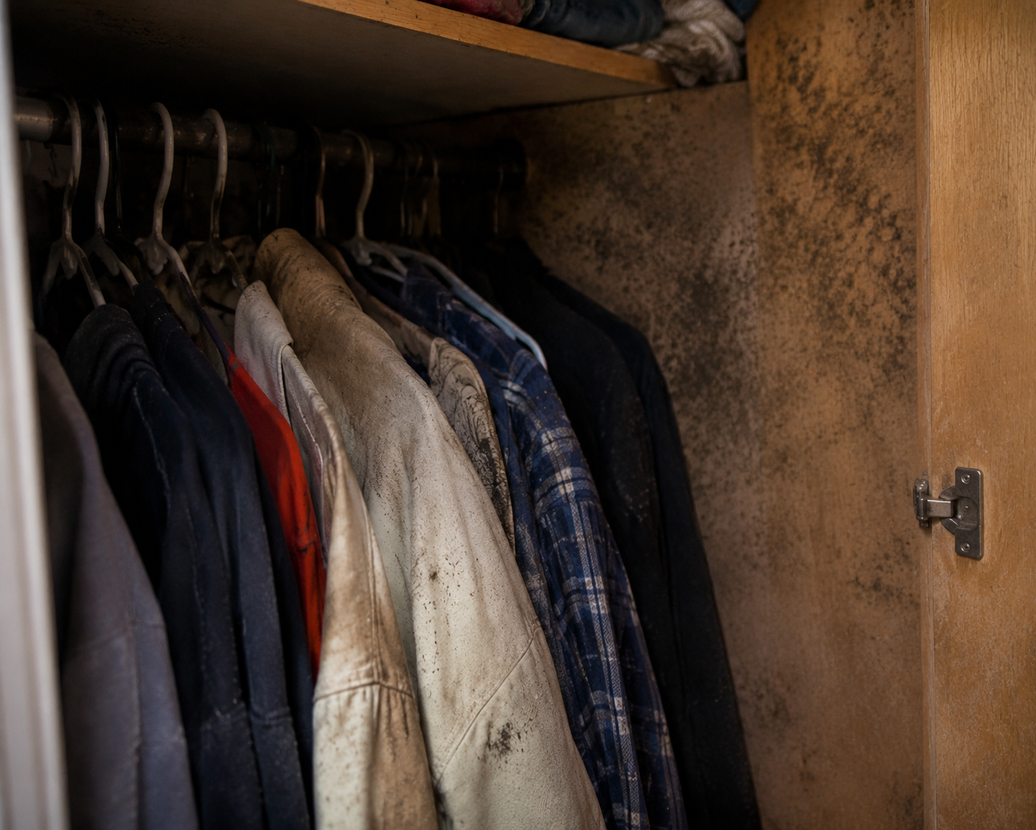
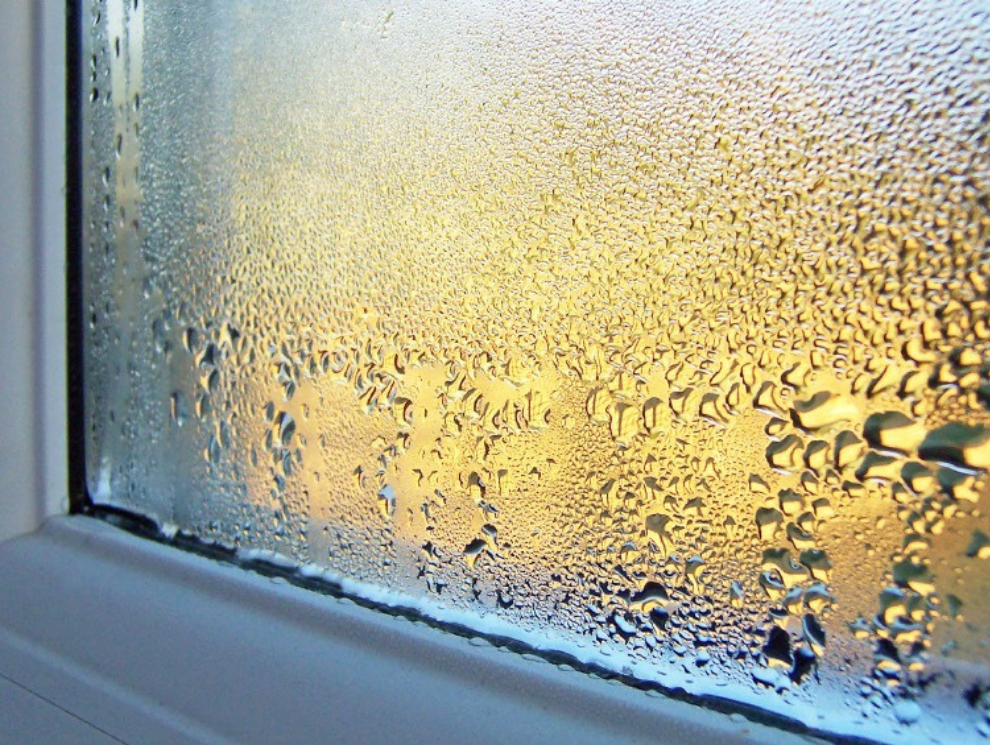
3D printer filaments may look solid and simple, but many of them can absorb moisture from the air. This is especially important in humid environments, where opened filament spools can be affected faster than expected. Once moisture enters the filament, it can lead to poor print quality, failed prints and wasted material.
That is why proper filament storage is not just an extra step. It is an important part of keeping your 3D printing results consistent.
A dry cabinet is one of the most reliable ways to store 3D printer filaments because it helps maintain a controlled low-humidity environment. Instead of leaving your filament exposed on a table, shelf or open printer rack, you can keep it protected, organised and ready for your next print.
Whether you are a beginner, student, hobby maker, designer, engineer or business user, storing your filament properly can make a big difference in print quality.
What Are 3D Printer Filaments?

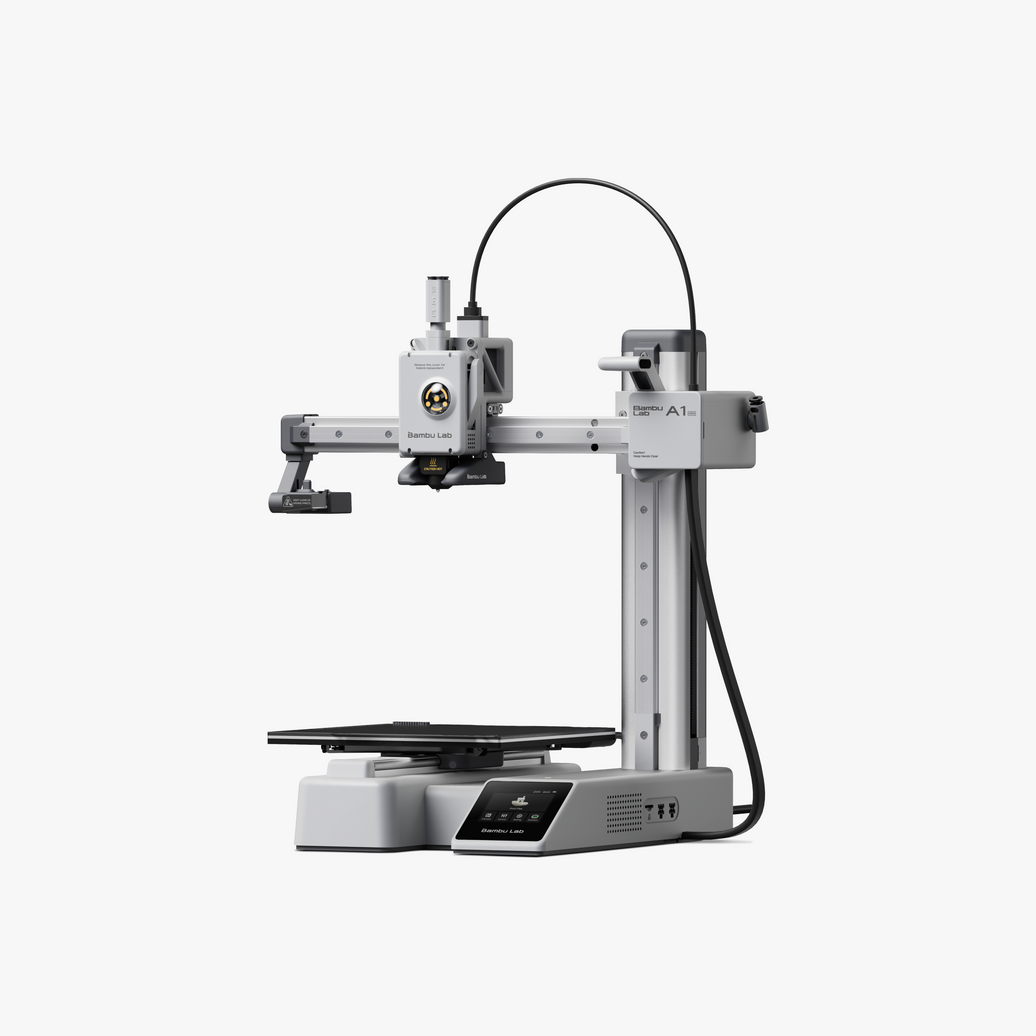
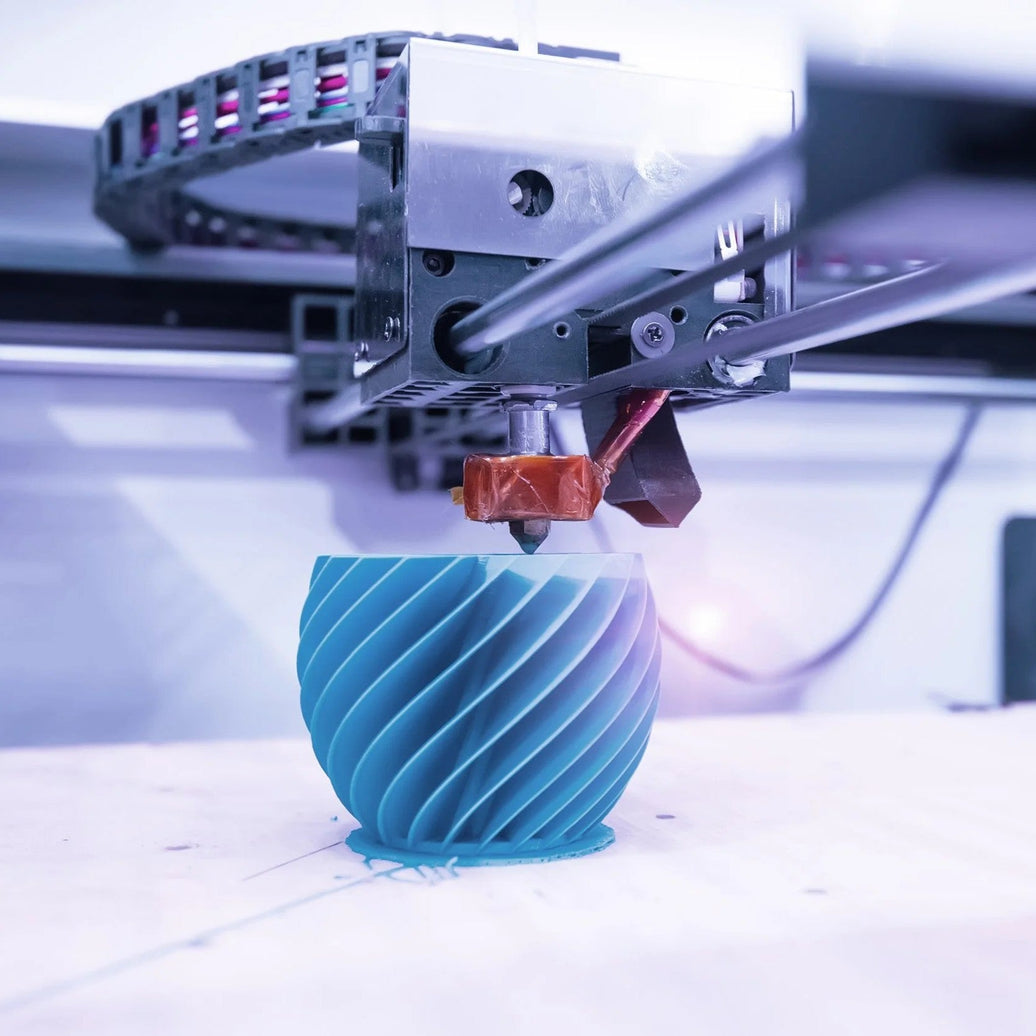
3D printer filament is the material used by FDM 3D printers to build objects layer by layer. The filament is usually wound on a spool and fed into the printer. The printer then heats the filament, melts it through a nozzle, and deposits it onto the print bed to create the final object.
Common 3D printer filaments include:
-
PLA
-
PETG
-
ABS
-
TPU
-
Nylon
-
PVA
-
PC
-
Carbon fibre-filled filament
-
Wood-filled filament
-
Silk and matte specialty PLA
Each filament type has different characteristics. Some are easier to print, some are stronger, some are flexible, and some are designed for special finishes or engineering applications.
However, many filaments share one common weakness: they can be affected by moisture.
Why Moisture Is a Problem for 3D Printer Filaments

Moisture in the air can slowly enter the filament, especially once the packaging has been opened. When the filament absorbs moisture, it may still look normal from the outside, but the printing performance can change.
During printing, the filament is heated to high temperatures. Any moisture trapped inside the filament can turn into steam as it passes through the hot nozzle. This can cause small bubbles, uneven flow and weak bonding between layers.
You may notice problems such as:
-
Popping or crackling sounds during printing
-
Stringing between printed sections
-
Rough or uneven surface texture
-
Small bubbles or gaps in the print
-
Weak layer adhesion
-
Brittle or inconsistent prints
-
Nozzle clogging
-
Failed prints
-
Poor final appearance
Sometimes users think the issue is caused by printer settings, nozzle temperature or bed levelling. While those can be factors, wet filament is also a common reason behind poor print results.
This is why dry storage is important. If the filament is protected from humidity, it has a better chance of printing smoothly and consistently.
Which Filaments Need Dry Storage?
Almost all filaments benefit from proper storage, but some materials are more sensitive to moisture than others.
PLA Filament

PLA is one of the most common and beginner-friendly 3D printing materials. It is easy to print, has low warping and is available in many colours and finishes.
Although PLA is not the most moisture-sensitive filament, it can still absorb moisture over time. If PLA is left open for too long, print quality may become less smooth, and the filament may become more brittle.
PLA should be stored in a dry place when not in use, especially if you keep multiple opened spools.
PETG Filament

PETG is stronger and more durable than PLA. It is often used for functional parts, holders, brackets and practical prints.
PETG can absorb moisture more noticeably than PLA. Wet PETG may cause stringing, bubbles and rough surfaces. If you print with PETG regularly, dry cabinet storage can help maintain more consistent results.
ABS Filament

ABS is known for toughness and heat resistance. It is used for stronger parts, enclosures and more demanding prints.
ABS should still be stored properly to prevent moisture-related issues. Although ABS printing also depends on temperature control and ventilation, dry storage helps keep the material in better condition before printing.
TPU Filament

TPU is a flexible filament used for rubber-like prints such as phone cases, protective covers, flexible joints and anti-slip parts.
TPU can absorb moisture, and wet TPU may become difficult to print smoothly. Because TPU is already more challenging to print than PLA, keeping it dry is important for better feeding and extrusion.
Nylon and Engineering Filaments

Nylon is highly moisture-sensitive and should be stored carefully. If nylon absorbs moisture, it can quickly affect print quality and strength.
Engineering filaments such as PC, PVA, carbon fibre-filled filaments and other specialty materials also benefit from controlled dry storage. These materials are often more expensive, so protecting them from humidity helps reduce waste.
How a Dry Cabinet Helps Protect 3D Printer Filaments

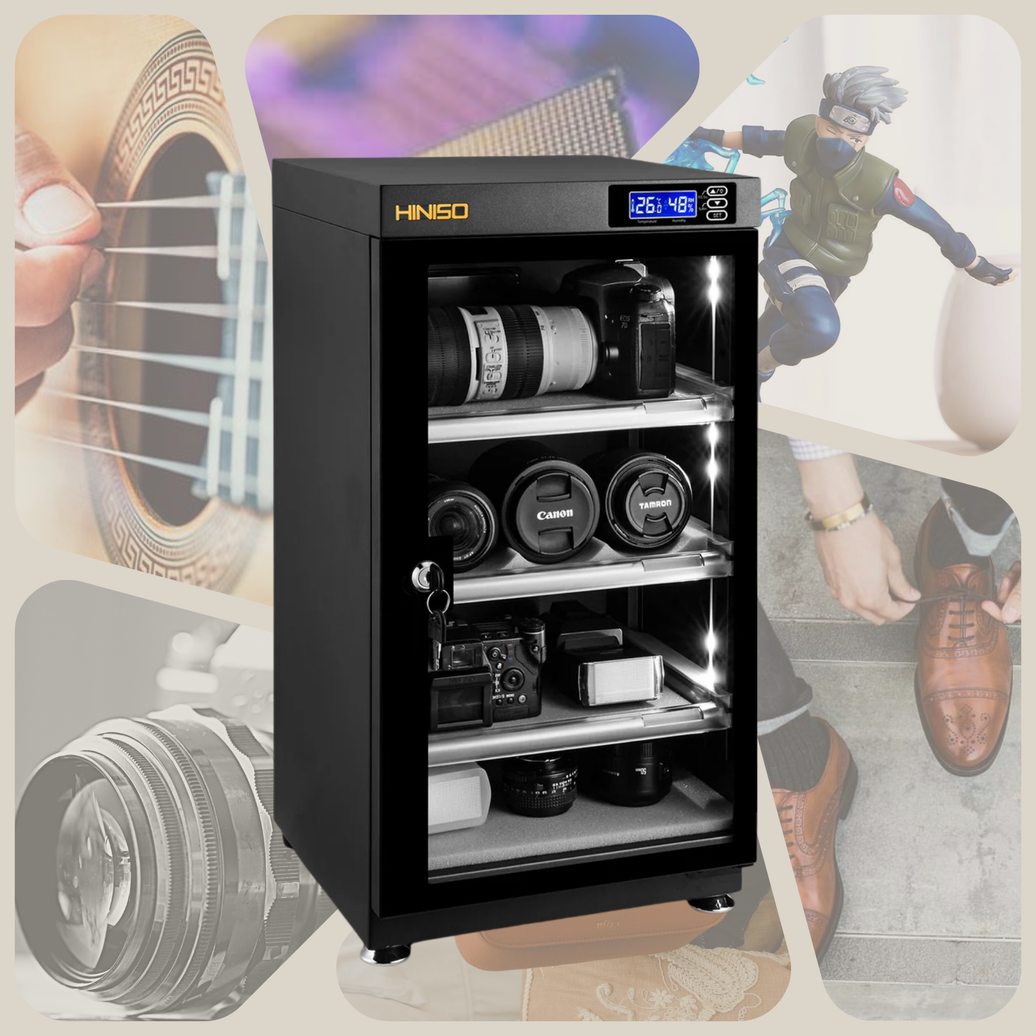
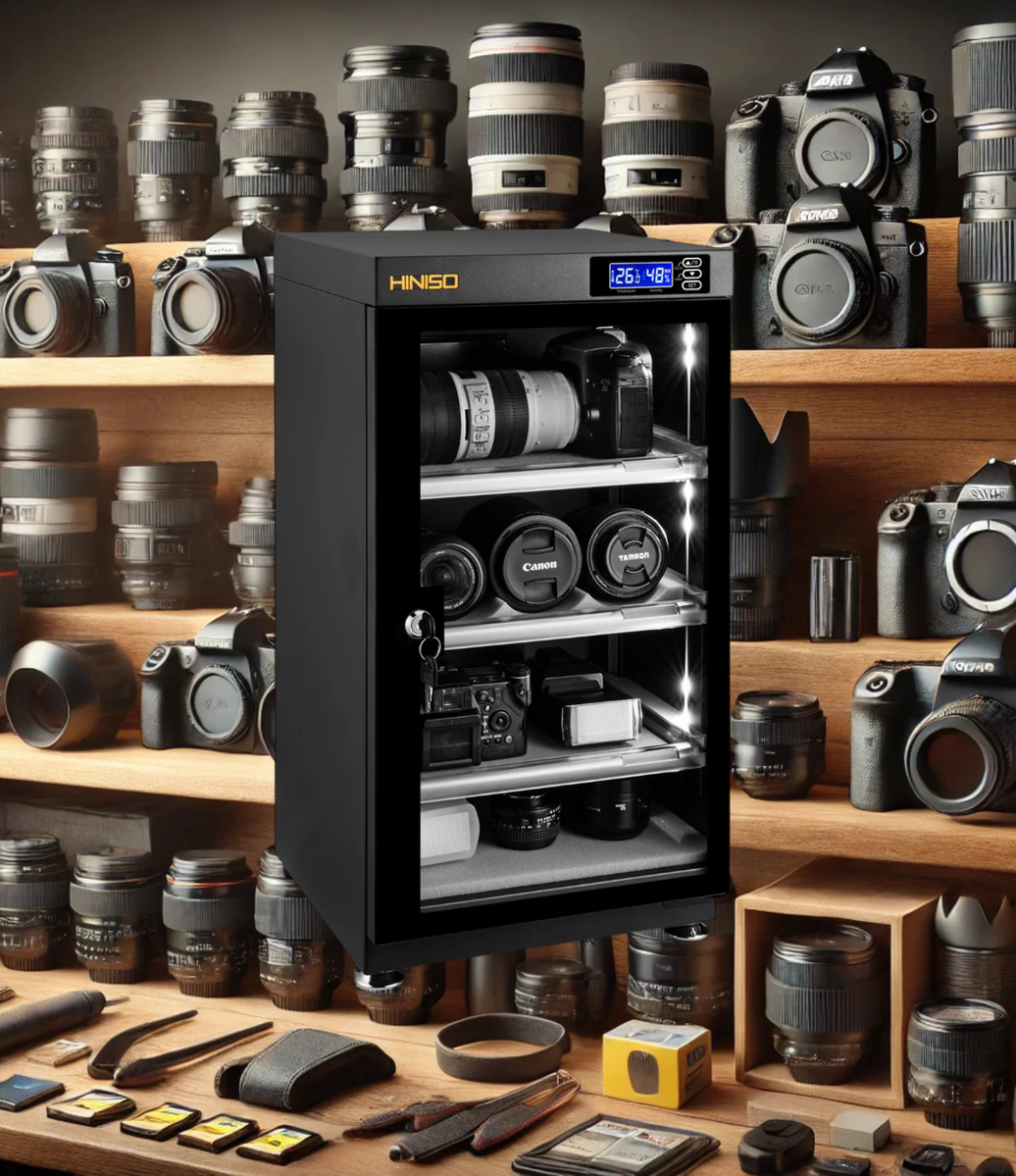
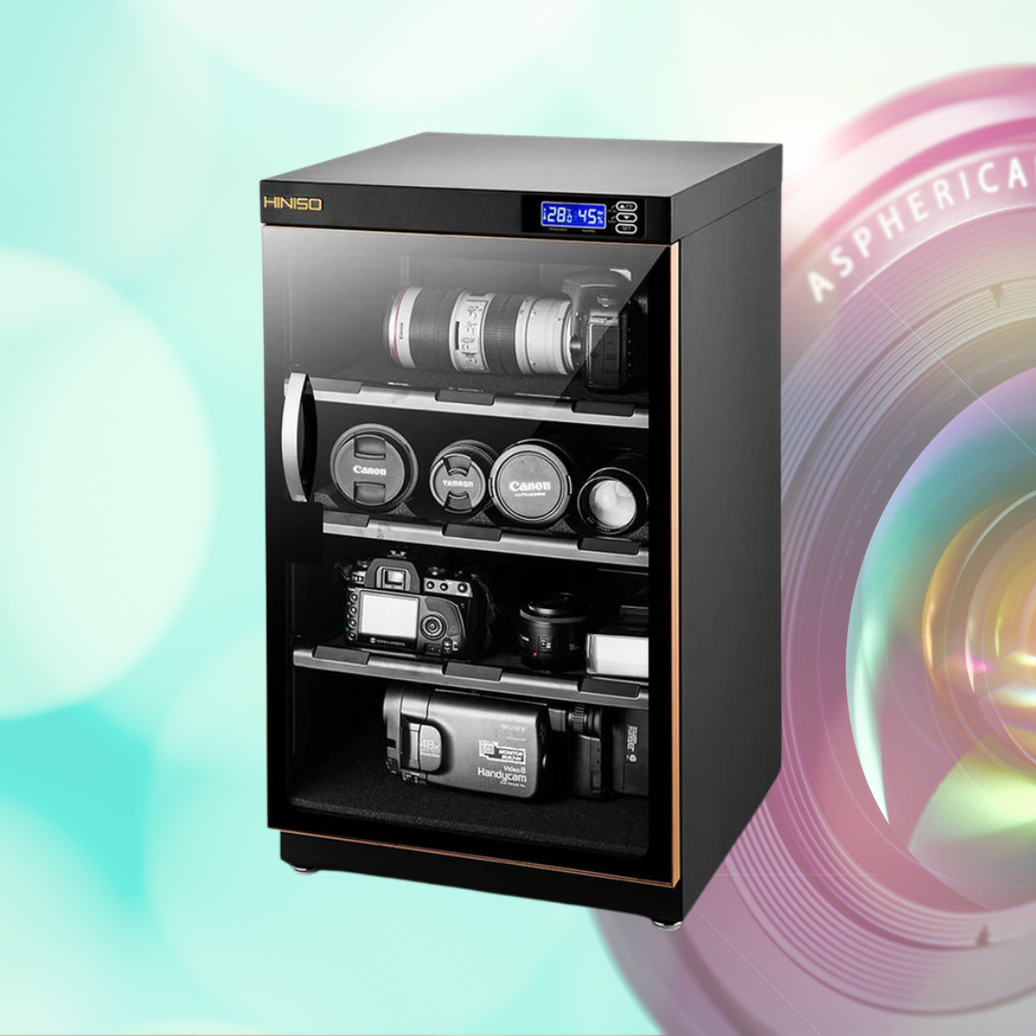
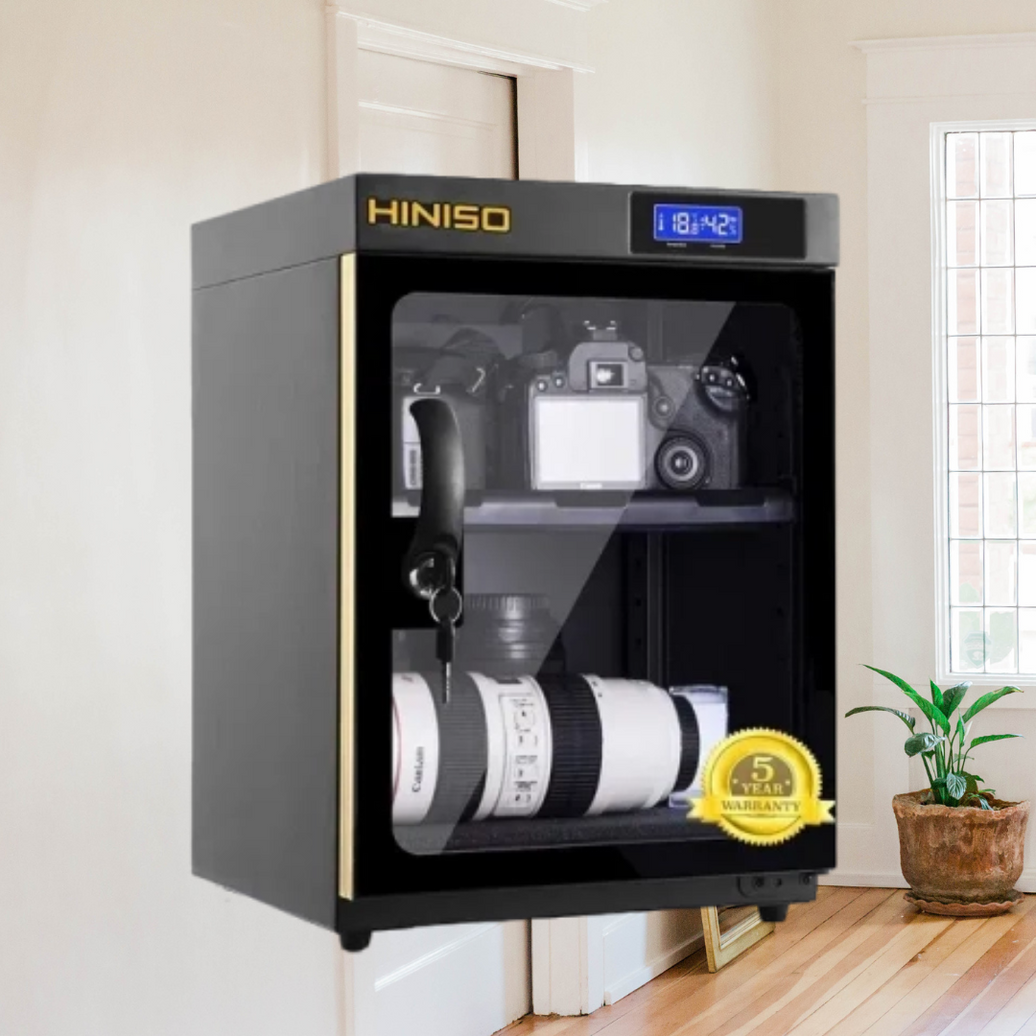
A dry cabinet is designed to maintain a low-humidity environment inside the cabinet. This makes it ideal for storing items that are sensitive to moisture, including camera equipment, electronics, documents and 3D printer filaments.
For 3D printing users, a dry cabinet helps keep filament spools dry when they are not being used. This reduces the chance of moisture entering the filament and helps maintain better print performance.
Using a dry cabinet for filament storage can help:
-
Protect opened filament spools from humidity
-
Reduce failed prints caused by wet filament
-
Improve print surface quality
-
Maintain better layer adhesion
-
Keep filament organised by type and colour
-
Extend the usable life of filament
-
Protect expensive specialty filaments
-
Reduce waste from damaged or poor-quality prints
A dry cabinet is especially useful if you live in a humid climate or if your workspace does not have air conditioning running all the time.
Best Humidity Level for Storing 3D Printer Filaments
The ideal humidity level depends on the type of filament. For general storage, many common filaments can be kept around 30% to 40% RH. More moisture-sensitive materials may require lower humidity.
Here is a simple guide:
| Filament Type | Suggested Storage RH |
|---|---|
| PLA | Around 30%–40% RH |
| PETG | Around 30%–40% RH |
| ABS | Around 30%–40% RH |
| TPU | Around 25%–35% RH |
| Nylon | Around 15%–25% RH |
| PVA | Around 15%–25% RH |
| PC | Around 20%–30% RH |
| Carbon Fibre-Filled Filament | Around 20%–30% RH |
For most users storing PLA, PETG, ABS and TPU, a dry cabinet set around 30%–40% RH is a practical range. For nylon, PVA and engineering materials, lower RH storage is recommended where possible.
Always check the filament manufacturer’s recommendation if available, especially for technical-grade materials.
How to Store Filament Inside a Dry Cabinet
Storing 3D printer filament inside a dry cabinet is simple, but a few good habits can help you get better results.
First, place the filament spools neatly inside the dry cabinet. Avoid squeezing too many spools together, as proper spacing allows air to circulate more evenly inside the cabinet.
If you have different filament types, arrange them by material. For example, keep PLA together, PETG together and TPU together. You can also organise by colour or project use.
For better filament management, label each spool with:
-
Filament type
-
Colour
-
Brand
-
Nozzle temperature range
-
Date opened
-
Project purpose
This makes it easier to select the right filament when you are ready to print.
It is also a good habit to return the filament to the dry cabinet immediately after use. Avoid leaving opened spools on the table for long periods, especially overnight or during rainy weather.
Can You Store Opened Filament in a Dry Cabinet?
Yes, a dry cabinet is especially useful for opened filament spools. Once the original vacuum packaging is opened, the filament is exposed to room humidity. Even if the spool is not used often, it can slowly absorb moisture from the surrounding air.
By storing opened filament in a dry cabinet, you give it a safer storage environment between prints. This is helpful for users who own multiple colours or materials but do not finish every spool quickly.
For example, you may open a red PLA spool for one project, a black PETG spool for another, and a flexible TPU spool for a special print. Without proper storage, all these opened spools may sit exposed for weeks or months. A dry cabinet helps keep them protected until the next time you need them.
Can You Print Directly From a Dry Cabinet?
Some 3D printing users set up their filament so it can feed directly from the dry cabinet into the 3D printer. This is useful for long prints or moisture-sensitive materials because the filament remains protected during printing.
This setup is especially helpful for:
-
Long overnight prints
-
PETG prints
-
TPU prints
-
Nylon prints
-
PVA support material
-
Expensive specialty filament
-
Humid workspaces
If you want to print directly from a dry cabinet, make sure the filament path is smooth. The filament should not bend too sharply or rub against sharp edges. A clean feeding path helps avoid tangling, snapping or under-extrusion.
For many users, even if they do not print directly from the cabinet, simply storing filament inside the cabinet before and after printing already provides strong benefits.
Dry Cabinet vs Silica Gel Storage Box
Many people store filament in plastic containers with silica gel. This can work for basic storage, especially for users with only a few spools. However, it requires regular checking and replacement or recharging of the silica gel.
A dry cabinet is more convenient because it actively controls the humidity level inside the cabinet. It also provides better organisation and easier access to multiple spools.
Plastic Box with Silica Gel

Good for:
-
Short-term storage
-
Small number of spools
-
Budget storage setup
-
Occasional users
Limitations:
-
Silica gel needs replacement or recharging
-
Humidity control may not be consistent
-
Harder to organise many spools
-
May not be ideal for very humid environments
Dry Cabinet
Good for:
-
Long-term filament storage
-
Multiple filament spools
-
Frequent printing
-
Humid environments
-
Specialty or expensive filaments
-
Cleaner and more organised workspace
A dry cabinet is a better solution if you print often, own many filament rolls, or want a more reliable storage method.
How to Know If Your Filament Has Absorbed Moisture

Sometimes it is not obvious that filament has absorbed moisture until you start printing. However, there are a few warning signs to look out for.
Your filament may be wet if:
-
You hear popping sounds from the nozzle
-
The print has excessive stringing
-
The surface looks rough or bubbly
-
The filament breaks more easily than before
-
The print feels weaker
-
The nozzle clogs more often
-
Your usual print settings suddenly produce poor results
If this happens, drying the filament may help. However, prevention is better than fixing the problem later. Keeping filament in a dry cabinet helps reduce the chances of moisture problems happening in the first place.
Why Dry Cabinet Storage Is Useful in Humid Countries
In humid countries, filament storage is even more important. High humidity in the air means opened filament can absorb moisture faster, especially if the spool is left outside for long periods.
For home users, humidity may increase when windows are open, during rainy days, or in rooms without air conditioning. For workshops and schools, filaments may be shared by many users and left exposed between printing sessions.
A dry cabinet helps solve this by giving your filament a dedicated storage space with controlled humidity. This is useful for:
-
Homes
-
Schools
-
Design studios
-
Engineering labs
-
Maker spaces
-
Print farms
-
Small businesses
-
Hobby workshops
Instead of worrying whether your filament has been exposed to moisture, you can keep your spools stored in one place and ready to use.
What Else Can You Store With Your Filaments?
Besides filament spools, a dry cabinet can also be used to store other 3D printing-related items that should be kept clean and dry.
You can store:
-
Spare nozzles
-
Print bed sheets
-
Small tools
-
Electronic parts
-
Sensors
-
Resin bottles, if suitable and safely sealed
-
Adhesives or accessories, depending on manufacturer storage advice
-
Project parts
-
Camera or electronics equipment
Keeping your 3D printing items in one dry and organised space makes your workflow cleaner and easier.
Tips to Keep Your Filament in Good Condition
To get the best results from your filament, follow these simple storage tips:
-
Store opened spools in a dry cabinet when not in use.
-
Keep the cabinet door closed as much as possible.
-
Do not leave filament exposed overnight.
-
Label each spool after opening.
-
Check the humidity display regularly.
-
Keep different filament types organised.
-
Avoid placing wet or dusty items inside the cabinet.
-
Use older opened spools first.
-
Store moisture-sensitive materials at lower RH when possible.
-
Keep filament away from direct sunlight and heat.
These habits can help your filament last longer and print more consistently.
Is a Dry Cabinet Worth It for 3D Printer Filament?
If you only print once in a while with one spool of PLA, basic storage may be enough. But if you own several filaments, print often, or use PETG, TPU, nylon or specialty materials, a dry cabinet is a smart investment.
A dry cabinet helps protect the money you have already spent on filament. It also helps reduce failed prints, which saves time and material.
For businesses, schools and makerspaces, the benefits are even clearer. When many users share the same filament supply, proper storage helps maintain quality and prevents unnecessary waste.
For serious 3D printing users, a dry cabinet is not just a storage box. It is part of a better printing setup.